
Mold Inspection Services in Pompano Beach After Plumbing Leaks: Warning Signs and Prevention Tips
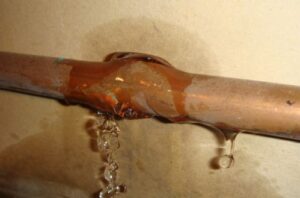
Pompano Beach, Florida, is a vibrant coastal city known for its sunny weather, beautiful beaches, and bustling residential neighborhoods. While the city offers an ideal living environment, the tropical climate and coastal conditions also create a unique set of challenges for homeowners. One of the most common and serious issues affecting residential properties in Pompano Beach is mold growth due to plumbing leaks.
Even minor leaks can cause moisture accumulation behind walls, under floors, or within ceilings, providing the perfect environment for mold. If left untreated, mold can lead to health problems, structural damage, and costly repairs. Early detection through professional mold inspection services is essential to protect both the home and its occupants.
This guide explains why mold inspections are critical after plumbing leaks, identifies warning signs of mold, outlines the inspection process, and provides prevention tips for homeowners in Pompano Beach.
1. Understanding Mold and Its Risks
Mold is a type of fungus that grows in warm, damp, and poorly ventilated environments. It can spread rapidly, especially in areas affected by water leaks.
1.1 Health Risks
Exposure to mold can cause a wide range of health issues, particularly for children, the elderly, and people with respiratory conditions:
- Allergic reactions: sneezing, runny nose, itchy eyes, and skin irritation.
- Respiratory problems: coughing, wheezing, asthma attacks, and sinus infections.
- Chronic fatigue and headaches in some sensitive individuals.
- Infections in immunocompromised individuals when exposed to toxic molds such as black mold (Stachybotrys chartarum).
1.2 Structural Risks
- Mold feeds on building materials such as drywall, wood, and insulation, weakening the structure.
- Persistent moisture can compromise walls, floors, and ceilings, leading to warping, sagging, and rot.
- Mold can spread to HVAC systems, plumbing fixtures, and electrical components, posing additional safety risks.
1.3 Financial Implications
- Homes with mold issues often lose market value, as buyers are wary of remediation costs.
- Delayed detection can result in expensive repairs, including replacement of drywall, flooring, and insulation.
- Insurance may cover damage caused by sudden plumbing failures but may exclude mold caused by long-term leaks.
2. Why Plumbing Leaks Cause Mold in Pompano Beach
Pompano Beach homes are particularly vulnerable to mold growth due to plumbing leaks. Even small leaks can create moisture-rich environments hidden from plain view.
2.1 Common Causes of Plumbing Leaks
- Aging pipes: Corrosion or wear in old plumbing increases the likelihood of leaks.
- Loose or faulty fittings: Over time, plumbing joints can loosen, allowing water to escape.
- Clogged drains: Excess pressure in the plumbing system may lead to pipe cracks or leaks.
- Appliance malfunctions: Water heaters, washing machines, and dishwashers can leak and introduce moisture.
- Hidden leaks behind walls or under floors: These leaks are often unnoticed until mold appears.
2.2 Coastal Climate Factors
- High humidity accelerates water absorption into walls, floors, and insulation, creating conditions favorable for mold.
- Occasional flooding or heavy rain can exacerbate plumbing issues and contribute to secondary water damage.
3. Warning Signs of Mold After Plumbing Leaks
Early detection of mold is essential to prevent widespread damage. Homeowners should watch for:
3.1 Visible Mold
- Mold often appears as black, green, brown, or white spots on walls, ceilings, or floors.
- Porous materials like drywall, carpet, and insulation are particularly susceptible.
3.2 Musty Odors
- A persistent musty smell often indicates hidden mold, even if it is not visible.
- Odors may intensify in damp areas such as bathrooms, basements, or laundry rooms.
3.3 Water Stains and Discoloration
- Yellow, brown, or dark patches on walls or ceilings may indicate previous leaks.
- Bubbling or peeling paint or wallpaper can also signal moisture intrusion.
3.4 Warping or Sagging Surfaces
- Wood floors, baseboards, and cabinetry may warp, swell, or buckle when exposed to prolonged moisture.
- Sagging ceilings or walls indicate that water has infiltrated structural components.
3.5 Health Symptoms
- Frequent allergic reactions or respiratory issues among residents may point to hidden mold.
- Children or elderly residents are particularly sensitive to mold exposure.
3.6 Condensation or Moisture Accumulation
- Condensation on windows, pipes, or HVAC units may indicate high humidity or hidden leaks.
- Damp or wet insulation in attics or crawlspaces can foster mold growth.
4. The Importance of Professional Mold Inspection
Professional mold inspection is critical after a plumbing leak for several reasons:
4.1 Accurate Detection
- Mold often grows behind walls, under floors, or inside ceilings, making it invisible to homeowners.
- Inspectors use moisture meters, thermal imaging, and air sampling to identify hidden mold.
4.2 Identifying the Type of Mold
- Not all mold is equally hazardous. Some species, such as black mold, are toxic and require specialized handling.
- Testing helps determine species, concentration, and appropriate remediation methods.
4.3 Health Protection
- Professionals take precautions to contain mold spores during inspection, preventing further spread.
- Air and surface testing ensures that indoor air quality is safe for occupants.
4.4 Prevention of Structural Damage
- Early inspection allows for prompt water damage repair and mold remediation, protecting the home’s structure.
- Preventive measures reduce the risk of costly repairs later.
4.5 Documentation and Compliance
- Inspection reports provide evidence for insurance claims, real estate transactions, or legal matters.
- Homeowners receive a detailed assessment with recommended remediation steps and preventive measures.
5. Mold Inspection Process After Plumbing Leaks
Professional mold inspection typically involves a systematic approach:
Step 1: Initial Assessment
- Inspect visible areas, including walls, ceilings, floors, bathrooms, and laundry rooms.
- Identify recent or ongoing water leaks and areas with high humidity.
Step 2: Moisture Detection
- Use moisture meters and thermal imaging to locate hidden leaks behind walls or under flooring.
- Identify areas where water has penetrated structural materials.
Step 3: Air Sampling
- Collect air samples to measure spore counts and indoor air quality.
- Compare indoor and outdoor samples to determine abnormal mold levels.
Step 4: Surface Sampling
- Swab or tape samples of walls, floors, and ceilings help identify mold species.
- Determine whether mold is toxic or non-toxic.
Step 5: Laboratory Analysis
- Certified labs analyze samples to confirm mold type, concentration, and potential toxicity.
Step 6: Reporting and Recommendations
- Homeowners receive a detailed report highlighting mold locations, affected areas, and recommended remediation strategies.
- Recommendations may include removal of mold, structural repairs, HVAC cleaning, and moisture prevention steps.
6. Prevention Tips After Plumbing Leaks
Preventing future mold growth is just as important as remediation. Homeowners in Pompano Beach should follow these strategies:
6.1 Prompt Leak Repair
- Address any plumbing leaks immediately to prevent moisture accumulation.
- Regularly inspect pipes, water heaters, faucets, and appliances for leaks.
6.2 Moisture Control
- Use dehumidifiers in damp areas like basements, bathrooms, and laundry rooms.
- Maintain indoor humidity between 40–50%.
6.3 Proper Ventilation
- Ensure adequate airflow in bathrooms, kitchens, attics, and crawlspaces.
- Use exhaust fans and ceiling fans to reduce moisture buildup.
6.4 HVAC Maintenance
- Clean HVAC ducts, coils, and condensate lines regularly.
- Replace air filters every 1–3 months.
6.5 Mold-Resistant Materials
- Consider mold-resistant drywall, insulation, and paint in areas prone to moisture.
- These materials reduce the likelihood of mold reoccurrence.
6.6 Regular Inspections
- Schedule annual or bi-annual mold inspections to catch hidden growth early.
- Monitor high-risk areas after heavy rains, hurricanes, or plumbing repairs.
6.7 Proper Drainage and Landscaping
- Ensure water flows away from the home’s foundation.
- Clean gutters and downspouts regularly to prevent water accumulation near the home.
7. Case Study: Mold Inspection in a Pompano Beach Home
A homeowner noticed musty odors in the kitchen and bathroom after a minor leak from a dishwasher. Professional inspection revealed:
- Hidden mold behind drywall under the kitchen sink.
- Elevated humidity in the bathroom due to inadequate ventilation.
- Minor mold on bathroom walls caused by condensation.
Remediation included:
- Repairing the dishwasher leak and improving plumbing seals.
- Removing mold-infested drywall and cleaning affected surfaces.
- Installing a bathroom exhaust fan and dehumidifier.
- Conducting post-remediation testing to ensure the home was mold-free.
Outcome: The home’s indoor air quality improved, structural damage was minimized, and residents’ health risks were reduced.
8. Conclusion
Mold growth after plumbing leaks is a serious concern for residential homes in Pompano Beach. High humidity, tropical storms, and hidden leaks create ideal conditions for mold, which can compromise both health and property.
Professional mold inspection services are essential for early detection, accurate assessment, and safe remediation. By recognizing warning signs such as musty odors, water stains, visible mold, and warped surfaces, homeowners can take proactive steps to protect their homes.
Implementing preventive measures—such as prompt leak repair, humidity control, proper ventilation, HVAC maintenance, and regular inspections—ensures that mold problems are minimized, indoor air quality is maintained, and structural integrity is preserved.
For homeowners in Pompano Beach, investing in mold inspection and prevention strategies is an essential step toward maintaining a safe, healthy, and comfortable home in the coastal environment.
