
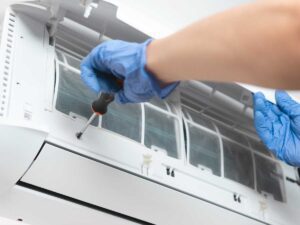
How Black Mold Removal Helps Homes in Fort Lauderdale from AC Condensation
Fort Lauderdale, Florida, is renowned for its tropical climate, coastal beauty, and year-round warmth. While the area’s climate is ideal for outdoor living, it creates a challenge for homeowners: high humidity and frequent moisture. One often-overlooked source of indoor moisture is air conditioning systems. AC units are essential for cooling homes, but if not properly maintained, they can produce condensation that fosters black mold growth.
Black mold, or Stachybotrys chartarum, is particularly dangerous because it produces mycotoxins that pose serious health risks. When it develops inside homes, it can compromise indoor air quality, structural integrity, and occupant health. This article explores why black mold removal is critical for Fort Lauderdale homes affected by AC condensation, outlines the risks associated with black mold, explains the removal process, and provides preventive measures to keep homes safe and healthy.
1. Understanding Black Mold and AC Condensation
1.1 What Is Black Mold?
Black mold is a type of fungus that thrives in warm, damp, and poorly ventilated environments. It is often found on porous surfaces, such as:
- Drywall
- Wood
- Ceiling tiles
- Insulation
Unlike surface dust or mildew, black mold produces mycotoxins, which can be inhaled or ingested, leading to health problems. Black mold often grows hidden behind walls or within HVAC systems, making early detection difficult.
1.2 How AC Systems Contribute to Mold Growth
Air conditioning systems remove heat from homes by cooling indoor air, which often leads to condensation on AC coils and drain pans. If condensation is not properly managed:
- Water can accumulate in the drain pan or ductwork.
- Leaks or clogs in the drainage system can allow water to spill into ceilings, walls, or floors.
- High humidity in duct systems can create a breeding ground for black mold spores.
Fort Lauderdale homes are especially at risk due to tropical humidity, frequent rain, and AC units that run for long periods throughout the year.
2. Risks of Black Mold in Homes
Black mold can pose serious risks if left untreated, affecting both health and property.
2.1 Health Risks
- Respiratory Issues: Exposure to black mold spores can trigger coughing, wheezing, and asthma attacks.
- Allergic Reactions: Sneezing, itchy eyes, runny nose, and skin irritation are common.
- Toxic Effects: Prolonged exposure to mycotoxins may lead to fatigue, headaches, dizziness, and immune system suppression.
- Sensitive Populations at Risk: Children, the elderly, and immunocompromised individuals are particularly vulnerable.
2.2 Property Damage
- Mold feeds on wood, drywall, insulation, and carpet, weakening structural components.
- Hidden mold in ductwork can spread throughout the home, contaminating multiple rooms.
- Persistent moisture and mold growth can reduce property value and increase repair costs.
2.3 Reduced Indoor Air Quality
- Black mold spores circulate through the air, especially when dispersed by HVAC systems.
- Poor indoor air quality can worsen allergies, asthma, and other respiratory conditions.
3. Signs of Mold Growth From AC Condensation
Homeowners should be aware of warning signs that indicate black mold growth in their homes:
3.1 Musty Odors
- A persistent, earthy smell, often strongest near vents or AC units, indicates moisture and mold presence.
3.2 Visible Mold
- Black or green spots on walls, ceilings, baseboards, or around AC units suggest mold growth.
3.3 Water Damage or Stains
- Yellow or brown stains on ceilings, walls, or floors can indicate AC condensation leaks.
3.4 Health Symptoms
- Family members experiencing unexplained allergies, coughing, or respiratory discomfort may be exposed to mold spores.
3.5 HVAC System Issues
- Reduced airflow, unusual sounds, or moisture accumulation in ductwork can indicate AC-related mold problems.
4. Professional Black Mold Removal Process
Proper mold removal requires professional intervention to ensure safe and complete eradication. The process generally includes several key steps:
4.1 Inspection and Assessment
- Professionals inspect the home to locate mold growth in walls, ceilings, and ductwork.
- Moisture meters, thermal imaging, and visual inspection tools identify hidden mold and water sources.
4.2 Containment
- Affected areas are sealed to prevent mold spores from spreading to other parts of the home.
- Negative air pressure and HEPA filters are often used to capture airborne spores during removal.
4.3 Mold Removal
- Mold-contaminated materials, such as drywall, insulation, or wood, are removed and safely disposed of.
- Non-porous surfaces are cleaned with antimicrobial solutions to eliminate mold colonies.
4.4 AC System Cleaning
- Ductwork, vents, coils, and drain pans are cleaned to remove mold and prevent recurrence.
- Any clogged or malfunctioning drain lines are repaired or replaced.
4.5 Moisture Control
- Dehumidifiers are used to lower indoor humidity.
- Proper ventilation and AC maintenance prevent future mold growth.
4.6 Post-Remediation Testing
- Air quality testing ensures that spore levels have returned to safe limits.
- Homeowners receive documentation confirming that the property is safe for occupancy.
5. Benefits of Professional Mold Removal From AC Condensation
Removing black mold from AC systems provides multiple benefits:
5.1 Improved Health
- Reduces exposure to allergens, spores, and mycotoxins.
- Improves respiratory health and overall comfort for occupants.
5.2 Enhanced Structural Integrity
- Prevents damage to walls, ceilings, ductwork, and insulation.
- Protects the long-term value of the home.
5.3 Better Indoor Air Quality
- Clean ducts and AC systems circulate fresh, healthy air.
- Eliminates musty odors caused by mold and dampness.
5.4 Energy Efficiency
- Mold-free AC systems operate more efficiently.
- Improves airflow and reduces energy costs.
5.5 Peace of Mind
- Homeowners can enjoy confidence that their property is safe, clean, and free of hazardous mold.
6. Preventive Measures for AC-Related Mold
Prevention is key to avoiding black mold problems in Fort Lauderdale homes. Homeowners can adopt the following strategies:
6.1 Regular AC Maintenance
- Schedule annual inspections and cleanings of coils, ducts, drain pans, and vents.
- Ensure that condensate drain lines are clear and functioning properly.
6.2 Control Indoor Humidity
- Use dehumidifiers or AC systems with humidity control features to maintain indoor levels between 40–50%.
- Avoid running AC systems at extremely low temperatures that encourage condensation.
6.3 Monitor for Leaks
- Inspect AC units, pipes, and vents for water accumulation or leaks.
- Repair or replace damaged components promptly.
6.4 Improve Ventilation
- Ensure that areas around the AC system and vents have adequate airflow.
- Use exhaust fans in bathrooms and kitchens to reduce moisture.
6.5 Use Mold-Resistant Materials
- Consider mold-resistant drywall, insulation, and paint in areas prone to moisture.
- Prevents mold from establishing in high-risk locations.
6.6 Educate Household Members
- Encourage residents to report musty odors, water stains, or AC issues promptly.
- Early detection allows for faster intervention.
7. Case Study: Black Mold Removal in a Fort Lauderdale Home
A Fort Lauderdale homeowner reported musty odors and allergy symptoms in the living area. Inspection revealed:
- Black mold growing inside ductwork and around the AC drain pan.
- Condensation buildup due to a partially clogged drain line.
- Elevated humidity levels in the home during the rainy season.
The professional remediation process included:
- Containment of affected areas with HEPA filtration.
- Cleaning and removal of mold from ductwork and AC components.
- Repair of the AC drain line and installation of a dehumidifier.
- Post-remediation testing confirming safe air quality.
Outcome: The home was free of black mold, indoor air quality improved, and AC efficiency was restored. Occupants reported relief from allergy symptoms and musty odors.
8. Conclusion
Black mold growth from AC condensation is a serious concern for Fort Lauderdale homes, particularly in a humid, tropical environment. It can cause health risks, structural damage, poor indoor air quality, and financial loss.
Professional black mold removal ensures safe, thorough, and long-lasting remediation. By combining inspection, mold removal, AC system cleaning, moisture control, and post-remediation testing, homeowners can protect their property and family from the dangers of mold.
Preventive measures—including regular AC maintenance, humidity control, ventilation improvements, leak monitoring, and mold-resistant materials—help reduce the risk of mold recurrence.
Investing in professional mold removal and preventive maintenance not only safeguards health but also preserves property value, improves indoor comfort, and enhances energy efficiency, making it a crucial component of responsible homeownership in Fort Lauderdale.
