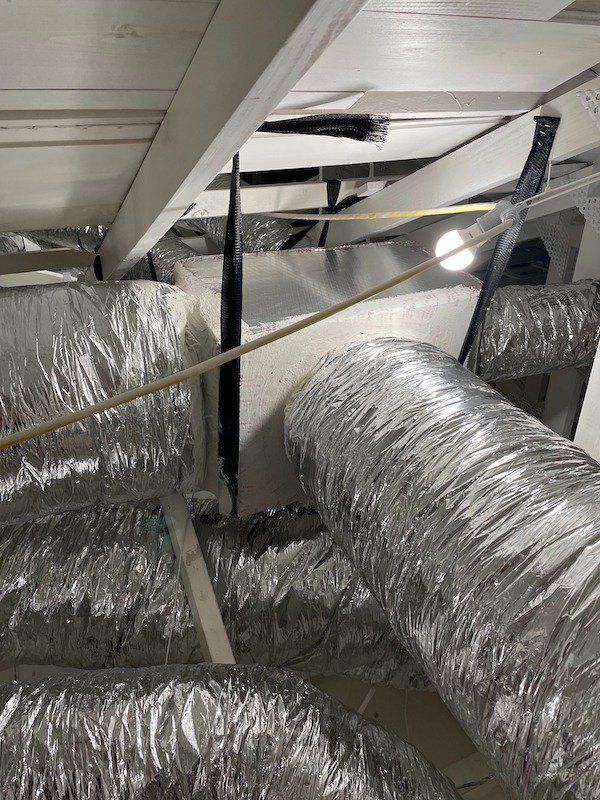
Understanding Duct Cleaning in Lighthouse Point: How to Prevent Future Damage
Living in Lighthouse Point means enjoying coastal breezes, warm temperatures, and beautiful neighborhoods—but it also means dealing with humidity nearly year-round. That moisture doesn’t just affect roofs, windows, or walls. It often finds its way into HVAC systems and air ducts, where it can quietly cause problems long before homeowners notice anything unusual.
Duct cleaning is often misunderstood. Many property owners assume it’s only about dust or air quality, but in South Florida, it plays a much bigger role. Clean, dry ducts help prevent moisture buildup, reduce the chance of mold growth, and protect HVAC systems from premature wear.
Understanding how duct systems are affected by local conditions—and how proper cleaning helps prevent damage—can save homeowners in Lighthouse Point and nearby communities from expensive repairs later.
What Duct Cleaning Actually Involves
Air ducts move cooled or heated air throughout a home. Over time, these ducts collect dust, small debris, moisture, and sometimes biological growth. In humid climates like Broward County, moisture is often the biggest concern.
Professional duct cleaning involves:
- Inspecting duct interiors for buildup or moisture
- Removing debris and contaminants
- Checking vents, returns, and air handlers
- Identifying early warning signs of mold or condensation problems
This process is not just cosmetic. It helps ensure that airflow remains efficient and that hidden moisture does not become a larger issue.
Why Duct Problems Are So Common in Lighthouse Point
Several local factors contribute to duct contamination and moisture buildup.
High Humidity Year-Round
Even when there is no visible water intrusion, humidity levels remain elevated in Lighthouse Point. Air conditioning systems remove some moisture, but condensation can still form inside ductwork, especially if insulation is damaged or airflow is restricted.
Frequent Storms and Rain
Heavy rains can increase indoor humidity and sometimes lead to roof or attic moisture. When ducts run through attics, this moisture can affect them directly.
Continuous AC Operation
Air conditioners run for long periods in South Florida. That constant operation produces condensation, and if drainage or insulation is not functioning properly, moisture can accumulate in the duct system.
Coastal Air Conditions
Salt air and damp conditions near the coast can accelerate wear on metal components and insulation, increasing the risk of deterioration over time.
These conditions make duct maintenance far more important than in drier climates.
Common Signs Homeowners Notice
Duct issues often develop gradually, but certain warning signs should not be ignored:
- Musty or stale odors when the AC runs
- Uneven airflow between rooms
- Visible dust around vents
- Higher energy bills without a clear cause
- Increased indoor humidity
Sometimes homeowners in Lighthouse Point or Deerfield Beach notice these signs after heavy rains or seasonal storms. In other cases, symptoms appear slowly over months.
Hidden or Overlooked Sources of Duct Damage
Not all duct problems are obvious. Some of the most common causes remain out of sight.
Attic Moisture
Ducts running through attics are exposed to heat and humidity. Small roof leaks or poor ventilation can increase moisture levels around ductwork.
Poor Insulation
Damaged or missing insulation allows warm air to contact cooler duct surfaces, creating condensation.
Drain Line Issues
Clogged AC drain lines can cause water to back up, increasing humidity around HVAC components.
Minor Leaks
Small plumbing leaks or condensation near duct routes can raise moisture levels without obvious flooding.
These overlooked sources are frequently identified during professional inspections in Lighthouse Point and surrounding areas like Coconut Creek and Margate.
Why DIY Duct Cleaning Usually Falls Short
Some homeowners attempt to clean vents themselves using household tools. While cleaning vent covers is helpful, it rarely addresses deeper issues inside the duct system.
DIY cleaning typically:
- Reaches only the first few inches of ductwork
- Cannot remove deeply embedded debris
- Does not identify moisture problems
- Misses insulation or airflow issues
Without proper equipment, it is difficult to remove buildup effectively or detect early signs of mold growth.
Professional Duct Cleaning and Inspection Explained
Professional duct cleaning is more thorough and includes inspection as well as cleaning.
A typical process may involve:
- Inspecting ducts and air handler components
- Checking for condensation or moisture patterns
- Removing debris using specialized equipment
- Evaluating airflow and ventilation
- Identifying areas that may need repair or sealing
Technicians familiar with South Florida homes understand how humidity, storms, and AC usage affect duct systems. Companies such as Pompano Mold Inspection and Testing often see recurring patterns in coastal communities like Lighthouse Point and Lauderdale-by-the-Sea, where humidity and attic conditions play a major role.
Proper Mold Prevention and Remediation in Duct Systems
If mold is discovered in ducts, cleaning alone may not be enough. Proper remediation may include:
- Removing contaminated insulation
- Cleaning and sanitizing affected areas
- Addressing moisture sources
- Improving ventilation or sealing ducts
The key is correcting the underlying moisture issue. Without that step, mold can return even after cleaning.
Water Damage and Flood Effects on Ductwork
Flooding or water intrusion can affect duct systems in ways that are not immediately visible.
Water damage may cause:
- Saturated insulation
- Corrosion in metal ducts
- Debris buildup inside ducts
- Increased humidity levels throughout the system
Homes in Fort Lauderdale and North Lauderdale that experience storm-related flooding often require duct inspection as part of overall restoration. Ignoring ducts during repairs can allow moisture to remain trapped inside the system.
The Role of Air Conditioning Systems in Duct Health
HVAC systems and ducts function together, and problems in one often affect the other.
Key factors include:
- Proper drainage of condensation
- Clean evaporator coils
- Adequate airflow
- Balanced humidity levels
Regular maintenance helps prevent moisture from accumulating inside the system and reduces strain on equipment.
How to Prevent Future Duct Damage in Lighthouse Point Homes
Preventing duct problems is often easier and less expensive than repairing them later.
Practical steps include:
- Scheduling regular HVAC maintenance
- Replacing air filters consistently
- Keeping attic spaces ventilated
- Monitoring indoor humidity levels
- Inspecting ducts after heavy storms
Property managers in Deerfield Beach and Margate often include duct inspections as part of seasonal maintenance routines to avoid unexpected problems.
Why Local Experience Matters
Homes in Lighthouse Point are built with specific climate challenges in mind, but even well-constructed homes are affected by humidity and coastal weather over time.
Professionals who regularly work in Broward County understand:
- Common attic ventilation issues
- Typical condensation patterns
- Effects of seasonal storms
- Construction styles used in local neighborhoods
This local knowledge helps identify problems earlier and recommend solutions that work in South Florida conditions.
A Calm, Practical Next Step
Duct cleaning is not something most homeowners think about until a problem appears. But in humid coastal areas like Lighthouse Point, regular inspection and cleaning can prevent future damage, improve efficiency, and protect indoor air quality.
If musty odors, uneven airflow, or increased humidity have started to appear, it may be worth having ducts inspected. Many homeowners in Lighthouse Point and nearby communities choose periodic inspections from experienced local providers such as Pompano Mold Inspection and Testing to stay ahead of moisture-related issues and maintain a healthier home environment.