
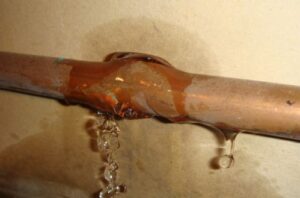
Water Leak Detection Services in Margate After Flooding: Understanding the Process
Margate, Florida, is a vibrant city known for its residential communities, lush landscapes, and proximity to waterways. While the area offers an excellent quality of life, it is also prone to heavy rainfall, tropical storms, and occasional flooding, which can create serious risks for property owners. One of the most pressing concerns following flooding events is water leaks. Even small, hidden leaks can lead to structural damage, mold growth, electrical hazards, and costly repairs.
Water leaks after flooding are often not immediately visible. They may occur behind walls, under flooring, inside ceilings, or beneath foundations. Without timely detection, these leaks can worsen over time, compromising the safety, comfort, and value of a home or commercial property. Professional water leak detection services are essential for identifying hidden leaks, assessing the extent of water intrusion, and implementing effective solutions.
This guide provides a comprehensive overview for homeowners and property owners in Margate, covering the importance of leak detection after flooding, signs of water leaks, detection methods, associated risks, and preventive strategies.
1. Why Water Leak Detection Matters After Flooding
Flooding introduces significant amounts of water into homes and commercial buildings. While visible water can often be cleaned up quickly, residual moisture can linger in hidden spaces, creating a breeding ground for mold, bacteria, and structural deterioration.
1.1 Prevent Structural Damage
- Water can weaken wooden beams, drywall, flooring, and insulation, compromising the stability of the building.
- Prolonged moisture exposure can lead to warping, rotting, and sagging, resulting in costly repairs.
1.2 Prevent Mold Growth
- Moist, damp environments encourage mold and mildew development, which can appear within 24–48 hours of water exposure.
- Mold not only damages building materials but also poses serious health risks, particularly in households with children, elderly residents, or individuals with respiratory issues.
1.3 Protect Indoor Air Quality
- Leaks can create high-humidity zones, which may circulate mold spores, bacteria, and allergens throughout the home.
- Maintaining proper moisture levels helps preserve healthy air quality.
1.4 Avoid Electrical Hazards
- Water leaking near electrical wiring, outlets, or appliances can create short circuits, electrocution risks, or fires.
- Leak detection helps prevent hazardous situations and ensures household safety.
1.5 Financial Protection
- Early leak detection prevents long-term damage, reducing repair costs and preserving property value.
- Insurance claims are easier to process when professional reports document water damage and remediation efforts.
2. Common Causes of Water Leaks After Flooding
Water leaks after flooding may result from various sources, some of which are immediately apparent, while others are hidden. Understanding the common causes helps homeowners address leaks effectively.
2.1 Roof and Gutter Damage
- Heavy rain, strong winds, and storm surges can damage shingles, flashing, and gutters, allowing water to penetrate the roof.
- Roof leaks often manifest as ceiling stains or sagging areas but may be hidden until significant water accumulates.
2.2 Window and Door Leaks
- Improperly sealed windows and doors can allow stormwater intrusion.
- Wind-driven rain can force water through gaps, causing hidden leaks in walls or floors.
2.3 Plumbing Failures
- Flooding can stress plumbing systems, loosening joints or cracking pipes.
- Leaks may appear in basements, under sinks, or behind walls long after the floodwaters have receded.
2.4 Foundation and Crawlspace Issues
- Water accumulation around the foundation or in crawlspaces can seep into walls or floors.
- Improper grading, clogged drains, or hydrostatic pressure can exacerbate leak risks.
2.5 HVAC System Issues
- Air conditioning units and ductwork may accumulate condensation during storms.
- Moisture in HVAC systems can lead to hidden leaks, reduced efficiency, and mold growth.
3. Risks Associated With Undetected Water Leaks
Failure to identify leaks after flooding can have serious consequences for both health and property.
3.1 Health Risks
- Mold exposure can trigger respiratory issues, allergies, and asthma attacks.
- Standing water may harbor bacteria and other pathogens, increasing the risk of illness.
3.2 Structural Damage
- Prolonged water exposure can weaken wood, drywall, insulation, and flooring, causing sagging ceilings, warped floors, and wall deterioration.
- Foundation cracks may develop if moisture persists, leading to long-term stability issues.
3.3 Electrical Hazards
- Water near electrical systems increases the risk of short circuits, fires, and electrocution.
3.4 Financial Implications
- Unaddressed leaks can escalate into major repairs, including mold remediation, structural restoration, and plumbing replacement.
- Insurance may not cover damage resulting from neglected leaks or delayed intervention.
4. Signs of Water Leaks After Flooding
Homeowners should monitor their property for early warning signs of leaks:
4.1 Visible Water Damage
- Stains, discoloration, peeling paint, or warped flooring indicate potential leaks.
- Water pooling in basements, crawlspaces, or attics is a clear indicator.
4.2 Musty Odors
- Persistent earthy smells often signal hidden water accumulation and potential mold growth.
4.3 Increased Humidity
- Excess condensation on windows, walls, or pipes may indicate lingering moisture from leaks.
- Damp areas in basements, crawlspaces, or attics should be investigated.
4.4 Unexplained Mold Growth
- Mold may appear behind walls, under flooring, or around plumbing fixtures.
- Black or green spots often indicate prolonged moisture exposure.
4.5 Plumbing or Appliance Issues
- Reduced water pressure, dripping faucets, or leaks under sinks may indicate storm-related plumbing damage.
5. Water Leak Detection Methods
Professional water leak detection involves a combination of techniques to locate hidden leaks accurately.
5.1 Visual Inspection
- Technicians inspect walls, ceilings, floors, plumbing systems, and appliances for visible signs of water intrusion.
5.2 Moisture Meters
- Moisture meters detect hidden moisture levels in walls, floors, insulation, and ceilings.
5.3 Thermal Imaging
- Infrared cameras identify temperature differences caused by water accumulation, revealing leaks behind walls or under floors.
5.4 Acoustic Leak Detection
- Sensitive equipment listens for water movement or pipe leaks, useful for plumbing issues in concealed areas.
5.5 Air Pressure Testing
- Air pressure techniques identify leaks in pressurized plumbing systems.
5.6 Post-Detection Verification
- Once a leak is located and repaired, moisture levels are rechecked to ensure the area is completely dry.
6. Water Leak Repair and Remediation
Once leaks are detected, professional services typically include:
6.1 Source Repair
- Damaged pipes, faucets, valves, roof areas, or drainage systems are repaired or replaced.
6.2 Structural Remediation
- Wet drywall, insulation, and flooring are dried or replaced.
- Walls and ceilings are treated for mold and moisture prevention.
6.3 Dehumidification and Drying
- Industrial dehumidifiers and air movers remove residual moisture.
- Proper drying prevents mold growth and long-term damage.
6.4 Mold Prevention
- Antimicrobial treatments may be applied to prevent mold colonization.
- Post-remediation inspections confirm that moisture levels are within safe limits.
7. Preventive Measures for Water Leak Management
Preventing leaks after flooding is essential for safeguarding homes in Margate:
7.1 Roof and Gutter Maintenance
- Inspect and repair roof shingles, flashing, and gutters regularly.
- Ensure gutters direct water away from the foundation.
7.2 Window and Door Sealing
- Inspect seals, caulking, and weatherstripping.
- Apply waterproof sealants where necessary.
7.3 Plumbing Inspection
- Check all plumbing systems, including water heaters, sinks, and appliances.
- Repair leaks immediately to prevent water accumulation.
7.4 Flood Prevention
- Install sump pumps or backflow valves in basements or crawlspaces.
- Ensure proper grading and landscaping to divert water away from the property.
7.5 HVAC Maintenance
- Inspect ducts and air conditioning units for water accumulation.
- Clean and repair systems to prevent hidden moisture buildup.
7.6 Regular Home Monitoring
- Schedule inspections after storms and floods.
- Use moisture meters and humidity monitors in high-risk areas.
8. Case Study: Water Leak Detection in a Margate Home
A homeowner in Margate experienced musty odors and water stains after heavy flooding. Professional water leak detection revealed:
- A minor roof leak allowing water into the attic.
- Hidden moisture in the ceiling and insulation.
- Plumbing leaks under a kitchen sink contributing to floor dampness.
The solution included:
- Roof repair and sealing of damaged areas.
- Replacement of wet insulation and drywall.
- Plumbing repair to stop leaks under the sink.
- Use of dehumidifiers to dry affected areas.
- Post-repair verification using moisture meters.
Outcome: The home was restored to a safe, dry condition, preventing mold growth and long-term structural damage.
9. Conclusion
Water leaks after flooding are a serious concern for property owners in Margate. They can lead to structural damage, mold growth, health hazards, and financial loss if not addressed promptly.
Professional water leak detection services are essential for identifying hidden leaks, assessing the extent of water intrusion, and implementing effective solutions. Techniques such as visual inspection, moisture meters, thermal imaging, and acoustic leak detection ensure accurate results. Following detection, repairs, structural remediation, dehumidification, and mold prevention help restore homes to a safe condition.
Property owners can also implement preventive measures, including roof and gutter maintenance, plumbing inspections, window sealing, HVAC maintenance, and post-storm monitoring. By combining professional leak detection with preventive strategies, homeowners in Margate can protect their property, maintain indoor air quality, and safeguard the health and safety of occupants.