
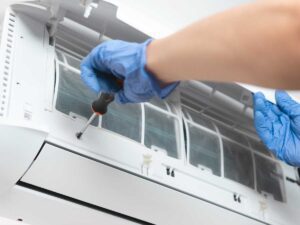
Property Owner Guide to AC Moisture Repair in Lighthouse Point
Lighthouse Point, Florida, is known for its picturesque waterways, coastal living, and tropical climate. While the area offers homeowners a vibrant lifestyle, it also comes with challenges—particularly high humidity, heavy rainfall, and heat, which can affect residential comfort and property safety. One of the most common issues homeowners face in Lighthouse Point is AC moisture problems. Air conditioning systems, essential for cooling homes in Florida, can inadvertently create condensation and moisture buildup, leading to mold growth, water damage, and reduced indoor air quality if not properly managed.
For property owners, understanding AC moisture repair, its causes, consequences, and preventive measures is critical. This guide provides a comprehensive overview of why AC moisture repair matters, how to identify early warning signs, the repair process, and best practices to maintain a safe and healthy home.
1. Understanding AC Moisture Problems
Air conditioners work by removing heat and humidity from indoor air. While this process helps cool a home, it also produces condensation, typically in the form of water droplets on the evaporator coils or in the drain pan. Normally, this water drains safely through the condensate line. However, issues can arise that prevent proper drainage, leading to moisture accumulation.
1.1 How AC Moisture Problems Develop
- Clogged Condensate Drain Lines: Debris, algae, or mold can block drain lines, causing water to back up into the AC unit or home.
- Leaky or Damaged Drain Pans: Old or cracked drain pans can allow water to overflow and damage surrounding materials.
- Dirty Coils or Filters: Blocked airflow can increase condensation and cause water to drip in unintended areas.
- High Indoor Humidity: Florida’s tropical climate can overwhelm AC systems, leading to excess moisture indoors.
- Improper Installation: Poorly positioned units or drainage pipes can result in water leaks and pooling.
1.2 Consequences of Ignoring AC Moisture
Unaddressed moisture from AC systems can lead to serious issues:
- Mold and Mildew Growth: Excess moisture provides ideal conditions for mold, which can cause health problems and damage building materials.
- Structural Damage: Water intrusion can warp flooring, ceilings, walls, and wooden structures.
- Reduced Indoor Air Quality: Moist AC systems circulate humid air and mold spores, affecting respiratory health.
- AC System Damage: Moisture can cause corrosion, reduce efficiency, and shorten the lifespan of the unit.
- Increased Energy Costs: An overworked system trying to compensate for excess humidity may consume more energy.
2. Early Signs of AC Moisture Problems
Property owners should regularly inspect their AC units to catch moisture issues early. Common warning signs include:
2.1 Visible Water Leaks
- Water pooling around the AC unit or indoor drip pan.
- Wet spots on walls, ceilings, or flooring near air vents.
2.2 Musty Odors
- Persistent earthy or musty smells indicate mold growth caused by moisture.
2.3 Reduced Cooling Efficiency
- Air conditioner struggles to cool the home effectively.
- Excessive condensation may reduce airflow and efficiency.
2.4 Mold or Mildew Around Vents
- Black or green spots near air vents or registers indicate mold proliferation.
2.5 Unusual Sounds
- Gurgling, dripping, or hissing sounds may indicate water accumulation or blocked drainage.
3. Health and Property Risks
AC moisture problems are not just a maintenance issue—they pose health and safety risks:
3.1 Health Hazards
- Mold exposure can trigger allergies, asthma, coughing, sneezing, and skin irritation.
- Prolonged exposure to black mold may lead to more serious respiratory conditions.
3.2 Property Damage
- Moisture can warp wooden floors, ceilings, baseboards, and furniture.
- Water can damage insulation, drywall, and electrical systems if leaks persist.
3.3 HVAC System Deterioration
- Moisture accelerates rusting and corrosion in AC components.
- System inefficiency increases energy bills and repair costs.
4. Professional AC Moisture Repair Process
Repairing AC moisture issues often requires professional intervention to ensure effective, long-term solutions.
4.1 Inspection and Assessment
- Technicians evaluate the AC system, condensate lines, drain pans, coils, and overall airflow.
- Moisture detection tools identify hidden water accumulation inside ducts, walls, or ceilings.
4.2 Cleaning and Maintenance
- Drain lines and pans are cleaned to remove debris, algae, and mold buildup.
- Coils and filters are cleaned or replaced to improve airflow and reduce condensation.
4.3 Leak Repair and Component Replacement
- Damaged drain pans or pipes are repaired or replaced.
- Seals, insulation, or other components that allow leaks are fixed.
4.4 Mold Remediation
- Any mold growth caused by AC moisture is safely removed using antimicrobial solutions.
- Affected materials may be replaced if contamination is extensive.
4.5 Moisture Control Measures
- Dehumidifiers or humidity-controlling features may be installed to maintain safe indoor moisture levels.
- Proper ventilation ensures effective drying of any residual moisture.
4.6 Post-Repair Verification
- Moisture levels are monitored to ensure the problem is resolved.
- Technicians may conduct indoor air quality tests to confirm mold elimination.
5. Preventive Measures for AC Moisture
Preventing AC moisture problems is easier and more cost-effective than repairing water damage or mold later. Property owners should consider the following strategies:
5.1 Regular AC Maintenance
- Schedule annual inspections and cleanings of coils, filters, and drain lines.
- Remove debris, dirt, and mold from the system before they block drainage.
5.2 Monitor Indoor Humidity
- Use hygrometers to measure humidity levels inside the home.
- Maintain indoor humidity between 40–50% to prevent condensation and mold growth.
5.3 Check for Drainage Issues
- Ensure condensate lines and drain pans are functioning properly and unobstructed.
- Verify that water drains away from walls, ceilings, and flooring.
5.4 Proper AC Operation
- Avoid setting extremely low temperatures that may increase condensation.
- Ensure the system runs consistently without frequent on/off cycles.
5.5 Improve Ventilation
- Use exhaust fans and open windows when weather permits to reduce indoor humidity.
- Proper airflow in attics, crawlspaces, and HVAC systems reduces moisture accumulation.
5.6 Use Mold-Resistant Materials
- Consider installing mold-resistant drywall, insulation, and flooring in areas prone to AC moisture.
6. Benefits of Timely AC Moisture Repair
Repairing AC moisture issues promptly provides numerous advantages:
6.1 Protects Health
- Reduces exposure to allergens, spores, and mycotoxins.
- Improves indoor air quality and respiratory health.
6.2 Preserves Home Structure
- Prevents warping, water damage, and deterioration of flooring, walls, and ceilings.
6.3 Maintains AC Efficiency
- Clean, dry AC systems run more efficiently and use less energy.
- Reduces the risk of costly repairs and extends system lifespan.
6.4 Reduces Financial Risk
- Prevents mold remediation costs and structural repairs caused by prolonged moisture exposure.
6.5 Enhances Comfort
- Eliminates musty odors and dampness caused by AC moisture.
- Provides a healthier, more comfortable living environment.
7. Case Study: AC Moisture Repair in Lighthouse Point
A Lighthouse Point homeowner noticed musty odors, water dripping near the AC unit, and reduced cooling efficiency during the humid summer months. Professional inspection revealed:
- A clogged condensate drain line causing water backup.
- Mold growth in the drain pan and surrounding ductwork.
- High indoor humidity levels exacerbating condensation issues.
The repair process included:
- Cleaning and unclogging the drain line.
- Replacing the damaged drain pan.
- Removing mold from ducts and treating affected areas with antimicrobial solutions.
- Installing a dehumidifier to maintain safe indoor humidity levels.
- Post-repair inspection confirming that moisture and mold issues were resolved.
Outcome: The homeowner reported improved AC efficiency, elimination of musty odors, and a healthier living environment, preventing future water damage and mold growth.
8. Conclusion
AC moisture issues are a common and serious problem for property owners in Lighthouse Point, particularly due to Florida’s humid, tropical climate. Left unchecked, moisture from air conditioning systems can lead to mold growth, structural damage, poor indoor air quality, and increased repair costs.
Early detection is essential. Homeowners should monitor for water leaks, musty odors, reduced AC efficiency, mold near vents, and unusual sounds. Professional AC moisture repair ensures safe remediation, including drain line cleaning, mold removal, coil and filter maintenance, leak repairs, and moisture control.
Preventive strategies—such as regular AC maintenance, humidity monitoring, proper ventilation, mold-resistant materials, and dehumidification—help reduce risks and protect both the home and its occupants.
Timely attention to AC moisture problems provides health benefits, structural protection, improved system efficiency, and peace of mind, making it an essential aspect of responsible property ownership in Lighthouse Point.
