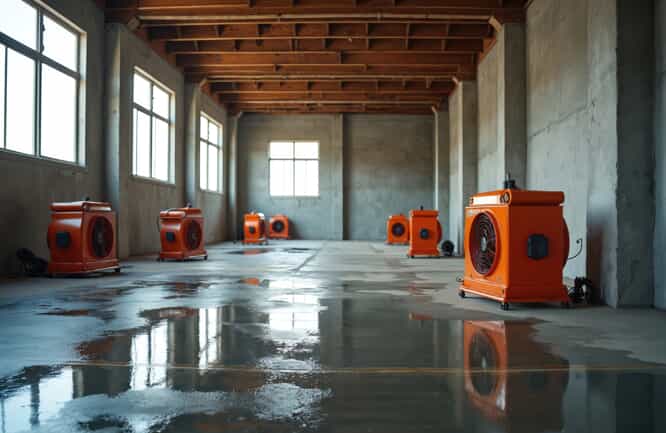
Why Home Moisture Control Matters in Lighthouse Point After Flooding
Flooding is not uncommon in Lighthouse Point, especially during heavy rain, tropical storms, or plumbing emergencies. While standing water is usually removed quickly, the real challenge often begins afterward. Moisture that remains trapped inside walls, flooring, insulation, and air systems can quietly cause long-term damage if it is not properly controlled.
Home moisture control is one of the most important steps in protecting a property after flooding. Managing humidity, drying materials thoroughly, and monitoring hidden moisture helps prevent structural deterioration, indoor air quality problems, and recurring repairs.
What Moisture Control Means After Flooding
Moisture control involves more than drying visible water. After flooding, water often remains trapped in porous materials and enclosed spaces. Even when surfaces feel dry, moisture may still be present deep inside building materials.
Effective moisture control includes:
- Removing excess humidity from indoor air
- Drying structural materials completely
- Identifying hidden moisture pockets
- Improving ventilation and airflow
- Preventing mold growth
These steps help restore normal indoor conditions and prevent future damage.
Why Moisture Problems Are So Common in Lighthouse Point
Homes in Lighthouse Point and nearby coastal communities such as Deerfield Beach and Pompano Beach face conditions that make moisture control especially important.
High Humidity Levels
Humidity remains elevated for much of the year. After flooding, this humidity slows evaporation and allows moisture to linger longer than expected.
Coastal Air and Warm Temperatures
Warm air combined with high moisture levels creates conditions where building materials retain dampness.
Air Conditioning Dependence
Air conditioners remove humidity but also produce condensation. If drainage systems or ducts are affected by flooding, moisture may accumulate.
Storm Patterns and Heavy Rain
Frequent rain events can keep soil saturated and increase indoor humidity even after floodwater has been removed.
These environmental factors make thorough drying essential in South Florida homes.
Early Signs Moisture Is Still Present
Moisture problems after flooding do not always show immediately. Some warning signs appear gradually over days or weeks.
Homeowners often notice:
- Musty or damp odors
- Warped baseboards or flooring
- Peeling paint or bubbling drywall
- Persistent indoor humidity
- Stains on ceilings or walls
- Condensation on windows or vents
These signs often indicate that moisture remains trapped somewhere in the structure.
Hidden Areas Where Moisture Often Remains
After flooding, moisture frequently spreads into areas that are not easy to inspect.
Behind Drywall
Water can wick upward into wall cavities and remain trapped in insulation or framing.
Under Flooring
Carpet padding, laminate, and wood flooring often retain moisture long after surface drying.
Attics
Moist air rising through the home may condense in attic spaces, especially if ventilation is limited.
Air Ducts and HVAC Systems
Humidity or flood-related moisture can accumulate inside ducts, affecting airflow and indoor conditions.
Professional inspections often reveal these hidden moisture pockets before they cause long-term damage.
Why DIY Drying Often Falls Short
Some homeowners attempt to dry flooded areas using fans or household dehumidifiers. While this may remove surface moisture, deeper materials often remain damp.
DIY drying may fall short because:
- Moisture inside walls and insulation is not detected
- Household equipment cannot remove deep moisture
- Humidity levels are not monitored accurately
- Drying is stopped too early
Incomplete drying is one of the most common reasons moisture problems return after flooding.
Professional Moisture Detection and Monitoring
Professional moisture control begins with accurate detection. Moisture meters and other tools help identify damp areas that are not visible.
A thorough assessment may include:
- Checking walls, ceilings, and flooring
- Inspecting HVAC systems and ducts
- Measuring indoor humidity levels
- Evaluating ventilation and airflow
Experienced local providers such as Pompano Mold Inspection and Testing are familiar with the moisture patterns common in Broward County homes, which helps ensure a more thorough evaluation.
The Moisture Control and Drying Process
Proper moisture control usually follows a structured process.
Step 1: Removing Residual Water
Any remaining standing water or saturated materials are addressed first to prevent further absorption.
Step 2: Structural Drying
Air movers and professional dehumidifiers are used to remove moisture from walls, flooring, and insulation. Drying continues until moisture readings return to normal levels.
Step 3: Humidity Control
Maintaining proper humidity levels prevents condensation and reduces the risk of mold development.
Step 4: Inspection and Monitoring
Moisture levels are monitored throughout the process to ensure drying is complete.
Step 5: Repair and Restoration
Damaged materials may be repaired or replaced once the structure is fully dry.
This process helps restore safe and stable indoor conditions.
Mold Risks When Moisture Is Not Controlled
Mold can begin developing when moisture remains trapped in building materials. Flooding significantly increases this risk because water often reaches hidden areas.
Preventive measures include:
- Thorough drying of affected materials
- Inspecting hidden cavities
- Improving ventilation
- Monitoring humidity levels
Homes in Fort Lauderdale and Coconut Creek that experience flooding often require both water damage repair and mold inspection to ensure the problem is fully resolved.
Air Ducts, AC Systems, and Humidity Control
HVAC systems play a major role in maintaining proper indoor moisture levels. After flooding, ducts and air handlers may retain moisture or debris.
Warning signs related to HVAC moisture include:
- Musty odors when the AC runs
- Condensation near vents
- Uneven airflow
- Increased indoor humidity
Routine inspection and maintenance help ensure that air systems function properly after flooding.
How to Prevent Future Moisture Problems
Preventing recurring moisture issues often involves simple but consistent maintenance.
Homeowners in Lighthouse Point can reduce risk by:
- Running air conditioning or dehumidifiers after flooding
- Inspecting roofs and ceilings after storms
- Keeping gutters and drainage systems clear
- Maintaining HVAC systems and drain lines
- Ensuring proper attic ventilation
- Scheduling periodic inspections
Property managers in Margate and North Lauderdale often include moisture inspections as part of seasonal maintenance to catch problems early.
Why Local Experience Matters
Moisture control in coastal Florida requires an understanding of regional conditions. Humidity, construction styles, and storm patterns all influence how moisture behaves and how long materials take to dry.
Professionals who regularly work in Lighthouse Point understand:
- Typical ventilation challenges in local homes
- Moisture behavior in slab foundations
- Drying challenges in humid climates
- Common storm-related intrusion points
This knowledge helps ensure thorough drying and long-term protection.
A Calm, Practical Next Step
Flooding can be stressful, but controlling moisture afterward is the most important step in preventing long-term damage. Paying attention to early warning signs—such as odors, stains, or humidity changes—helps homeowners act before problems spread.
Many homeowners in Lighthouse Point and nearby communities schedule inspections with experienced local providers like Pompano Mold Inspection and Testing to confirm that their homes are completely dry and safe after flooding.
Proper moisture control, routine inspections, and timely maintenance remain the most reliable ways to protect a home and prevent future damage.