AC Moisture Repair in Lighthouse Point: Common Causes and Solutions
Air conditioning systems are essential in Lighthouse Point homes. With year-round heat and humidity, AC units often run for long hours, helping control indoor temperatures and moisture levels. However, when an air-conditioning system develops moisture problems, it can lead to water leaks, indoor humidity, musty odors, and even mold growth if not addressed in time.
Understanding the common causes of AC moisture issues and how repairs are handled helps homeowners and property managers prevent long-term damage and keep their systems operating efficiently.
What AC Moisture Problems Really Mean
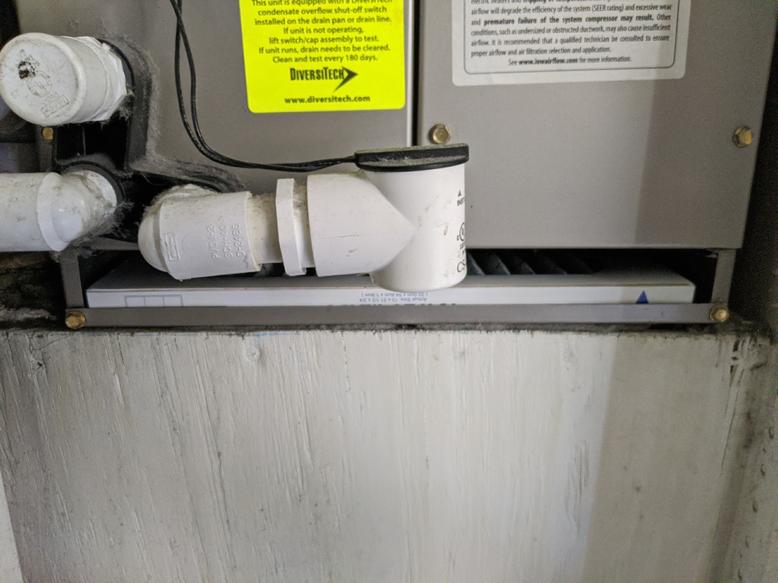
Air conditioners naturally produce condensation as they remove humidity from indoor air. Under normal conditions, this moisture drains safely through a condensate line. Problems occur when water cannot drain properly or when condensation forms in unexpected areas.
AC moisture issues may involve:
- Water leaks near the air handler
- Condensation inside ducts
- Clogged drain lines
- Frozen evaporator coils
- Excess indoor humidity
Addressing these issues promptly helps prevent damage to walls, ceilings, and flooring.
Why AC Moisture Problems Are Common in Lighthouse Point
Homes in Lighthouse Point and nearby communities such as Deerfield Beach, Pompano Beach, and Coconut Creek face several environmental factors that increase the likelihood of AC-related moisture problems.
High Humidity Levels
Outdoor humidity remains high for much of the year, forcing AC systems to remove large amounts of moisture continuously.
Constant System Operation
AC units often run for extended periods, which increases condensation production and wear on drainage components.
Coastal Air Conditions
Salt air and warm temperatures can accelerate deterioration of metal components and insulation.
Seasonal Storms
Heavy rain and humidity spikes after storms can increase moisture levels inside homes, putting additional strain on HVAC systems.
These conditions make regular AC maintenance especially important in Broward County homes.
Common Causes of AC Moisture Problems
Several issues frequently lead to moisture buildup in air-conditioning systems.
Clogged Condensate Drain Lines
Dust, algae, or debris can block drain lines, causing water to back up and overflow.
Dirty Air Filters
Restricted airflow can cause evaporator coils to freeze. When the ice melts, excess water may overwhelm the drainage system.
Damaged or Rusted Drain Pans
Older systems may develop corrosion or cracks in drain pans, allowing water to leak.
Low Refrigerant Levels
Low refrigerant can cause coils to freeze, leading to excess condensation when thawing occurs.
Poor Duct Insulation
Temperature differences between ducts and surrounding air can create condensation on duct surfaces.
Identifying the specific cause is essential to ensuring effective repairs.
Early Signs That AC Moisture Repair May Be Needed
AC moisture problems often begin with subtle warning signs.
Homeowners may notice:
- Water around the air handler
- Musty odors when the AC runs
- Increased indoor humidity
- Condensation near vents
- Reduced cooling efficiency
- Stains on ceilings or walls near ducts
These signs indicate moisture is present and should be investigated promptly.
Hidden Damage Caused by AC Moisture
If moisture problems continue, damage may develop in areas that are not immediately visible.
Behind Walls
Condensation or leaks from ductwork can dampen drywall and insulation.
Inside Air Ducts
Moisture trapped in ducts may lead to odors or mold growth.
Attics
Leaking or poorly insulated ducts in attic spaces can create condensation and damp insulation.
Flooring and Baseboards
Water from air handler leaks may spread slowly and affect nearby materials.
Professional inspections often uncover these hidden issues before they worsen.
Professional AC Moisture Inspection and Repair
A professional inspection focuses on identifying both the source of moisture and any resulting damage.
A typical inspection may include:
- Checking condensate drain lines
- Inspecting evaporator coils and air handlers
- Evaluating duct insulation and airflow
- Measuring humidity levels
- Identifying water intrusion points
Experienced local providers such as Pompano Mold Inspection and Testing understand how South Florida humidity affects HVAC systems, allowing them to diagnose problems accurately.
Common AC Moisture Repair Solutions
Once the cause is identified, repairs may involve several steps.
Clearing Drain Lines
Removing blockages allows condensation to drain properly.
Replacing or Repairing Drain Pans
Damaged pans are repaired or replaced to prevent leaks.
Cleaning or Replacing Filters
Improving airflow helps prevent coil freezing and excess condensation.
Insulating Ductwork
Proper insulation reduces condensation inside attics and crawl spaces.
Adjusting or Repairing HVAC Components
Technicians may address refrigerant levels, airflow issues, or other mechanical problems.
These solutions help restore proper system operation and prevent future moisture buildup.
Mold Risks Related to AC Moisture
Moisture from HVAC systems can create conditions where mold develops, especially in ducts or near air handlers.
Preventive steps include:
- Maintaining proper humidity levels
- Inspecting ducts regularly
- Cleaning coils and drain lines
- Addressing leaks promptly
Homes in Fort Lauderdale and Margate that experience prolonged HVAC moisture problems sometimes require both AC repair and mold remediation to fully restore indoor conditions.
How to Prevent Future AC Moisture Problems
Preventive maintenance is the most effective way to avoid recurring issues.
Homeowners in Lighthouse Point can reduce risk by:
- Changing air filters regularly
- Scheduling annual HVAC maintenance
- Checking drain lines periodically
- Keeping attic spaces ventilated
- Monitoring humidity levels indoors
Property managers in Coconut Creek and North Lauderdale often include HVAC inspections in seasonal maintenance plans to catch problems early.
Why Local Experience Matters
Air-conditioning systems in coastal Florida operate under different conditions than those in cooler climates. High humidity, salt air, and extended cooling seasons all influence system performance and maintenance needs.
Professionals familiar with Lighthouse Point homes understand:
- Typical condensation patterns in local HVAC systems
- Common attic and duct insulation issues
- Seasonal humidity effects on airflow
- Moisture behavior in slab foundation homes
This knowledge helps ensure accurate diagnosis and effective repairs.
A Calm, Practical Next Step
AC moisture problems often begin small but can lead to larger issues if ignored. Paying attention to early warning signs—such as leaks, odors, or increased humidity—helps homeowners address problems before damage spreads.
Many homeowners in Lighthouse Point and nearby communities schedule periodic inspections with experienced local providers like Pompano Mold Inspection and Testing to keep HVAC systems operating efficiently and prevent moisture-related damage.
Regular maintenance, prompt repairs, and proper ventilation remain the most reliable ways to keep air-conditioning systems functioning properly in South Florida’s humid climate.