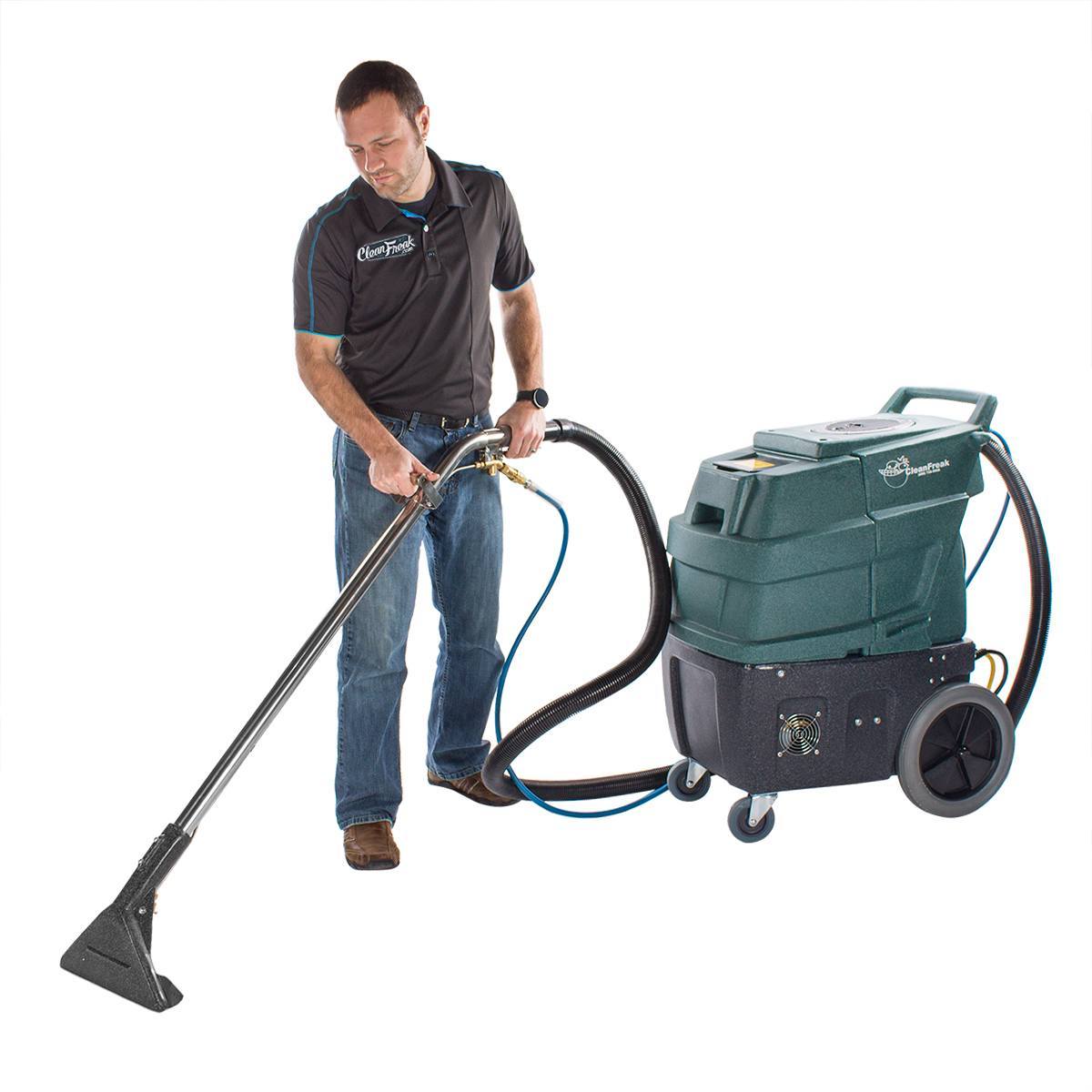
Property Owner Guide to Carpet Cleaning After Water Damage in Pompano Beach
Water damage is a common issue for property owners in Pompano Beach. Between heavy seasonal rains, plumbing leaks, AC condensation, and occasional flooding, carpets are often one of the first materials affected. Because carpet and padding absorb water quickly, proper cleaning and drying are essential to prevent long-term damage, odors, and mold growth.
Understanding how carpet cleaning works after water damage helps homeowners, landlords, and property managers respond quickly and protect their property.
What Happens to Carpet After Water Damage
Carpet acts like a sponge. Once water soaks into it, moisture travels through multiple layers:
- Carpet fibers
- Carpet backing
- Padding underneath
- Subfloor below
Even when the surface appears dry, moisture can remain trapped underneath. In humid climates like Pompano Beach, trapped moisture may take much longer to evaporate naturally, increasing the risk of odor, deterioration, and microbial growth.
Why Water Damage Is So Common in Pompano Beach
Local environmental conditions play a major role in water damage affecting carpets.
Several factors contribute:
Frequent heavy rainstorms can lead to roof leaks or water intrusion.
High humidity levels slow drying and allow moisture to linger.
AC systems produce condensation that may overflow or leak.
Older plumbing systems sometimes develop slow leaks that go unnoticed.
Coastal air and storms increase moisture levels inside homes.
Nearby communities such as Lighthouse Point, Deerfield Beach, and Coconut Creek experience similar conditions, making carpet cleaning after water damage a frequent necessity throughout Broward County.
Early Signs Carpet Has Been Affected
Water damage isn’t always obvious right away. Property owners often notice subtle signs first.
Common indicators include:
- Damp or musty odors
- Carpet that feels cool or slightly wet
- Darkened or discolored areas
- Wrinkling or bubbling in carpet sections
- Increased indoor humidity
- Allergy-like irritation indoors
These warning signs usually mean moisture remains below the surface.
Hidden Moisture That Property Owners Often Miss
One of the biggest challenges with carpet water damage is hidden moisture. Even when the visible surface looks dry, water may still be trapped in:
- Carpet padding
- Wooden subfloors
- Concrete slabs
- Baseboards and wall edges
In Pompano Beach’s humid environment, this trapped moisture may remain for days or even weeks without proper drying equipment.
Why DIY Carpet Cleaning Usually Falls Short
Many property owners attempt to clean or dry carpets themselves using household fans or standard cleaning machines. While these methods may remove some surface moisture, they rarely solve the deeper problem.
DIY methods typically cannot:
- Extract water from carpet padding effectively
- Dry subfloors thoroughly
- Detect moisture beneath flooring
- Prevent mold growth
Incomplete drying is one of the most common reasons carpets develop odors or mold weeks after a water incident.
Professional Mold Inspection and Testing After Water Damage
Carpets affected by water damage can become a favorable environment for mold if not dried quickly. Mold may begin developing within 24 to 48 hours in warm, humid conditions.
Professional inspection often includes:
- Moisture mapping to identify damp areas
- Air sampling when necessary
- Surface evaluation of affected materials
- Identifying areas where mold is likely to develop
Professionals familiar with local conditions, such as Pompano Mold Inspection and Testing, understand how humidity, ventilation, and building materials in South Florida homes influence mold growth.
The Proper Carpet Cleaning and Drying Process
Professional carpet cleaning after water damage involves several important steps to ensure the material is safe and dry.
1. Water Extraction
High-powered extraction equipment removes as much water as possible from both carpet and padding.
2. Removal of Saturated Padding
In many cases, heavily soaked padding must be removed because it retains water for long periods.
3. Structural Drying
Industrial air movers and dehumidifiers dry the subfloor and surrounding materials.
4. Cleaning and Sanitizing
Carpet fibers are cleaned to remove contaminants and odors.
5. Moisture Monitoring
Moisture levels are checked until the area is completely dry.
This process ensures that moisture does not remain trapped where it can cause long-term problems.
Flood Restoration and Water Damage Repair
Carpet cleaning is often just one part of the larger flood restoration process. Water damage can affect multiple parts of a home simultaneously.
Restoration may also include:
- Drywall repairs
- Baseboard replacement
- Subfloor repair
- Moisture detection in walls
- Air circulation improvements
Addressing all affected materials helps prevent recurring issues.
Air Ducts, AC Systems, and Carpet Moisture
In many Pompano Beach homes, HVAC systems contribute to moisture problems that affect carpets.
Common issues include:
- AC drain line clogs causing overflow
- Condensation dripping near vents
- High indoor humidity from poor airflow
- Moisture circulating through ducts
If these issues are not corrected, carpets may remain damp or repeatedly develop moisture problems.
How to Prevent Carpet Damage in the Future
While storms and leaks cannot always be avoided, property owners can reduce the risk of severe carpet damage by taking preventive steps.
Helpful measures include:
- Inspecting AC drain lines regularly
- Checking plumbing fixtures for leaks
- Using dehumidifiers during humid months
- Ensuring proper ventilation
- Scheduling routine moisture inspections
- Addressing minor leaks quickly
Preventive maintenance is often far less costly than replacing flooring and repairing structural damage later.
Why Local Experience Matters
Water damage restoration in South Florida requires understanding local conditions. High humidity, coastal weather, and common building methods in Broward County all affect how moisture behaves in homes.
Local professionals understand:
- How quickly humidity affects carpets
- Where moisture tends to accumulate
- Which drying methods work best in coastal climates
- How seasonal storms influence indoor conditions
This experience helps ensure that cleaning and drying are thorough and effective.
A Practical Next Step for Property Owners
Carpet water damage is more than a cosmetic problem. Moisture trapped beneath the surface can lead to odors, structural deterioration, and mold growth if not addressed properly.
Acting quickly, drying thoroughly, and inspecting carefully are the most important steps. When handled correctly, carpet and flooring can often be restored, and the home can return to a safe, comfortable condition.
Property owners who respond early and use proper restoration methods can prevent small water incidents from turning into costly repairs later.