Early Signs You Should Not Ignore: Mold Remediation in Margate in Commercial Buildings
Commercial buildings in Margate operate under demanding conditions. Offices, retail spaces, warehouses, and multi-tenant properties experience constant foot traffic, extended HVAC use, and varying indoor humidity levels. In South Florida’s climate, moisture problems can develop quickly, and when mold begins to grow, the issue can spread before building managers even realize there is a problem.
Recognizing early warning signs and understanding the mold remediation process helps property owners and managers protect their buildings, tenants, and long-term property value.
What Mold Problems in Commercial Buildings Really Mean
Mold growth in commercial buildings often develops differently than in residential properties. Larger floor plans, complex ventilation systems, and concealed utility spaces create more areas where moisture can accumulate unnoticed.
Mold typically develops when three conditions exist:
- Moisture or humidity
- Organic materials such as drywall or carpet
- Limited airflow
In Margate’s warm, humid environment, these conditions can occur quickly after even minor leaks or ventilation problems.
Why Mold Issues Are Common in Margate Commercial Properties
Commercial buildings in Margate face several environmental and structural factors that increase mold risk.
High humidity levels allow moisture to remain in indoor air.
Frequent summer storms can lead to roof leaks or water intrusion.
Large HVAC systems may produce condensation or develop drainage issues.
Flat roofing systems commonly used in commercial buildings may allow slow leaks.
Busy occupancy schedules sometimes delay maintenance inspections.
Nearby areas such as Coconut Creek, North Lauderdale, and Pompano Beach experience similar climate patterns, which is why mold remediation is a common need across Broward County.
Early Signs You Should Not Ignore
Mold rarely appears overnight in large, visible patches. In many commercial buildings, the earliest signs are subtle.
Property managers and maintenance teams often notice:
- Persistent musty odors in certain areas
- Dark spots near ceiling tiles or vents
- Peeling paint or bubbling drywall
- Warped baseboards or trim
- Staining around air vents or duct openings
- Increased humidity indoors
These warning signs usually indicate moisture problems that can lead to mold growth if not addressed.
Hidden or Overlooked Areas Where Mold Develops
Commercial buildings contain many concealed spaces where moisture can accumulate.
Common problem areas include:
- Above drop ceilings
- Inside wall cavities
- Around HVAC air handlers
- Under carpet tiles
- Storage rooms with limited airflow
- Utility closets and mechanical rooms
Because these areas are not visible during daily operations, mold growth may continue for weeks before being detected.
Why Delaying Action Creates Bigger Problems
In commercial environments, delaying mold remediation can lead to:
- Damage to drywall, insulation, and flooring
- Persistent odors affecting tenants and visitors
- Reduced HVAC efficiency
- Higher repair costs later
Early intervention keeps the problem contained and minimizes disruption to business operations.
Why DIY Mold Cleanup Is Not Recommended in Commercial Buildings
Small surface cleaning may remove visible mold temporarily, but it rarely solves the underlying issue in larger buildings.
DIY approaches often fail to:
- Identify the moisture source
- Remove contamination from porous materials
- Prevent mold spores from spreading
- Dry structural materials completely
Professional remediation ensures the problem is handled thoroughly and safely.
Professional Mold Inspection and Testing Explained
Before remediation begins, inspection and testing help determine the extent of the issue and identify the moisture source.
A typical commercial mold inspection may include:
- Moisture detection in walls and ceilings
- Inspection of HVAC systems and ductwork
- Air sampling when necessary
- Evaluation of roofing or plumbing areas
Professionals familiar with South Florida conditions, such as Pompano Mold Inspection and Testing, understand how humidity and ventilation patterns in Broward County commercial buildings influence mold growth.
The Proper Mold Remediation Process
Effective mold remediation follows a structured approach designed to remove contamination and prevent recurrence.
1. Containment
Affected areas are isolated to prevent spores from spreading to other parts of the building.
2. Removal of Damaged Materials
Porous materials that cannot be cleaned may be removed and replaced.
3. Cleaning and Treatment
Surfaces are cleaned using appropriate methods to remove contamination.
4. Drying and Dehumidification
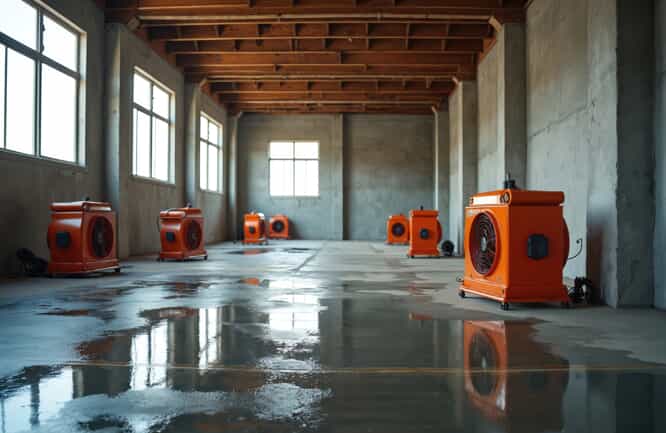
Industrial equipment removes moisture from structural materials.
5. Verification and Monitoring
Moisture levels are checked to confirm the area is dry and stable.
This process helps ensure mold does not return.
Flood Restoration and Water Damage Repair in Commercial Buildings
Many mold problems in Margate commercial properties begin with water intrusion. Flood restoration and water damage repair are often necessary before remediation.
This may include:
- Water extraction
- Structural drying
- Repairing damaged drywall or ceiling tiles
- Addressing roof or plumbing leaks
Removing the moisture source is essential for long-term results.
HVAC Systems, Air Ducts, and Mold Spread
Commercial HVAC systems can play a significant role in mold issues. If moisture develops inside ducts or air handlers, spores may circulate throughout the building.
Common contributing factors include:
- Condensation buildup
- Blocked drain lines
- Dirty or clogged filters
- Poor airflow
Regular duct inspection and cleaning help maintain indoor air quality and reduce mold risk.
How Commercial Property Owners Can Prevent Mold Problems
Preventive maintenance is one of the most effective ways to reduce mold risk in commercial buildings.
Recommended steps include:
- Inspect roofing and drainage systems regularly
- Maintain HVAC systems and clear drain lines
- Monitor humidity levels indoors
- Address plumbing leaks immediately
- Schedule periodic moisture inspections
- Improve ventilation in storage and utility areas
Consistent maintenance helps identify small issues before they become major repairs.
Why Local Experience Matters
Mold remediation in South Florida requires understanding local weather patterns, building construction, and humidity behavior. Commercial buildings in Margate experience different moisture patterns than buildings in drier climates.
Local professionals understand:
- How storm seasons affect commercial properties
- Where moisture commonly accumulates in large buildings
- How humidity slows drying
- Which remediation methods work best in coastal environments
Companies with regional experience, including Pompano Mold Inspection and Testing, are familiar with these conditions and the most effective solutions.
A Practical Next Step for Property Owners and Managers
Mold problems in commercial buildings often begin with small moisture issues that go unnoticed. Recognizing early warning signs, responding quickly, and addressing moisture sources are the most important steps in preventing major damage.
When inspection and remediation are handled properly, commercial buildings in Margate can remain safe, efficient, and comfortable for tenants and employees. Early action not only protects the structure but also helps maintain a healthy indoor environment and avoid costly repairs in the future.