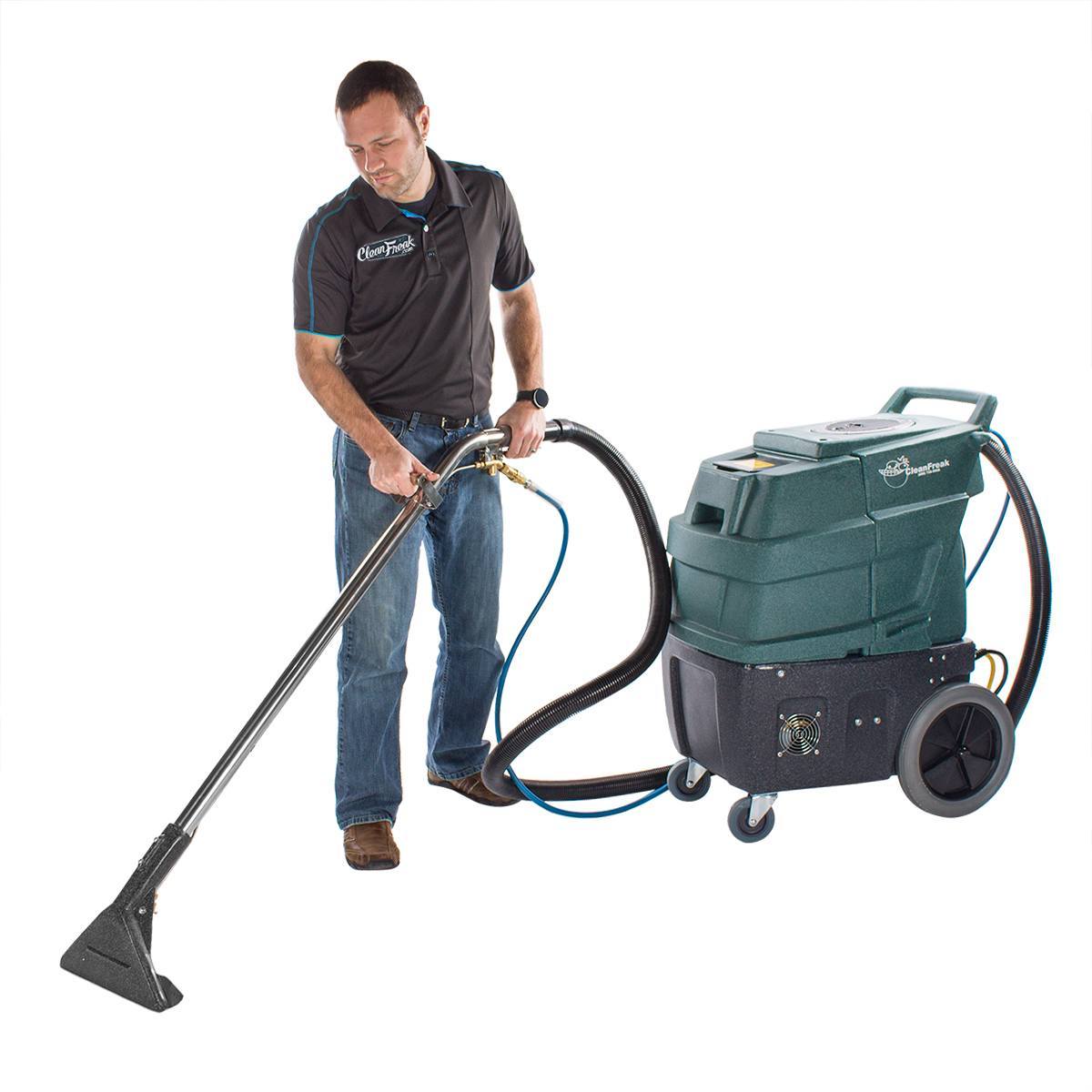
A Complete Homeowner Guide: Carpet Cleaning After Water Damage in Lauderdale-by-the-Sea after Storm Damage
Storms are part of life in Lauderdale-by-the-Sea. Heavy rains, coastal winds, and sudden downpours can quickly lead to water intrusion in homes. When water enters a property, carpets are often one of the first materials affected. Because carpets absorb moisture quickly and hold it deep within their layers, proper cleaning and drying are essential after storm damage.
Understanding how carpet cleaning works after water damage helps homeowners act quickly, protect flooring, and prevent long-term problems such as odors, structural deterioration, and mold growth.
What Happens to Carpet After Storm Damage
Carpet is designed to be soft and absorbent, which makes it comfortable—but also vulnerable to water. After storm damage, water doesn’t just stay on the surface.
Moisture usually spreads through:
- Carpet fibers
- Carpet backing
- Padding underneath
- The subfloor below
Even when the surface looks dry, moisture can remain trapped beneath the carpet. In a humid coastal area like Lauderdale-by-the-Sea, natural drying can take much longer than expected.
Why Storm Damage Is So Common in Lauderdale-by-the-Sea
Coastal communities face unique conditions that increase the likelihood of water damage.
Several local factors contribute:
Heavy seasonal storms can force rainwater under doors or through window seals.
High humidity levels slow the evaporation of moisture.
Wind-driven rain can enter areas that normally stay dry.
Storm surge and flooding may affect ground-level flooring.
AC systems working harder during humid periods can add additional moisture indoors.
Nearby communities such as Pompano Beach, Lighthouse Point, and Deerfield Beach experience similar weather patterns, making water damage restoration a common need across Broward County.
Early Signs Carpet Has Been Affected by Storm Water
Not all water damage is obvious right away. After a storm, carpets may appear normal at first, but subtle warning signs often develop within a day or two.
Homeowners may notice:
- A damp or musty smell
- Carpet that feels cool or slightly wet
- Discoloration or dark patches
- Wrinkling or bubbling in carpet areas
- Increased indoor humidity
- Baseboards showing signs of moisture
These early signs usually indicate moisture trapped beneath the carpet.
Hidden Moisture That Often Goes Unnoticed
One of the biggest risks after storm damage is moisture that remains hidden. Water can migrate into areas that are not visible during everyday use.
Common hidden locations include:
- Carpet padding
- Wooden subfloors
- Concrete slabs
- Edges along walls
- Under furniture
- Inside adjacent drywall
If moisture remains in these areas, odors and material deterioration may develop over time.
Why DIY Carpet Cleaning Usually Falls Short
Many homeowners attempt to clean or dry carpets themselves after a storm using fans, wet vacuums, or household carpet cleaners. While these methods may help with surface moisture, they rarely remove water trapped beneath the carpet.
DIY methods often cannot:
- Extract moisture from padding
- Dry subfloors thoroughly
- Detect hidden damp areas
- Prevent microbial growth
Incomplete drying is one of the main reasons carpets develop musty odors weeks after a storm event.
Professional Mold Inspection and Testing Explained
After storm-related water damage, mold growth becomes a concern, especially in warm, humid climates. Mold can begin developing within 24 to 48 hours when materials remain damp.
Professional mold inspection typically involves:
- Moisture detection in flooring and walls
- Evaluating humidity levels indoors
- Inspecting HVAC systems and nearby materials
- Surface or air sampling when necessary
Professionals experienced in South Florida conditions, such as Pompano Mold Inspection and Testing, understand how coastal humidity and storm exposure affect homes in Lauderdale-by-the-Sea and surrounding areas.
The Proper Carpet Cleaning and Drying Process
Professional carpet cleaning after storm damage follows a structured process designed to restore materials safely.
1. Water Extraction
High-powered extraction equipment removes as much water as possible from carpet and padding.
2. Padding Removal When Necessary
If padding is heavily saturated, replacement may be recommended because it retains moisture longer than carpet fibers.
3. Structural Drying
Industrial air movers and dehumidifiers dry the subfloor and surrounding materials.
4. Cleaning and Sanitizing
Carpet fibers are cleaned to remove contaminants and odors.
5. Moisture Monitoring
Moisture levels are measured to ensure the area is completely dry.
This process helps prevent lingering moisture that could lead to further problems.
Flood Restoration and Water Damage Repair
Carpet cleaning is often only one part of the restoration process. Storm damage may also affect walls, baseboards, and structural components.
Flood restoration may include:
- Drying wall cavities
- Repairing or replacing drywall
- Treating affected framing or flooring
- Sealing areas where water entered
Addressing all affected materials ensures the home is fully restored rather than temporarily repaired.
Air Ducts, AC Systems, and Storm Moisture
After a storm, HVAC systems can also be affected by humidity and moisture.
Potential issues include:
- Moisture entering ductwork
- Condensation forming around vents
- Musty odors circulating through the home
- Reduced airflow efficiency
Inspecting and maintaining HVAC systems after water damage helps improve indoor air quality and reduce future risks.
How to Prevent Future Carpet Water Damage
While storms cannot be prevented, homeowners in Lauderdale-by-the-Sea can reduce the risk of serious carpet damage by taking practical steps.
Helpful preventive measures include:
- Inspecting doors and window seals before storm season
- Keeping gutters and drainage systems clear
- Checking AC drain lines regularly
- Using dehumidifiers during humid months
- Addressing small leaks immediately
- Scheduling periodic moisture inspections
These steps can significantly reduce the likelihood of long-term damage.
Why Local Experience Matters
Water damage restoration in coastal South Florida requires understanding how humidity, salt air, and storms affect building materials. Homes in Lauderdale-by-the-Sea often dry more slowly than properties inland, and moisture can behave differently in slab foundations and coastal environments.
Local professionals understand:
- How quickly carpets absorb moisture in humid climates
- Where storm water most often enters homes
- How long materials realistically take to dry
- Which drying methods are most effective in coastal conditions
Companies familiar with Broward County conditions, including Pompano Mold Inspection and Testing, bring valuable regional knowledge that helps ensure restoration is thorough and effective.
A Practical Next Step for Homeowners
Storm damage can be stressful, but acting quickly makes a major difference. Removing water promptly, drying materials thoroughly, and inspecting for hidden moisture are the most important steps in protecting carpets and flooring.
When carpet cleaning and restoration are handled properly, homes in Lauderdale-by-the-Sea can recover fully after storm damage and remain comfortable, dry, and safe for years to come.