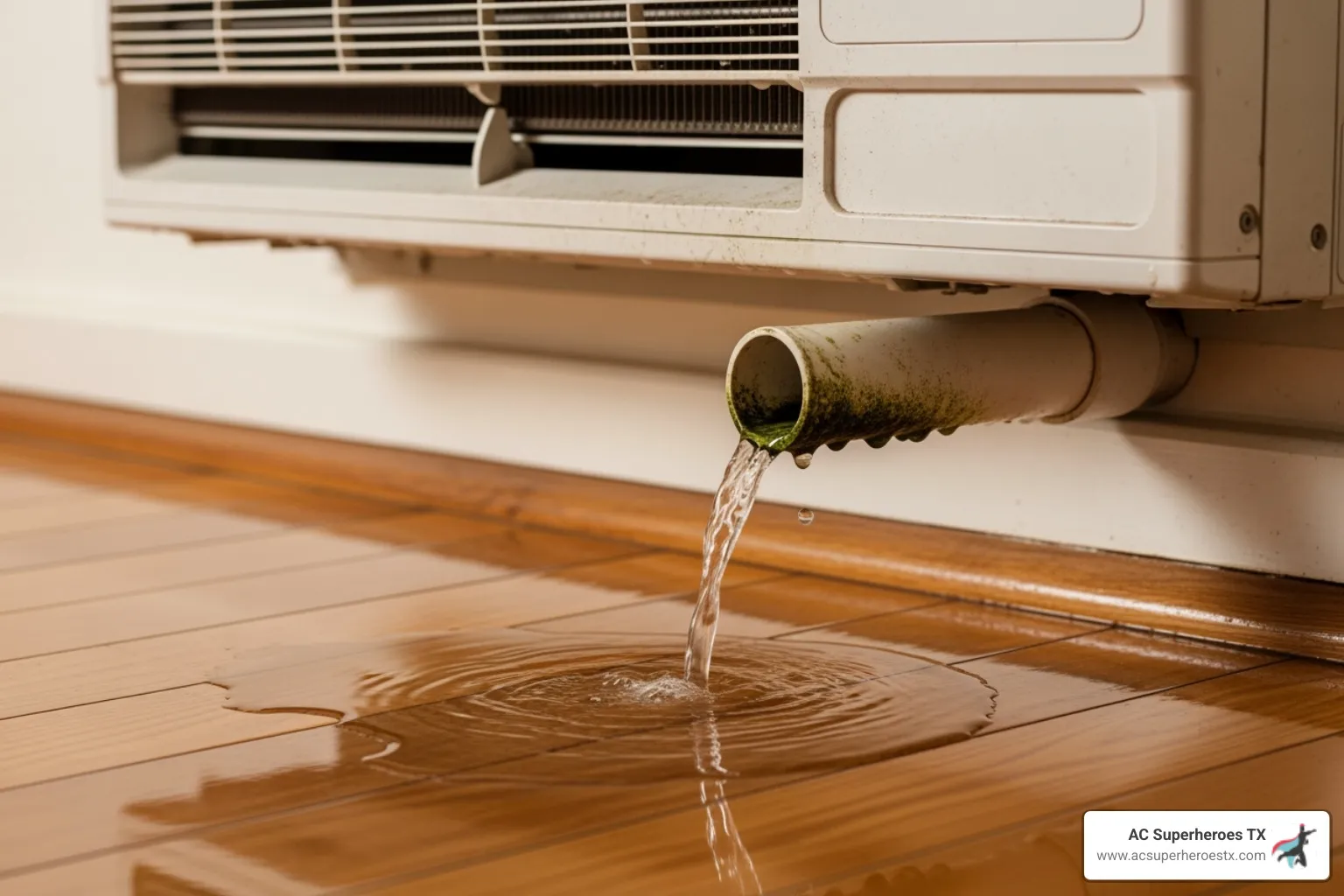
Deerfield Beach Water Leak Detection from AC Condensation: Early Signs You Should Not Ignore
In Deerfield Beach, air conditioning systems run almost continuously for much of the year. While they keep homes comfortable, they also produce large amounts of condensation every day. When drainage systems clog, components wear out, or humidity levels rise, that condensation can turn into a hidden water leak.
These types of leaks often develop slowly, making them easy to overlook until damage becomes visible. Understanding the early signs of AC-related water leaks and the importance of professional leak detection can help homeowners prevent costly repairs and long-term moisture problems.
What AC Condensation Leaks Really Are
Air conditioners remove moisture from indoor air as part of normal operation. The water collects on evaporator coils and drains through a condensate line. When the system is functioning properly, the water exits safely outside the home.
Leaks begin when something interrupts this process, such as:
- A clogged condensate drain line
- A cracked or rusted drain pan
- Improper system installation
- Frozen evaporator coils melting rapidly
- Poor airflow causing excess condensation
When water cannot drain properly, it may overflow into walls, floors, or nearby carpeting, creating hidden moisture problems.
Why AC Condensation Leaks Are Common in Deerfield Beach
Several local factors make AC-related water leaks more common in Deerfield Beach and nearby communities like Lighthouse Point, Pompano Beach, and Coconut Creek.
High humidity levels mean AC systems remove more moisture than in many other regions.
Year-round AC use increases wear on drainage components.
Coastal air and moisture can accelerate corrosion of metal parts.
Heavy storm seasons raise humidity levels even further.
Well-sealed homes sometimes limit airflow, increasing condensation buildup.
Because these conditions are typical throughout Broward County, leak detection services are frequently needed in residential properties.
Early Signs You Should Not Ignore
AC condensation leaks rarely start with dramatic flooding. Most homeowners notice subtle warning signs first.
Common early indicators include:
- A musty or damp odor near vents or AC closets
- Water stains on ceilings or walls
- Carpet or flooring that feels slightly damp
- Warped or swollen baseboards
- Dripping sounds near the air handler
- Increased indoor humidity
These signs often appear days or even weeks before serious damage becomes visible.
Hidden or Overlooked Areas Where Leaks Develop
Condensation leaks often occur in areas that are not inspected regularly. Water may travel along framing, drywall, or flooring before becoming visible.
Common hidden locations include:
- Inside wall cavities near the air handler
- Beneath carpeting and padding
- Around ceiling-mounted ductwork
- Inside closets containing HVAC equipment
- Beneath laminate or wood flooring
Because these areas trap moisture, damage may continue even after the surface appears dry.
Why DIY Leak Detection Often Misses the Problem
Some homeowners try to locate leaks visually or assume that drying the area is enough. Unfortunately, condensation leaks can be difficult to trace without specialized tools.
DIY approaches often cannot:
- Detect moisture behind walls
- Measure moisture levels accurately
- Identify slow leaks inside drain lines
- Locate hidden damp areas beneath flooring
Professional leak detection uses moisture meters, thermal imaging, and inspection techniques that reveal problems not visible to the eye.
Professional Water Leak Detection Explained
Water leak detection focuses on identifying both the source of the moisture and the extent of the damage. A thorough inspection typically includes:
- Checking condensate drain lines and pans
- Inspecting nearby walls, ceilings, and flooring
- Measuring moisture levels in structural materials
- Evaluating HVAC performance and airflow
- Identifying areas at risk for mold growth
Professionals experienced in South Florida conditions, such as Pompano Mold Inspection and Testing, understand how humidity and condensation behave in coastal homes and how to detect leaks early.
What Happens After a Leak Is Found
Once a condensation leak is identified, several steps may be necessary to restore the affected area.
These steps often include:
- Repairing or clearing the condensate drain line
- Replacing damaged components in the AC system
- Drying affected materials
- Cleaning and sanitizing surfaces
- Repairing drywall, flooring, or baseboards if needed
Addressing both the leak and the resulting moisture is essential to prevent future problems.
Mold Risks After AC Condensation Leaks
Warm, damp conditions create an environment where mold can develop quickly, particularly in humid climates like Deerfield Beach.
Mold may begin to grow:
- Behind drywall
- Inside ductwork
- Beneath carpets
- Around vents and registers
Professional mold inspection and testing may be recommended if moisture has been present for more than a short period.
Flood Restoration and Water Damage Repair
Although condensation leaks usually involve smaller amounts of water than flooding, restoration steps may still be necessary.
Water damage repair may include:
- Structural drying with air movers and dehumidifiers
- Removing damaged materials
- Repairing affected flooring or drywall
- Monitoring moisture levels until the area is fully dry
Proper drying helps prevent lingering odors and long-term deterioration.
Air Ducts, Ventilation, and Indoor Air Quality
AC condensation problems often affect more than just walls and floors. Moisture can also impact air ducts and ventilation systems.
Potential issues include:
- Mold growth inside ducts
- Reduced airflow
- Persistent musty odors
- Increased dust or airborne particles
Cleaning and maintaining HVAC systems can help restore proper airflow and improve indoor air quality.
How Homeowners Can Prevent AC Condensation Leaks
Preventive maintenance is one of the most effective ways to avoid water leaks.
Homeowners in Deerfield Beach can:
- Flush condensate drain lines regularly
- Replace air filters on schedule
- Inspect drain pans periodically
- Schedule annual HVAC maintenance
- Keep vents and returns unobstructed
- Use dehumidifiers during humid months
These simple steps reduce strain on the system and help prevent moisture buildup.
Why Local Experience Matters
Water leak detection in South Florida requires understanding how humidity, coastal weather, and building materials affect homes. Condensation behaves differently in humid climates than in dry regions, and drying times are often longer.
Local professionals understand:
- How quickly moisture spreads in humid environments
- Where AC leaks most commonly occur in Broward County homes
- How storm season affects indoor humidity
- Which drying techniques work best in coastal properties
Companies familiar with regional conditions, including Pompano Mold Inspection and Testing, are better equipped to identify problems accurately and recommend effective solutions.
A Practical Next Step for Homeowners
AC condensation leaks are common but manageable when caught early. Paying attention to warning signs, scheduling inspections, and addressing moisture promptly can prevent extensive damage and costly repairs.
Water leak detection helps homeowners in Deerfield Beach identify problems before they spread, protect flooring and structural materials, and maintain a dry, comfortable indoor environment throughout the year.