Indoor Air Quality Improvement Solutions for Homes in North Lauderdale: A Complete Homeowner Guide
Indoor air quality plays a major role in the comfort, cleanliness, and long-term condition of homes in North Lauderdale. Because South Florida has high humidity for most of the year, moisture, dust, and airborne particles can accumulate indoors more easily than many homeowners expect. When ventilation is limited or moisture problems develop, indoor air quality can decline gradually without obvious warning signs.
Understanding the causes of poor indoor air quality and the solutions available helps homeowners maintain a cleaner, more comfortable living environment and avoid larger moisture-related problems.
What Indoor Air Quality Really Means
Indoor air quality refers to the condition of the air circulating inside a home. It is affected by humidity, airflow, airborne particles, and the cleanliness of ventilation systems.
When indoor air quality is good, homeowners typically experience:
- Fresh-smelling air
- Balanced humidity levels
- Reduced dust buildup
- Consistent airflow between rooms
When air quality declines, the changes may be subtle at first, but they often worsen over time if underlying causes are not addressed.
Why Indoor Air Quality Issues Are Common in North Lauderdale
Homes in North Lauderdale face several environmental conditions that make indoor air quality challenges more likely.
High year-round humidity allows moisture to remain trapped indoors.
Frequent storms and heavy rains increase moisture in building materials.
Air conditioning systems running daily produce condensation that must drain properly.
Modern sealed construction sometimes reduces natural airflow.
Older duct systems may accumulate dust or moisture over time.
Nearby areas such as Margate, Coconut Creek, and Pompano Beach experience similar conditions, which is why indoor air quality improvement is a common concern throughout Broward County.
Common Causes of Poor Indoor Air Quality
Indoor air quality problems rarely come from a single source. More often, they result from several factors working together.
Some of the most common causes include:
- Excess indoor humidity
- Dirty or clogged air ducts
- Poor ventilation in bathrooms and kitchens
- Moisture from plumbing leaks or roof leaks
- Dust buildup in HVAC systems
- Water damage that was not completely dried
Over time, these conditions allow airborne particles and moisture to circulate throughout the home.
Early Signs Homeowners Should Watch For
Indoor air quality issues often appear gradually. Recognizing early warning signs helps prevent larger problems.
Common signs include:
- Musty or stale odors
- Rooms that feel damp or humid
- Increased dust despite regular cleaning
- Condensation forming on windows or vents
- Uneven airflow between rooms
- Persistent odors when the AC runs
These symptoms often indicate moisture or ventilation problems rather than surface cleanliness issues.
Hidden Sources That Affect Indoor Air Quality
Many air quality issues originate in areas homeowners rarely inspect.
Common hidden sources include:
- Inside air ducts and vents
- Attics with limited ventilation
- Behind drywall affected by moisture
- Carpet padding that has absorbed humidity
- HVAC air handlers and drain pans
- Storage areas with restricted airflow
Because these areas are not visible, air quality problems may develop for months before being noticed.
Why DIY Air Quality Fixes Often Fall Short
Homeowners sometimes try to improve indoor air quality using air fresheners, portable fans, or over-the-counter cleaning products. While these steps may provide temporary improvement, they rarely address the root cause.
DIY methods usually cannot:
- Detect hidden moisture sources
- Evaluate ventilation performance
- Inspect duct systems thoroughly
- Measure humidity and airborne particles accurately
Lasting improvement usually requires identifying and correcting the source of the problem.
Professional Mold Inspection and Testing Explained
In humid climates like North Lauderdale, mold can sometimes contribute to indoor air quality problems, especially when moisture has been present for long periods.
A professional inspection may include:
- Moisture detection in walls and flooring
- Attic and ventilation evaluation
- Inspection of HVAC systems
- Air or surface sampling when necessary
Professionals experienced in South Florida conditions, such as Pompano Mold Inspection and Testing, understand how humidity, ventilation, and building materials in Broward County homes affect indoor air quality.
Air Duct Cleaning and HVAC Maintenance
HVAC systems play a central role in indoor air quality because they circulate air throughout the home. When ducts or system components accumulate dust or moisture, air quality can decline.
Common HVAC-related issues include:
- Dust buildup inside ductwork
- Condensation near evaporator coils
- Clogged air filters restricting airflow
- Moisture inside air handlers
Regular duct cleaning and system maintenance help improve airflow and reduce airborne particles.
Moisture Control and Water Damage Prevention
Moisture control is one of the most important steps in maintaining good indoor air quality. Even small leaks or humidity buildup can affect the air inside a home.
Effective moisture control measures include:
- Repairing plumbing or roof leaks promptly
- Keeping AC drain lines clear
- Using dehumidifiers in humid areas
- Ensuring proper attic ventilation
- Inspecting areas previously affected by water damage
Flood restoration and water damage repair are often necessary when materials have remained damp for extended periods. Thorough drying helps prevent odors and long-term air quality issues.
Ventilation Improvements That Make a Difference
Improving airflow is often one of the simplest ways to improve indoor air quality.
Homeowners can:
- Run bathroom and kitchen exhaust fans regularly
- Keep interior doors open to improve circulation
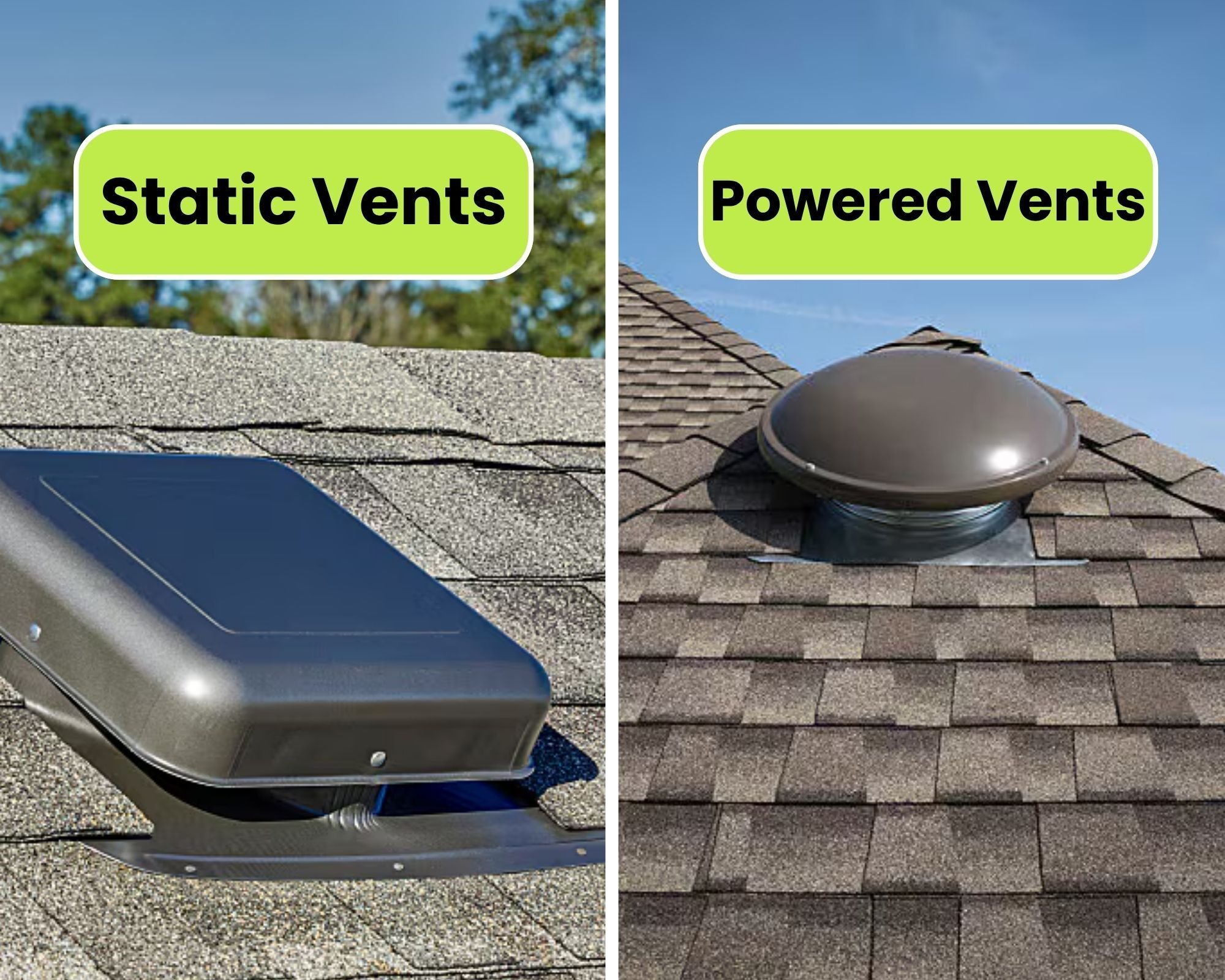
- Ensure attic vents are clear
- Replace or clean HVAC filters on schedule
- Maintain proper airflow around vents and returns
Better ventilation helps reduce humidity and prevents stagnant air.
Preventive Maintenance for Long-Term Air Quality
Maintaining indoor air quality is easier when preventive steps are taken regularly.
Helpful maintenance practices include:
- Scheduling periodic moisture inspections
- Inspecting HVAC systems annually
- Cleaning or replacing filters regularly
- Monitoring indoor humidity levels
- Addressing minor leaks immediately
These steps help keep small issues from becoming larger problems.
Why Local Experience Matters
Indoor air quality improvement in South Florida requires understanding how coastal humidity and seasonal weather affect homes. Drying times, ventilation needs, and moisture behavior differ significantly from other climates.
Local professionals understand:
- How humidity affects indoor air year-round
- Where moisture commonly accumulates in Broward County homes
- How storm seasons influence indoor environments
- Which ventilation and drying methods work best locally
Companies familiar with regional conditions, including Pompano Mold Inspection and Testing, are better equipped to identify problems accurately and recommend effective solutions.
A Practical Next Step for Homeowners
Indoor air quality problems often begin quietly, but early action makes a major difference. Monitoring humidity, maintaining HVAC systems, and addressing moisture promptly help keep air clean and comfortable.
With proper inspection, cleaning, and preventive maintenance, homes in North Lauderdale can maintain healthy indoor environments and avoid many of the long-term problems associated with humidity and poor ventilation.