AC Moisture Repair Services in Margate During the Rainy Season: Expert Advice for Homeowners
In Margate, the rainy season brings more than just afternoon storms and heavy humidity. It also places extra strain on air conditioning systems, which work continuously to keep homes cool and dry. During these months, AC-related moisture problems become more common, and when they are not addressed quickly, they can lead to water damage, mold growth, and indoor air quality concerns.
Understanding how AC moisture develops, recognizing early warning signs, and knowing how professional moisture repair helps can protect homes from long-term damage.
What AC Moisture Problems Really Are
Air conditioners remove humidity from indoor air as part of normal operation. Moisture condenses on evaporator coils and drains through a condensate line. When this drainage system works properly, the water exits the home without causing damage.
Moisture problems occur when something interrupts this process. Water may begin to accumulate inside or around the system, eventually spreading into nearby walls, ceilings, or flooring.
Common causes include:
- Clogged condensate drain lines
- Overflowing or rusted drain pans
- Restricted airflow causing coil freezing
- High humidity levels overwhelming the system
- Improper installation or aging components
During the rainy season, humidity levels increase significantly, making these issues more likely to appear.
Why AC Moisture Issues Increase During the Rainy Season in Margate
Margate and nearby communities like Coconut Creek, North Lauderdale, and Deerfield Beach experience sharp increases in humidity during the rainy season. This affects how air conditioning systems operate.
Several factors contribute to increased moisture problems:
Higher outdoor humidity means AC systems remove more water from the air.
Frequent storms keep humidity levels elevated for long periods.
Reduced natural drying occurs when the air remains saturated.
Longer AC run times increase wear on drainage components.
Older systems may struggle to keep up with heavy moisture loads.
Because of these conditions, small maintenance issues can quickly turn into water leaks or moisture damage if not addressed.
Early Signs Homeowners Should Not Ignore
AC moisture problems usually start with subtle warning signs rather than major leaks. Recognizing these early indicators can prevent more serious damage.
Homeowners may notice:
- Musty odors near vents or AC closets
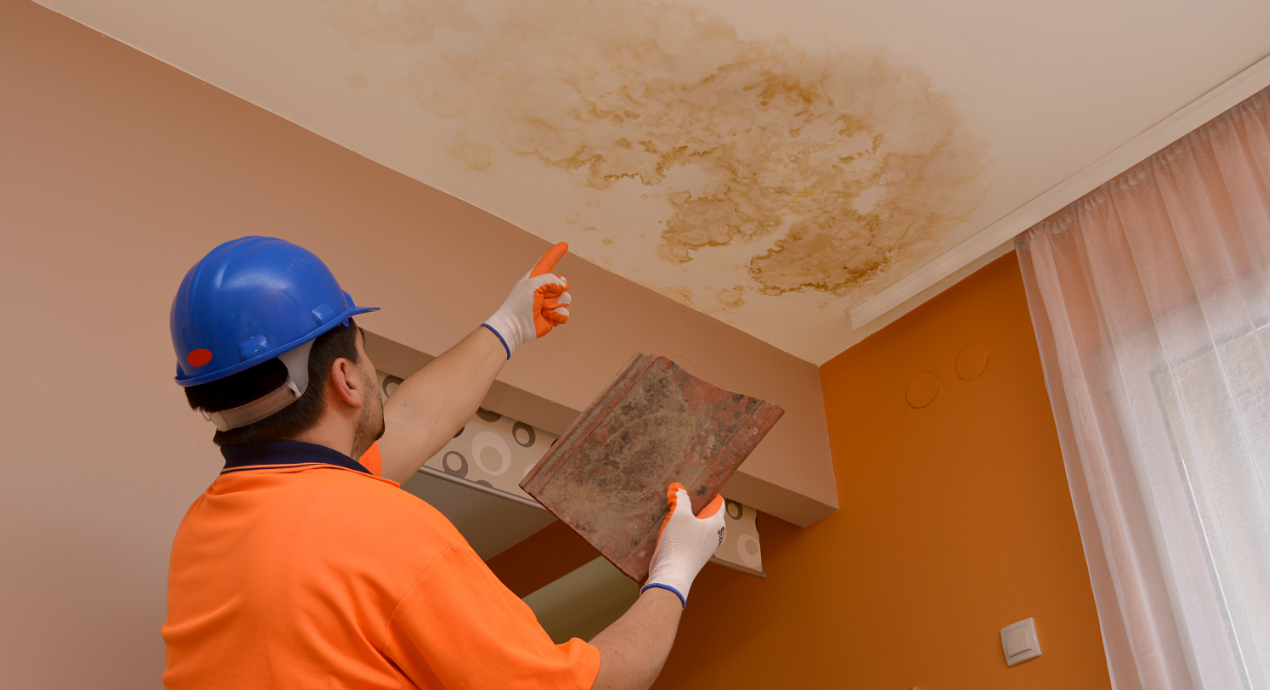
- Water stains on ceilings or walls
- Damp carpet or flooring near the air handler
- Increased indoor humidity
- Dripping or gurgling sounds from the AC system
- Condensation forming on vents or ducts
These signs often indicate that moisture is not draining properly.
Hidden Areas Where Moisture Often Develops
One of the biggest challenges with AC moisture is that it often spreads into areas that are not visible.
Common hidden locations include:
- Inside wall cavities near AC units
- Beneath carpet and padding
- Inside ductwork
- Around attic air handlers
- Behind baseboards and drywall
Because moisture can remain trapped in these areas, problems may continue even after the visible surface appears dry.
Why DIY Moisture Repairs Often Fall Short
Some homeowners attempt to solve AC moisture problems by cleaning visible water or using fans to dry affected areas. While these steps may help temporarily, they rarely resolve the underlying cause.
DIY methods often cannot:
- Locate hidden moisture
- Clear deep drain line blockages
- Dry structural materials completely
- Evaluate system airflow and performance
Without correcting the source of the moisture, water damage and odors often return.
Professional AC Moisture Repair Explained
Professional moisture repair focuses on both identifying the source of the problem and restoring affected areas.
A thorough service typically includes:
- Inspecting and clearing condensate drain lines
- Checking drain pans and coils
- Measuring moisture levels in surrounding materials
- Evaluating airflow and system performance
- Inspecting nearby walls, ceilings, and flooring
Professionals familiar with local conditions, such as Pompano Mold Inspection and Testing, understand how humidity and seasonal weather patterns in Broward County affect AC systems and moisture behavior.
Mold Risks Associated With AC Moisture
Warm, damp conditions created by AC leaks can allow mold to develop, particularly in humid climates like Margate.
Mold may grow:
- Behind drywall
- Inside ducts
- Beneath carpets
- Around vents or air handlers
If moisture has been present for more than a short time, mold inspection and testing may be recommended to determine whether growth has begun.
Water Damage Repair and Structural Drying
When AC moisture has affected building materials, drying and restoration may be necessary.
Water damage repair may include:
- Structural drying using air movers and dehumidifiers
- Removing and replacing damaged drywall or insulation
- Cleaning and sanitizing affected surfaces
- Monitoring moisture levels until materials are fully dry
Thorough drying is essential to prevent long-term damage and odors.
Air Ducts, Ventilation, and Indoor Air Quality
Moisture problems often affect more than just walls or flooring. HVAC systems can also be impacted.
Potential issues include:
- Moisture inside ductwork
- Reduced airflow
- Musty odors circulating through the home
- Dust buildup combined with humidity
Air duct cleaning and ventilation improvements are often recommended after moisture problems to restore indoor air quality.
How Homeowners Can Prevent AC Moisture Problems
Preventive maintenance is one of the most effective ways to avoid moisture-related damage during the rainy season.
Homeowners in Margate can:
- Flush condensate drain lines periodically
- Replace air filters regularly
- Inspect drain pans for corrosion or cracks
- Schedule annual HVAC maintenance
- Keep vents and returns unobstructed
- Use dehumidifiers during humid months
Regular inspections help detect small issues before they become costly repairs.
Why Local Experience Matters
AC moisture repair in South Florida requires understanding how humidity, storms, and building design affect homes. Drying times, moisture movement, and ventilation challenges differ significantly from other climates.
Local professionals understand:
- How rainy season humidity affects AC systems
- Where moisture commonly accumulates in Broward County homes
- How storm patterns influence indoor humidity
- Which drying and repair methods work best in coastal environments
Companies familiar with these conditions, including Pompano Mold Inspection and Testing, bring valuable regional knowledge that helps ensure repairs are thorough and effective.
A Practical Next Step for Homeowners
AC moisture problems are common during the rainy season, but they are manageable when addressed early. Paying attention to warning signs, maintaining drainage systems, and scheduling inspections can prevent serious damage.
When moisture is identified and repaired promptly, homes in Margate can remain comfortable, dry, and well-protected even during the most humid months of the year.