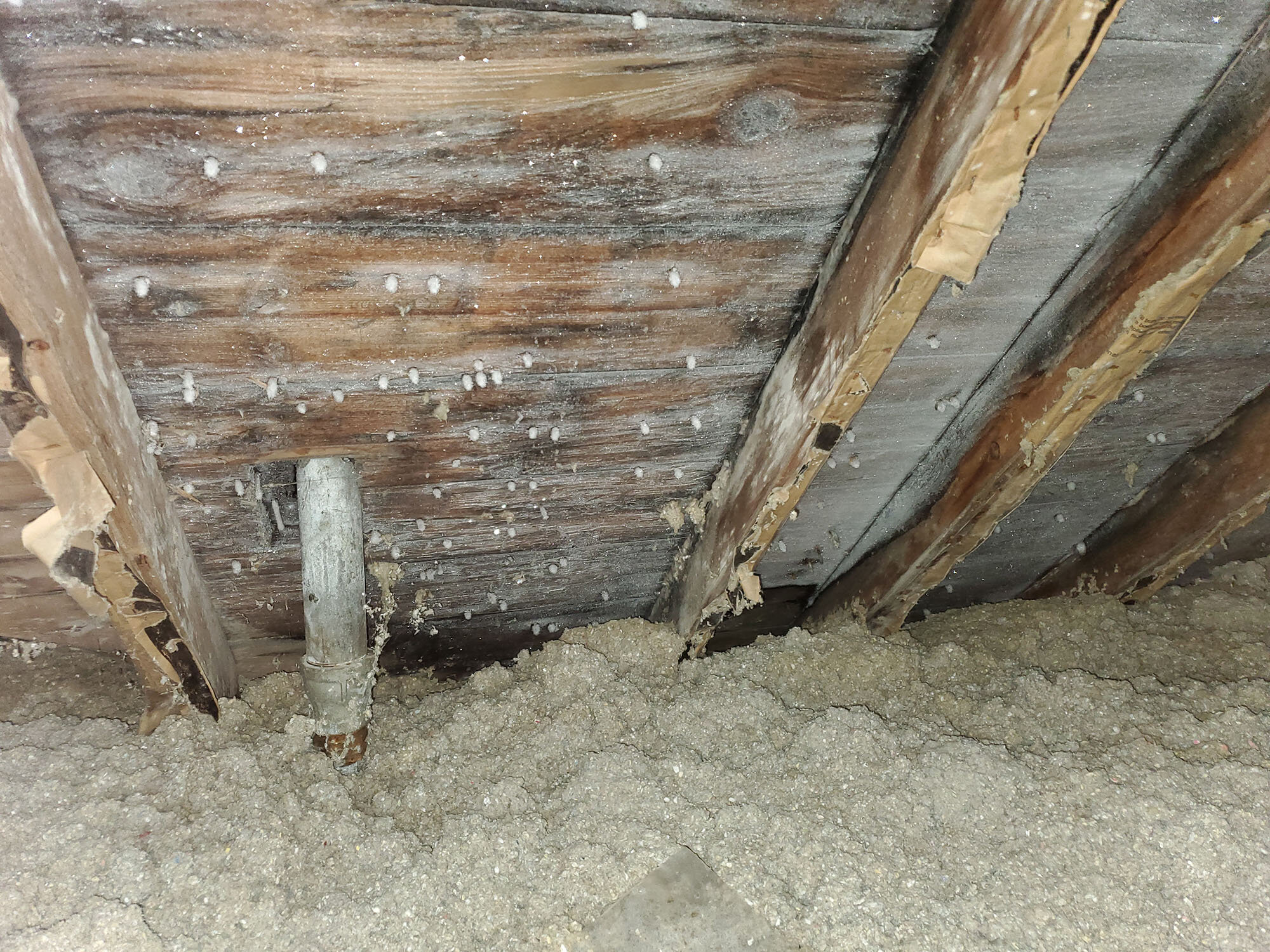
How Mold Removal Helps Homes in Lighthouse Point After Roof Leaks
Roof leaks are one of the most common ways mold begins inside homes in Lighthouse Point. At first, the problem may seem minor—a small stain on the ceiling or a damp spot in the attic—but moisture from a leaking roof can quietly spread into insulation, drywall, wood framing, and air ducts. Once mold begins growing, the issue can escalate quickly if it is not handled properly.
Understanding how mold develops after roof leaks, and how proper mold removal helps protect homes, is essential for homeowners and property managers in coastal South Florida communities.
What Happens When a Roof Leak Leads to Mold
A roof leak introduces moisture into areas of a home that are rarely inspected. Water often travels along beams, behind walls, or through insulation before it becomes visible. By the time a stain appears on a ceiling, moisture may have been present for days or even weeks.
Mold spores are naturally present in indoor air. When these spores land on damp building materials, they can begin to grow within 24 to 48 hours. Materials commonly affected include:
- Drywall and ceiling panels
- Wood framing and roof decking
- Insulation in attics
- Carpet and flooring beneath leaks
- HVAC components near ceiling cavities
Without proper removal and drying, mold can continue spreading even after the roof leak is repaired.
Why Roof Leak Mold Is So Common in Lighthouse Point
Homes in Lighthouse Point face environmental conditions that make roof leaks and mold more likely.
High humidity is present much of the year, which slows drying and allows moisture to remain trapped inside materials. Coastal air carries salt and moisture that accelerate wear on roofing materials, flashing, and seals.
Seasonal storms and heavy rains also play a major role. Wind-driven rain can push water under shingles or around roof penetrations. Older roofs, common in many neighborhoods, may have small vulnerabilities that go unnoticed until interior damage appears.
Air conditioning systems add another factor. Cool indoor air meeting humid outdoor air can create condensation in attics and ceiling cavities, increasing moisture levels where leaks have already occurred.
Common Signs Homeowners Notice After a Roof Leak
Many homeowners first recognize a problem through small but important warning signs:
- Water stains on ceilings or walls
- Peeling paint or bubbling drywall
- A persistent musty odor
- Dark spots near vents or ceiling corners
- Damp insulation in the attic
- Increased humidity indoors
These signs should never be ignored, especially after storms or periods of heavy rain.
Hidden or Overlooked Sources of Moisture
One challenge with roof leaks is that moisture rarely stays in one place. Water can travel along rafters or ceiling joists and appear several feet away from the original leak.
Other overlooked moisture sources include:
- Saturated attic insulation that holds moisture
- Air ducts exposed to humid attic air
- Roof valleys and flashing failures
- Blocked attic ventilation
- Slow leaks around skylights or vents
Because mold often develops in these concealed areas, professional inspection is often necessary to locate the full extent of damage.
Why DIY Mold Removal Usually Fails
Many homeowners attempt to clean mold with household cleaners or surface treatments. While this may remove visible staining, it rarely addresses the root of the problem.
Mold frequently grows beneath surfaces or inside porous materials. Cleaning the surface does not remove mold embedded in drywall, insulation, or wood. Moisture may also remain trapped, allowing mold to return.
Improper cleaning can even spread spores to other areas of the home. Without proper containment and drying, mold can reappear weeks later.
Professional Mold Inspection and Testing Explained
Professional mold inspection focuses on identifying the source of moisture, evaluating affected materials, and determining how far contamination has spread.
A thorough inspection may include:
- Moisture meter readings in ceilings and walls
- Infrared imaging to detect hidden damp areas
- Attic and roof cavity evaluations
- Air quality or surface sampling when needed
In Lighthouse Point homes, attic inspections are especially important because roof leaks often begin there long before signs appear indoors.
Experienced local professionals, such as teams familiar with coastal Broward County conditions like those at Pompano Mold Inspection and Testing, understand how roof leaks behave in South Florida construction and how to track moisture pathways accurately.
Proper Mold Removal and Remediation Process
Effective mold removal involves more than cleaning visible growth. A complete remediation process typically includes:
- Containment
Affected areas are isolated to prevent spores from spreading. - Removal of Damaged Materials
Saturated drywall, insulation, or carpeting may need to be removed if mold has penetrated deeply. - Cleaning and Treatment
Surfaces are cleaned using professional methods designed to remove mold safely. - Drying and Dehumidification
Industrial drying equipment removes moisture from structural materials. - Verification
Moisture levels are checked to ensure conditions no longer support mold growth.
This systematic approach ensures the problem is resolved rather than temporarily hidden.
Flood Restoration and Water Damage Repair
Roof leaks sometimes cause more extensive water damage than expected, especially if water travels into walls or down multiple levels of a home.
Water damage repair may include:
- Structural drying
- Replacement of damaged ceiling materials
- Cleaning and restoration of affected flooring
- Odor control and air filtration
Prompt restoration reduces long-term damage and helps preserve the structural integrity of the home.
Air Ducts, AC Systems, and Mold
When roof leaks occur near attic ductwork, mold can develop on or inside ducts. Moisture combined with dust inside HVAC systems creates an environment where mold can spread through airflow.
Signs of duct-related mold issues include:
- Musty smells when the AC runs
- Dust buildup around vents
- Uneven indoor humidity
Duct inspections and cleaning may be necessary when mold contamination reaches HVAC components.
How to Prevent Mold After a Roof Leak
Preventing mold requires addressing both moisture and ventilation.
Homeowners in Lighthouse Point can reduce risk by:
- Inspecting roofs annually and after storms
- Repairing small leaks immediately
- Ensuring attic ventilation is adequate
- Keeping gutters and downspouts clear
- Monitoring indoor humidity levels
- Checking ceilings and attic areas periodically
Routine inspections often detect issues early, before mold becomes extensive.
Why Local Experience Matters
Mold removal and moisture control are highly influenced by climate and building design. Coastal Florida homes behave differently from homes in dry or cold regions.
Professionals who regularly work in Lighthouse Point, Deerfield Beach, Margate, Coconut Creek, North Lauderdale, and surrounding communities understand:
- How humidity affects drying times
- Where roof leaks commonly occur in local construction
- How attic ventilation impacts moisture levels
- How coastal weather accelerates deterioration
Local knowledge helps ensure inspections are thorough and remediation is effective.
A Practical Approach for Homeowners
Roof leaks can feel stressful, but mold problems are manageable when addressed early and handled correctly. The key steps are identifying the source of moisture, removing contaminated materials safely, and restoring proper drying and ventilation.
Homeowners who act promptly after discovering a leak protect not only their property but also their long-term maintenance costs. When needed, experienced local companies such as Pompano Mold Inspection and Testing can help homeowners understand the condition of their property and the best steps for restoring a safe, dry indoor environment.
Images