How Carpet Cleaning After Water Damage Helps Homes in Fort Lauderdale During the Rainy Season
In Fort Lauderdale, the rainy season brings frequent storms, heavy humidity, and a higher risk of indoor water damage. Even minor leaks or moisture intrusion can affect carpets quickly. Carpets and padding absorb water faster than most other household materials, and if they are not cleaned and dried properly, they can develop odors, discoloration, and mold growth.
Understanding how professional carpet cleaning after water damage helps protect homes is important for homeowners and property managers throughout Fort Lauderdale and nearby Broward County communities.
What Happens to Carpets After Water Damage
Carpets are designed to be absorbent, which makes them comfortable but also vulnerable when water enters a home. When flooding, roof leaks, or plumbing issues occur, water soaks into carpet fibers and padding underneath. The padding is especially problematic because it holds moisture longer than the carpet surface.
If moisture remains trapped, it can lead to:
- Persistent damp odors
- Fiber deterioration
- Mold growth in padding or subfloor
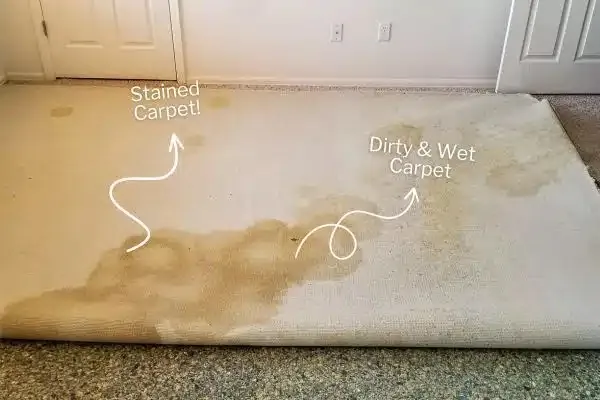
- Staining or discoloration
- Warping of nearby baseboards
Even when the carpet surface appears dry, moisture may still be present underneath.
Why This Is Common in Fort Lauderdale During the Rainy Season
Fort Lauderdale’s rainy season creates conditions where carpets are more likely to be affected by moisture. Frequent storms increase the chance of roof leaks, window leaks, and minor flooding. High humidity also slows the drying process, allowing damp materials to remain wet longer than expected.
Other contributing factors include:
- Wind-driven rain entering around doors or windows
- Plumbing leaks that go unnoticed
- AC condensation increasing indoor humidity
- Poor ventilation slowing evaporation
- Ground moisture rising in low-lying areas
Homes in nearby communities such as Pompano Beach, Lighthouse Point, and Deerfield Beach often experience similar conditions during extended rainy periods.
Common Signs Carpets Have Been Affected
Water damage to carpets may not always be obvious immediately. Homeowners often notice subtle warning signs first.
Typical signs include:
- A musty smell in certain rooms
- Damp or cool carpet areas
- Discoloration or dark patches
- Carpet fibers feeling matted or heavy
- Increased indoor humidity
These signs usually indicate that moisture has penetrated deeper than the surface.
Hidden Moisture Beneath the Carpet
One of the biggest concerns with water-damaged carpets is moisture trapped underneath. Carpet padding, tack strips, and subfloors can hold water long after the surface feels dry.
Hidden moisture may remain in:
- Padding beneath the carpet
- Wooden or concrete subfloors
- Baseboards and trim
- Adjacent drywall
If these materials remain damp, mold growth can begin within a short period.
Why DIY Carpet Drying Often Fails
Many homeowners attempt to dry carpets using household fans or by opening windows. While this may help remove surface moisture, it rarely dries padding or subfloors effectively.
Household equipment typically cannot remove deep moisture or reduce humidity quickly enough in South Florida’s humid climate. As a result, carpets may appear dry but still contain moisture that leads to odors or mold.
Professional cleaning and drying methods are designed to remove moisture from all layers of the flooring system.
Professional Carpet Cleaning and Water Extraction Explained
Professional carpet cleaning after water damage involves several steps to restore carpets safely and effectively.
The process often includes:
- Inspection and Moisture Detection
Technicians identify how far water has spread and check moisture levels in padding and subfloors. - Water Extraction
High-powered extraction equipment removes water from carpet fibers and padding. - Drying and Dehumidification
Air movers and dehumidifiers remove moisture from the carpet and surrounding air. - Deep Cleaning and Sanitizing
Cleaning removes contaminants, residues, and odors that may remain after water exposure. - Monitoring Moisture Levels
Drying progress is monitored to ensure carpets and underlying materials are fully dry.
Professionals experienced in Broward County conditions understand how humidity affects drying times and how to prevent recurring moisture problems. Specialists familiar with the area, including teams such as Pompano Mold Inspection and Testing, often identify hidden moisture patterns that help ensure thorough drying.
Mold Risks in Water-Damaged Carpets
Mold growth is one of the most common concerns after carpets become wet. Mold spores are naturally present in indoor air, and damp carpet padding provides an ideal environment for growth.
Areas at highest risk include:
- Carpet padding
- Subfloors
- Edges near walls or baseboards
- Areas under furniture
Prompt cleaning and drying significantly reduce the likelihood of mold developing.
Water Damage Repair Beyond the Carpet
In some cases, water damage extends beyond flooring materials. Moisture can affect drywall, insulation, and structural components. After carpet cleaning and drying, additional repairs may be necessary to restore the affected areas.
Water damage repair may include:
- Drying wall cavities
- Replacing damaged baseboards
- Repairing drywall
- Cleaning and deodorizing affected rooms
Addressing all affected materials helps prevent recurring moisture problems.
Indoor Air Quality and Damp Carpets
Wet carpets can affect indoor air quality by releasing odors and allowing dust and organic particles to accumulate in damp conditions. These issues often become noticeable when the AC system circulates air through affected rooms.
Cleaning and drying carpets improve indoor air conditions and reduce musty odors, helping restore a comfortable living environment.
How to Prevent Carpet Damage During the Rainy Season
Homeowners in Fort Lauderdale can reduce the risk of carpet damage by taking preventive steps:
- Inspect roofs and windows before storm season
- Address plumbing leaks immediately
- Maintain gutters and drainage systems
- Monitor indoor humidity levels
- Ensure proper ventilation in living areas
- Schedule periodic inspections after heavy storms
Routine maintenance helps identify small issues before they lead to significant damage.
Why Local Experience Matters
Carpet cleaning and water damage repair in South Florida require an understanding of local environmental conditions. High humidity, coastal air, and frequent storms create challenges that differ from those in drier climates.
Professionals with local experience understand:
- How humidity slows drying times
- Where moisture commonly accumulates in local homes
- How storm conditions affect flooring and subfloors
- How ventilation influences drying effectiveness
This knowledge helps ensure carpets are properly restored and protected from recurring damage.
A Practical Approach for Homeowners
Water-damaged carpets during the rainy season are common in Fort Lauderdale, but they can be restored effectively when addressed quickly. Removing moisture, cleaning thoroughly, and ensuring proper drying help protect flooring, indoor air quality, and structural materials.
Homeowners who respond promptly to damp carpets reduce the risk of mold growth and long-term damage. When professional evaluation is needed, experienced local specialists such as Pompano Mold Inspection and Testing can help determine the extent of moisture intrusion and recommend practical solutions tailored to Fort Lauderdale homes and surrounding Broward County communities.
Images