Understanding Flood Restoration in Pompano Beach: Expert Advice for Homeowners
Flooding is one of the most challenging problems homeowners in Pompano Beach can face. Heavy seasonal rains, tropical storms, plumbing failures, and drainage issues can quickly allow water to enter homes. While removing standing water is the first step, true flood restoration involves a careful process designed to dry, clean, and repair the affected property completely.
For homeowners, understanding how flood restoration works—and why professional restoration is important—can help prevent long-term structural damage, mold growth, and costly repairs.
What Flood Restoration Really Means
Flood restoration is more than simply removing water from floors. When flooding occurs, moisture spreads into materials such as drywall, insulation, wood framing, and flooring. These materials can hold moisture for long periods, even when surfaces appear dry.
Flood restoration focuses on:
- Removing standing water
- Drying structural materials
- Cleaning and sanitizing affected areas
- Repairing or replacing damaged materials
- Preventing mold growth
A thorough restoration process ensures the home is safe, dry, and structurally sound.
Why Flooding Happens So Often in Pompano Beach
Pompano Beach experiences weather conditions that increase the risk of flooding. Heavy rains during the wet season, tropical storms, and high humidity levels all contribute to water intrusion.
Common causes of flooding in local homes include:
- Intense rainfall overwhelming drainage systems
- Roof leaks during storms
- Plumbing failures or appliance leaks
- Blocked gutters or downspouts
- Poor grading or drainage around foundations
- Rising groundwater in low-lying areas
Nearby communities such as Lighthouse Point, Deerfield Beach, Margate, and Coconut Creek often experience similar conditions due to the shared coastal climate.
Common Signs of Flood Damage
Flood damage may be obvious immediately after water intrusion, but some of the most serious problems appear later.
Homeowners often notice:
- Musty or damp odors
- Stains on walls or ceilings
- Warped flooring or baseboards
- Peeling paint
- Damp carpets or padding
- Increased indoor humidity
These signs often indicate that moisture remains trapped in building materials.
Hidden Moisture After Flooding
One of the biggest challenges in flood restoration is identifying moisture that cannot be seen. Water can travel behind walls, under flooring, and into insulation without leaving visible signs.
Common hidden areas include:
- Wall cavities
- Subfloors
- Attic insulation
- Air ducts
- Baseboards and trim
If these areas are not properly dried, mold growth may begin within a short period.
Why DIY Flood Cleanup Often Falls Short
Many homeowners attempt to dry flooded areas using fans or small dehumidifiers. While this may help remove surface moisture, it rarely dries materials deep inside walls and floors.
Drywall, wood, and insulation can retain moisture internally. Without specialized drying equipment and moisture detection tools, hidden dampness may remain and cause problems weeks later.
Incomplete drying is one of the most common reasons mold develops after flooding.
Professional Flood Inspection and Assessment
Flood restoration begins with a detailed inspection to determine how far water has spread and which materials are affected.
This process often includes:
- Moisture meter readings in walls and floors
- Infrared imaging to detect hidden moisture
- Inspection of insulation and structural materials
- Evaluation of HVAC systems affected by water
Professionals familiar with Broward County homes understand how humidity influences drying and how water moves through common building materials.
Experienced local specialists, including teams such as Pompano Mold Inspection and Testing, often identify patterns of moisture damage quickly because of their experience working in Pompano Beach and surrounding communities.
The Flood Restoration Process
Flood restoration typically involves several stages designed to restore the home safely and effectively.
1. Water Extraction
High-capacity pumps and extraction equipment remove standing water from floors, carpets, and other surfaces.
2. Structural Drying
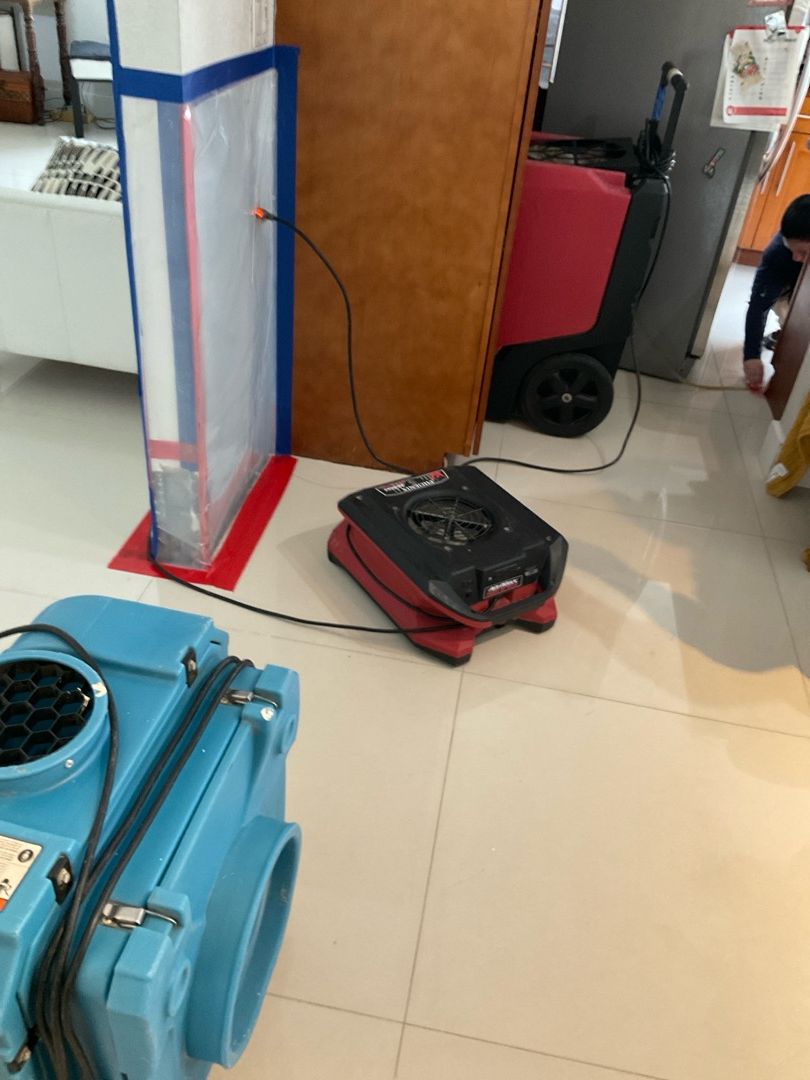
Air movers and dehumidifiers are used to remove moisture from walls, ceilings, and flooring. This step may take several days depending on the extent of damage.
3. Cleaning and Sanitizing
Floodwater may carry contaminants, so affected surfaces are cleaned and sanitized to restore safe conditions.
4. Removal of Damaged Materials
Some materials, such as heavily saturated drywall or insulation, may need to be removed and replaced.
5. Monitoring and Verification
Moisture levels are checked regularly to confirm that materials are fully dry before repairs are completed.
This structured process ensures that the home is properly restored rather than temporarily repaired.
Mold Risks After Flooding
Mold growth is one of the most common secondary problems following a flood. Mold spores are naturally present in indoor air, and damp materials provide ideal conditions for growth.
Areas at highest risk include:
- Carpet padding
- Drywall and insulation
- Ceiling cavities
- Areas around vents
Prompt water removal and drying significantly reduce the likelihood of mold developing.
HVAC Systems and Air Ducts After Flooding
Flooding and high humidity can affect HVAC systems, especially when moisture enters ductwork or insulation. Damp ducts may reduce airflow efficiency and contribute to odors or contamination.
Signs of duct-related moisture problems include:
- Musty smells when the AC runs
- Dust buildup around vents
- Uneven airflow
Inspection and cleaning of duct systems may be necessary to restore proper airflow and indoor air quality.
Water Damage Repair and Structural Restoration
After drying is complete, repairs may be necessary to restore the home to its original condition.
Restoration may include:
- Replacing drywall or ceiling materials
- Repairing flooring or baseboards
- Installing new insulation
- Painting and finishing surfaces
Proper restoration prevents long-term structural problems and helps maintain property value.
How Homeowners Can Reduce Flood Risks
While flooding cannot always be prevented, homeowners in Pompano Beach can reduce the likelihood of severe damage by taking preventive steps:
- Inspect roofs regularly
- Keep gutters and drainage systems clear
- Maintain proper grading around the home
- Check plumbing systems periodically
- Monitor indoor humidity levels
- Address small leaks immediately
Routine maintenance often prevents minor issues from turning into major repairs.
Why Local Experience Matters
Flood restoration in South Florida requires understanding how humidity, storms, and coastal conditions affect homes. Drying methods that work in dry climates may not be sufficient in humid coastal environments.
Professionals with local experience understand:
- How humidity slows drying times
- Where water commonly travels in local homes
- How attic ventilation affects moisture levels
- How seasonal storms increase intrusion risks
This knowledge helps ensure thorough drying and effective restoration.
A Practical Approach for Homeowners
Flooding can be overwhelming, but prompt action makes a significant difference. Removing water quickly, drying affected materials thoroughly, and repairing damage early helps protect both the structure of the home and long-term maintenance costs.
Homeowners who respond quickly reduce the risk of mold growth and structural damage. When professional evaluation is needed, experienced local specialists such as Pompano Mold Inspection and Testing can help identify moisture sources and recommend practical solutions tailored to homes in Pompano Beach and surrounding Broward County communities.
Images