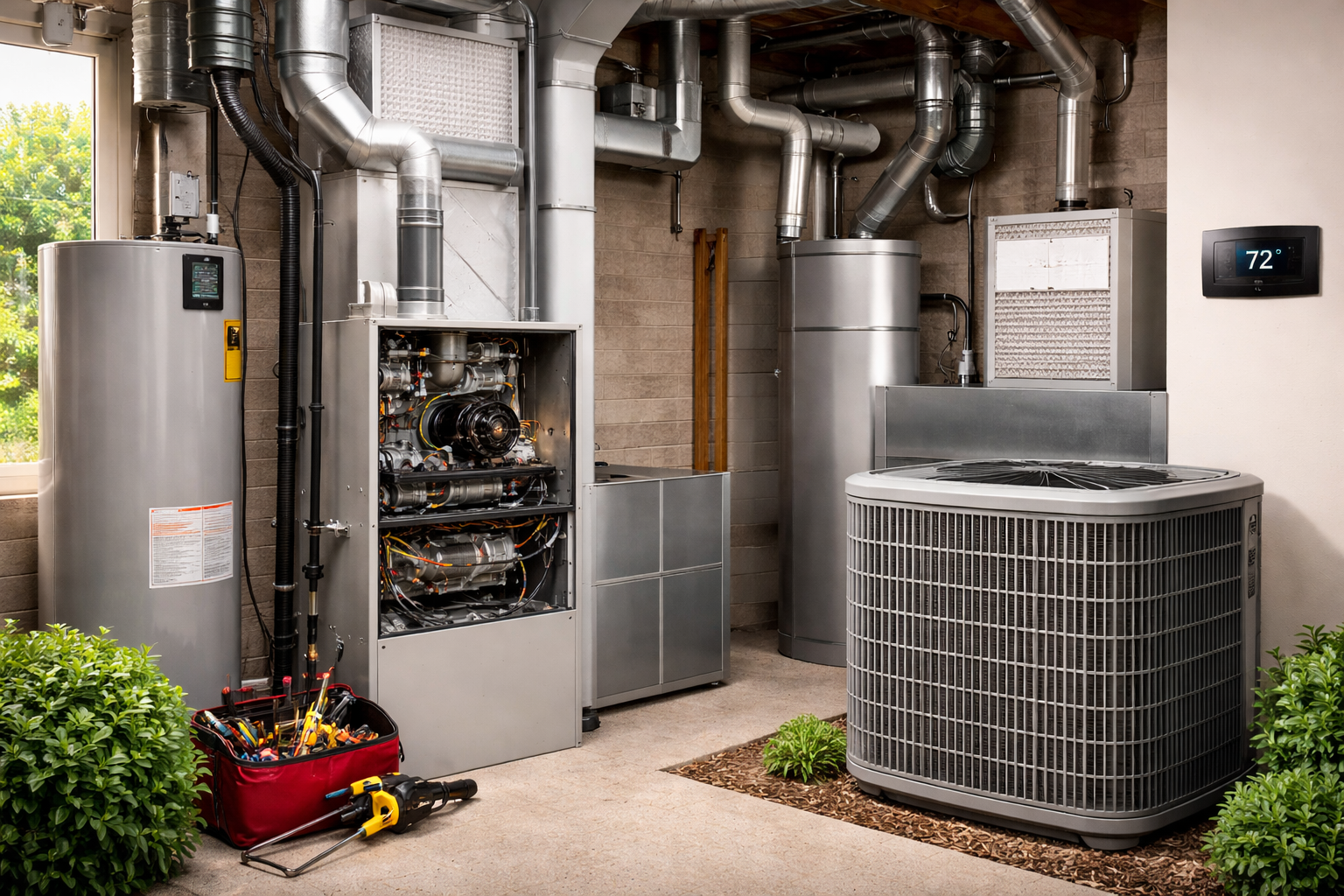
Property Owner Guide to Indoor Air Quality Improvement in Lighthouse Point
Indoor air quality is an important part of maintaining a healthy and comfortable home, especially in coastal communities like Lighthouse Point. While many homeowners focus on temperature control, the quality of the air circulating inside a property plays an equally important role. High humidity, moisture buildup, dust accumulation, and ventilation problems can all affect indoor air over time.
For property owners, understanding how indoor air quality problems develop and how to improve them helps protect both the home and long-term property value.
What Indoor Air Quality Means in a Coastal Home
Indoor air quality refers to the cleanliness, moisture balance, and circulation of the air inside a home. In Lighthouse Point, humidity and salt air from the coastal environment can introduce additional moisture into living spaces. When humidity remains high or airflow is restricted, airborne particles and moisture can accumulate.
Poor indoor air quality often results from a combination of factors, including moisture intrusion, dust buildup, and inadequate ventilation. These issues can develop gradually, often without obvious warning signs at first.
Why Indoor Air Quality Problems Are Common in Lighthouse Point
Homes in Lighthouse Point are exposed to environmental conditions that naturally affect indoor air. High humidity persists throughout much of the year, and frequent storms increase moisture levels in attics, crawl spaces, and duct systems.
Several local factors contribute to indoor air quality issues:
- Continuous air-conditioning use
- Condensation from HVAC systems
- Coastal humidity and salt air
- Roof leaks or minor water intrusion
- Poor attic ventilation
- Dust and debris inside duct systems
Nearby communities such as Deerfield Beach, Pompano Beach, and Lauderdale-by-the-Sea often experience similar challenges due to shared climate conditions.
Common Signs of Indoor Air Quality Problems
Indoor air quality issues often appear gradually. Property owners may notice small changes before recognizing a larger problem.
Typical signs include:
- Musty or stale odors
- Rooms that feel humid or damp
- Dust buildup around vents
- Uneven airflow
- Condensation on windows or vents
- Persistent odors after cleaning
These signs often indicate that moisture or contaminants are circulating through the indoor air.
Hidden Sources That Affect Indoor Air
Many indoor air quality problems originate in areas that are rarely inspected. Moisture or debris in concealed spaces can affect air circulation throughout the home.
Common hidden sources include:
- Damp attic insulation
- Air ducts containing dust or moisture
- AC drain line clogs
- Minor roof leaks
- Moisture trapped behind walls
- Poorly ventilated bathrooms or laundry rooms
Because these sources are not always visible, professional inspection may be necessary to identify the cause.
Why Indoor Air Quality Matters for Property Owners
Improving indoor air quality is not only about comfort. Long-term moisture and air circulation problems can affect building materials and lead to costly repairs if ignored.
Maintaining good indoor air quality helps:
- Reduce moisture-related damage
- Protect drywall and insulation
- Prevent odors and contamination
- Improve HVAC efficiency
- Maintain property value
Addressing air quality issues early often prevents larger restoration work later.
Professional Indoor Air Quality Assessment
A professional indoor air quality assessment focuses on identifying moisture sources, evaluating airflow, and locating areas where contaminants may accumulate.
An inspection may include:
- Measuring indoor humidity levels
- Inspecting ductwork and ventilation systems
- Checking attics and insulation
- Detecting hidden moisture in walls or ceilings
- Evaluating HVAC performance
Professionals experienced in Broward County homes understand how coastal humidity and construction patterns affect indoor air conditions. Specialists familiar with the region, including teams such as Pompano Mold Inspection and Testing, often identify recurring moisture patterns that help pinpoint issues quickly.
Indoor Air Quality Improvement Solutions
Improving indoor air quality usually involves a combination of corrective steps rather than a single repair.
Common solutions include:
Moisture Control
Repairing leaks, improving drainage, and addressing condensation problems reduce humidity levels.
Ventilation Improvements
Enhancing airflow in attics, bathrooms, and living spaces helps remove humid air.
Air Duct Cleaning
Removing dust and debris from ducts improves airflow and reduces airborne particles.
HVAC Maintenance
Cleaning coils, clearing drain lines, and replacing filters help maintain efficient airflow and humidity control.
Structural Drying When Needed
If moisture has affected building materials, drying equipment may be used to remove trapped moisture.
These steps help restore balanced humidity and cleaner indoor air.
The Role of Mold Prevention
Indoor air quality and mold prevention are closely connected. Mold spores are naturally present in the environment, but they require moisture to grow. By controlling humidity and addressing moisture problems, homeowners reduce the likelihood of mold developing.
If mold is discovered, removal and remediation may be necessary to restore indoor conditions and prevent further spread.
Water Damage and Indoor Air Quality
Past water damage can continue affecting indoor air quality long after surfaces appear dry. Moisture trapped in drywall, insulation, or flooring may slowly release humidity into the air.
Water damage repair may include:
- Structural drying
- Removal of damaged materials
- Cleaning and deodorizing affected areas
- Repairing insulation or drywall
Addressing these issues helps restore normal indoor air conditions.
HVAC Systems and Air Circulation
Air conditioning systems play a major role in maintaining indoor air quality in Lighthouse Point homes. When HVAC systems are not maintained properly, airflow may be restricted and condensation problems may develop.
Routine HVAC maintenance helps:
- Improve airflow
- Reduce humidity
- Prevent condensation buildup
- Maintain consistent cooling
Properly functioning systems are essential for healthy indoor air.
Prevention Tips for Property Owners
Property owners can take several practical steps to improve and maintain indoor air quality:
- Replace AC filters regularly
- Schedule periodic HVAC inspections
- Inspect attics for moisture or leaks
- Maintain roof and flashing
- Ensure proper attic ventilation
- Monitor indoor humidity levels
Routine maintenance often prevents small issues from becoming larger problems.
Why Local Experience Matters
Indoor air quality improvement in coastal South Florida requires understanding local climate patterns and construction methods. Homes in Lighthouse Point face conditions that differ from homes in dry or cold regions.
Professionals with local experience understand:
- How humidity affects insulation and drywall
- Where condensation commonly forms
- How attic ventilation influences moisture levels
- How seasonal storms impact indoor conditions
This knowledge helps ensure that improvements address the root cause of air quality issues rather than temporary symptoms.
A Practical Approach for Property Owners
Indoor air quality problems often develop slowly, but they can be effectively addressed with early detection and proper maintenance. Identifying moisture sources, improving ventilation, and maintaining HVAC systems help protect both the comfort and structure of a home.
Property owners who monitor humidity levels and respond quickly to warning signs reduce the risk of mold growth, odors, and long-term damage. When professional evaluation is needed, experienced local specialists such as Pompano Mold Inspection and Testing can help identify underlying issues and recommend practical solutions tailored to homes in Lighthouse Point and surrounding Broward County communities.
Images