How Water Damage Repair Helps Homes in North Lauderdale from Poor Ventilation
Water damage is often associated with storms, burst pipes, or flooding, but in many North Lauderdale homes, the real cause is much quieter. Poor ventilation allows moisture to accumulate indoors, and over time that trapped humidity can damage ceilings, drywall, flooring, insulation, and even structural components. Because the process happens gradually, homeowners may not notice the problem until repairs become necessary.
Understanding how poor ventilation leads to water damage—and how proper repair restores and protects a home—helps property owners make informed decisions and prevent long-term issues.
What Water Damage from Poor Ventilation Is
Water damage from poor ventilation occurs when moisture becomes trapped inside a home instead of being removed through airflow or exhaust systems. Everyday activities such as showering, cooking, laundry, and running air conditioning all produce moisture. Without proper ventilation, that moisture settles on surfaces and slowly soaks into building materials.
Bathrooms without functional exhaust fans, attics with blocked vents, laundry areas with limited airflow, and tightly sealed homes are common locations where moisture accumulates. Over time, materials remain damp long enough to weaken, discolor, or develop mold growth.
Unlike sudden leaks, this type of damage develops slowly, which is why it often goes unnoticed until visible signs appear.
Why This Happens So Often in North Lauderdale
North Lauderdale’s climate plays a major role in ventilation-related water damage. High humidity levels are present most of the year, and during the rainy season, moisture levels increase even further. Outdoor air already contains a large amount of moisture, and when ventilation is inadequate, indoor humidity rises quickly.
Air conditioning systems run frequently in South Florida homes, producing condensation that must drain properly. When airflow is restricted or drain lines clog, moisture can accumulate in ducts, air handlers, or ceilings near vents.
Older homes may have outdated ventilation systems or insufficient attic airflow, while newer homes are often tightly sealed for energy efficiency, which can limit natural air exchange. Both conditions increase the likelihood of moisture buildup.
Common Signs Homeowners Notice
Ventilation-related water damage usually begins with small warning signs. Homeowners in North Lauderdale often notice:
- Musty or damp odors in certain rooms
- Peeling paint or bubbling drywall
- Stains on ceilings or upper walls
- Condensation on windows or vents
- Warped baseboards or flooring
- Rooms that feel persistently humid
These symptoms may appear minor, but they often indicate hidden moisture behind walls or above ceilings.
Hidden or Overlooked Sources
Some of the most significant moisture problems develop in areas that are rarely inspected. Attics are a common source because warm, humid air rises and becomes trapped when ventilation is inadequate. Insulation can retain moisture for long periods, slowly affecting nearby materials.
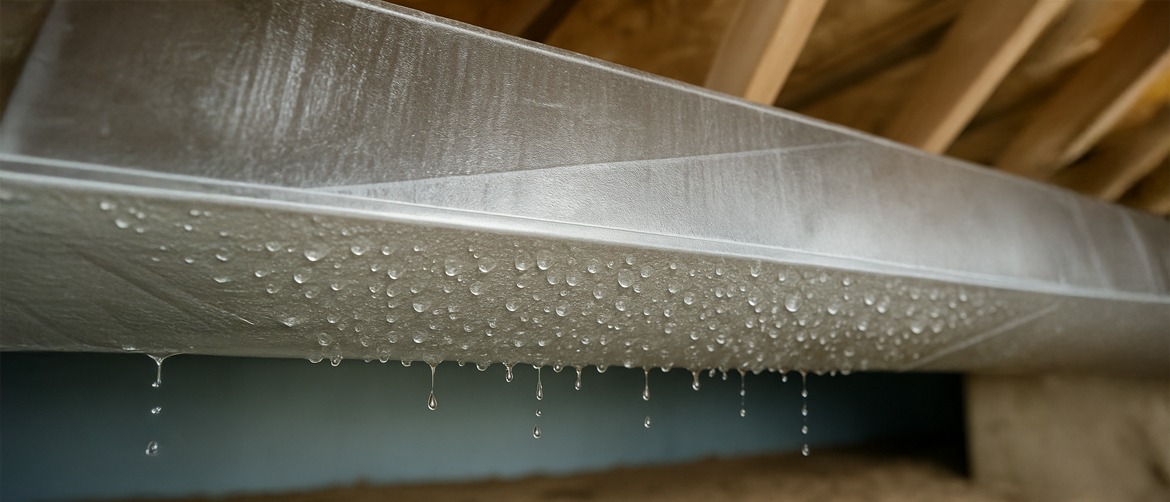
Air ducts and HVAC systems are another hidden source. Condensation can form when ducts are poorly insulated or airflow is restricted. That moisture can spread to ceilings, walls, or surrounding materials.
Closets along exterior walls, cabinets under sinks, and laundry rooms are also areas where airflow is limited, allowing humidity to build up unnoticed.
Why DIY Repairs Usually Fail
When homeowners notice stains or minor damage, it is natural to clean or repaint affected areas. Unfortunately, surface repairs rarely address the underlying cause. Moisture trapped behind walls or inside insulation continues to spread, and damage often returns.
Household fans and portable dehumidifiers can reduce humidity temporarily but cannot remove moisture that has already soaked into building materials. Without identifying the source and thoroughly drying affected areas, repairs may only be temporary.
In some cases, covering damp materials can actually trap moisture further, increasing the risk of mold and structural deterioration.
Professional Mold Inspection and Testing Explained
Professional inspection is an important step in understanding ventilation-related water damage. Inspectors evaluate humidity levels, check hidden areas, and use specialized equipment to detect moisture behind walls, under flooring, and inside ceilings.
Moisture meters and thermal imaging tools help identify damp areas that are not visible to the naked eye. When necessary, mold testing may be performed to determine whether microbial growth is present.
Professionals with local experience, such as Pompano Mold Inspection and Testing, often find that poor ventilation is a major contributing factor in water damage cases across North Lauderdale and nearby communities.
Proper Water Damage Repair and Restoration Process
Effective repair involves more than drying visible surfaces. A thorough process typically includes:
- Identifying the source of moisture
- Measuring moisture levels in affected materials
- Removing damaged materials when necessary
- Drying and dehumidifying the structure
- Cleaning and treating affected areas
- Repairing drywall, ceilings, or flooring
- Improving ventilation to prevent recurrence
This approach ensures that repairs are long-lasting and that moisture does not return.
Flood Restoration and Water Damage Repair Techniques
Even when flooding is not involved, restoration techniques used in ventilation-related cases are similar to those used in water damage restoration. Controlled drying, monitoring moisture levels, and restoring materials are essential steps.
Drywall, insulation, and wood framing are particularly vulnerable to prolonged moisture exposure. Proper drying prevents structural weakening and reduces the risk of mold growth.
Air Ducts, AC Systems, and Mold Risk
HVAC systems are closely connected to indoor moisture levels. Dirty or clogged ducts can restrict airflow, allowing condensation to accumulate. Poor insulation around ducts can also cause moisture to form when cool air passes through warm spaces.
Regular air duct cleaning and AC maintenance help improve airflow and reduce condensation problems. Ensuring that drain lines are clear and that systems are functioning properly helps prevent moisture from spreading through the home.
How to Prevent Water Damage from Poor Ventilation
Preventive steps can significantly reduce the risk of moisture problems in North Lauderdale homes:
- Use exhaust fans during showers and cooking
- Ensure attic vents are clear and functional
- Replace HVAC filters regularly
- Schedule periodic duct inspections
- Keep AC drain lines clean
- Monitor indoor humidity levels
- Address minor leaks promptly
Routine maintenance and good airflow are key factors in preventing long-term damage.
Why Local Experience Matters
Homes in North Lauderdale, Margate, Coconut Creek, and nearby Broward County communities share similar climate conditions and construction features. Professionals familiar with these factors understand where moisture problems are most likely to develop and how ventilation issues affect local homes.
Pompano Mold Inspection and Testing has worked with many property owners dealing with hidden moisture caused by poor ventilation. Local knowledge helps ensure inspections are thorough and repairs address the root cause rather than temporary symptoms.
A Practical Path Forward for Homeowners
Water damage caused by poor ventilation can be frustrating because it develops slowly and often goes unnoticed. The good news is that with proper inspection, drying, and repair, homes can be restored effectively and protected from future issues.
Addressing ventilation problems early, maintaining HVAC systems, and responding quickly to signs of moisture help homeowners in North Lauderdale protect their property and maintain comfortable indoor conditions year-round.