Water Testing Solutions for Homes in Deerfield Beach: What Property Owners Should Know
Water intrusion is one of the most common issues affecting homes in Deerfield Beach. Heavy rain, plumbing leaks, roof damage, and high humidity can all introduce moisture into areas where it may not be visible right away. While standing water is often removed quickly, hidden moisture can remain inside walls, insulation, and flooring. Water testing helps property owners understand the full extent of moisture problems and take the right steps to prevent long-term damage.
Knowing how water testing works and why it matters helps homeowners protect both their property and indoor environment.
What Water Testing Means for Homeowners
Water testing is the process of evaluating moisture levels, identifying possible contamination, and locating areas affected by water intrusion. It is not limited to visible damage. Testing often focuses on areas that appear dry but may still contain hidden moisture.
Water testing can help determine:
- Whether building materials are still damp
- Where water entered the home
- Whether mold growth conditions exist
- Which areas require drying or repair
- Whether additional restoration steps are needed
This information allows property owners to make informed decisions about repairs and prevention.
Why Water Intrusion Is Common in Deerfield Beach
Deerfield Beach’s coastal location makes moisture-related problems more likely. High humidity levels slow the drying process, and storms can introduce water through roofs, windows, or foundations.
Several local conditions increase the risk of water damage:
- Seasonal storms and heavy rainfall
- Coastal humidity and salt air
- Aging roofs or flashing
- Poor drainage around foundations
- Plumbing leaks or appliance failures
Homes in nearby Lighthouse Point, Pompano Beach, and Coconut Creek often experience similar conditions due to the shared South Florida climate.
Situations When Water Testing Is Recommended
Water testing is useful whenever there is a possibility that moisture has entered a home, even if no visible damage is present.
Property owners often request water testing after:
- Roof leaks during storms
- Flooding or water entering from outside
- Plumbing leaks or burst pipes
- Damp odors that persist after cleaning
- High indoor humidity levels
- Water stains on ceilings or walls
Testing helps confirm whether moisture remains in structural materials.
Warning Signs That Hidden Moisture May Be Present
Water damage is not always obvious. Some of the most important signs appear gradually.
Homeowners should watch for:
- Musty or damp odors
- Warped flooring or baseboards
- Peeling paint or bubbling drywall
- Persistent humidity indoors
- Discoloration on ceilings or walls
- Damp carpets or rugs
These signs often indicate moisture trapped inside building materials.
Hidden Areas Where Moisture Often Remains
One of the biggest challenges after water intrusion is identifying areas where moisture remains hidden.
Common locations include:
- Wall cavities and insulation
- Subfloors beneath tile or carpet
- Attic insulation affected by roof leaks
- Air ducts exposed to humid air
- Baseboards and trim
If these areas are not properly dried, mold growth and structural damage can occur over time.
Why Visual Inspections Are Not Enough
Homeowners sometimes assume that if surfaces look dry, the problem has been resolved. However, drywall, insulation, and wood can retain moisture internally without visible signs.
Professional water testing uses tools designed to detect moisture beneath surfaces. This allows property owners to identify problems before they become serious.
How Professional Water Testing Works
Water testing typically follows a structured process to ensure all affected areas are evaluated.
Initial Assessment
The process begins with a visual inspection of the property. Areas showing stains, discoloration, or signs of water intrusion are examined closely. Inspectors also evaluate conditions that may allow moisture to enter, such as roof damage or plumbing issues.
Moisture Detection
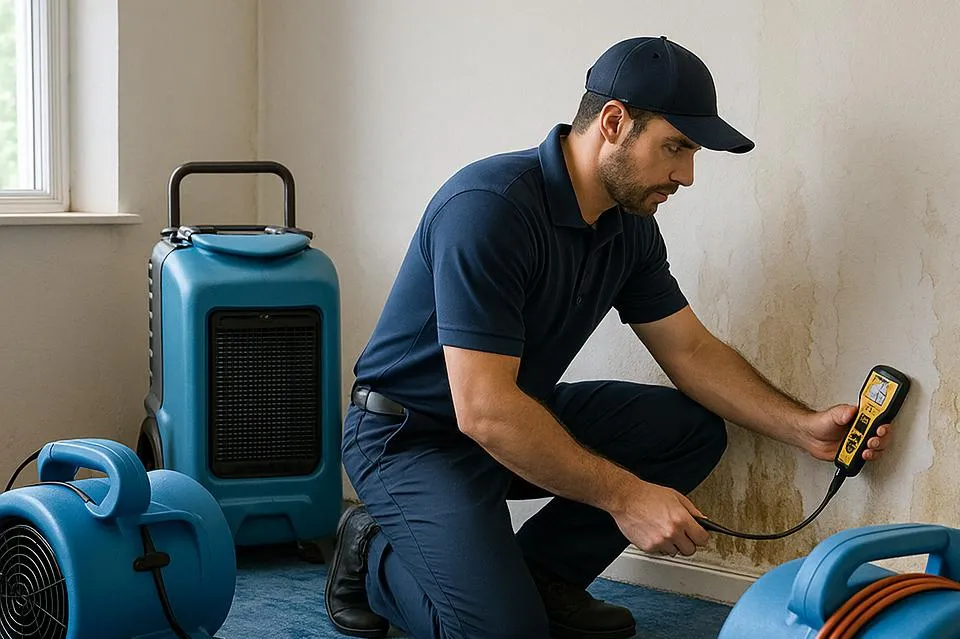
Moisture meters are used to measure moisture levels in walls, ceilings, and flooring. Infrared imaging may also be used to locate damp areas that cannot be seen.
This step helps determine how far water has spread.
Humidity and Ventilation Evaluation
Indoor humidity levels are measured to determine whether conditions support mold growth. Ventilation and airflow are also evaluated to identify factors that may slow drying.
Inspection of Attics, Insulation, and Duct Systems
Attics and duct systems are checked for moisture because these areas often retain humidity after leaks or storms. Wet insulation or damp ducts can continue affecting indoor conditions even after visible water is gone.
Professionals familiar with Broward County homes understand how coastal weather and humidity influence moisture behavior. Experienced local specialists, including teams such as Pompano Mold Inspection and Testing, often recognize patterns of water intrusion that help pinpoint problems quickly.
Recommendations and Next Steps
After testing is complete, property owners receive guidance on drying, repairs, or further restoration if needed. Recommendations may include structural drying, insulation replacement, or water damage repair.
This step ensures the problem is addressed completely rather than temporarily.
Risks of Skipping Water Testing
Failing to test for moisture after leaks or flooding can lead to long-term problems that may not appear immediately.
Potential risks include:
- Mold growth in hidden areas
- Structural weakening of drywall or wood
- Persistent odors
- Reduced indoor air quality
- Recurring stains or moisture problems
Water testing helps identify these risks early and prevent further damage.
Water Damage Repair After Testing
If testing reveals significant moisture, water damage repair may be necessary. Restoration typically involves:
- Water extraction when needed
- Structural drying using air movers and dehumidifiers
- Removal of damaged insulation or drywall
- Cleaning and deodorizing affected areas
Proper drying and repair help restore safe indoor conditions and prevent recurring moisture issues.
HVAC Systems and Indoor Air Quality
Water intrusion often affects HVAC systems, especially when ducts or insulation are exposed to moisture. Damp ducts may contribute to odors and reduced airflow.
Inspection and cleaning of duct systems may be recommended after water testing to restore indoor air quality and system efficiency.
Preventing Future Water Problems
Property owners in Deerfield Beach can reduce the likelihood of water damage by taking preventive steps:
- Inspect roofs regularly, especially after storms
- Maintain gutters and drainage systems
- Check plumbing connections periodically
- Monitor indoor humidity levels
- Ensure proper attic ventilation
- Schedule inspections after heavy rainfall
Routine maintenance often prevents small issues from becoming costly repairs.
Why Local Experience Matters
Water testing and moisture control in coastal South Florida require understanding local climate patterns and construction methods. Homes in Deerfield Beach experience high humidity, heavy seasonal rains, and frequent storms.
Professionals with local experience understand:
- How humidity slows drying times
- Where water intrusion commonly occurs
- How attic ventilation influences moisture buildup
- How storms affect roofing and drainage systems
This knowledge helps ensure testing and restoration are thorough and effective.
A Practical Approach for Property Owners
Water intrusion is not always obvious, but its effects can be serious if left unaddressed. Water testing provides a clear understanding of moisture conditions inside a home and helps guide proper restoration when necessary.
Property owners who respond quickly to leaks, flooding, or signs of moisture reduce the risk of mold growth, structural damage, and indoor air quality problems. When professional evaluation is needed, experienced local specialists such as Pompano Mold Inspection and Testing can help identify hidden moisture issues and recommend practical solutions tailored to homes in Deerfield Beach and surrounding Broward County communities.
Images