Moisture Detection in Lighthouse Point: Costs, Causes, and Solutions
Moisture problems are one of the most common hidden issues affecting homes in Lighthouse Point. Because much of the damage happens slowly and out of sight, many homeowners don’t realize there is a problem until stains, odors, or structural damage appear. Moisture detection helps identify these problems early, allowing property owners to take action before repairs become extensive or costly.
In coastal South Florida communities like Lighthouse Point, moisture is not just an occasional concern—it is a year-round reality. Understanding what causes moisture buildup, what detection involves, and how problems are resolved helps homeowners protect their property and maintain healthy indoor conditions.
What Moisture Detection Really Means
Moisture detection is the process of locating hidden water or elevated humidity levels inside a home. Unlike visible leaks or flooding, many moisture problems develop behind walls, beneath flooring, or inside ceilings and duct systems.
Professional detection involves the use of specialized equipment that can identify damp materials, measure humidity levels, and locate areas where moisture is trapped. This allows property owners to address the root cause rather than treating only the visible symptoms.
Moisture detection is commonly used in situations involving suspected leaks, musty odors, unexplained staining, or concerns about mold growth.
Why Moisture Problems Are Common in Lighthouse Point
Lighthouse Point’s coastal climate plays a major role in moisture buildup. High humidity levels persist throughout most of the year, and frequent storms increase moisture both indoors and outdoors. Even when no leaks are present, humidity alone can introduce moisture into building materials.
Air conditioning systems also contribute to moisture challenges. AC units remove humidity from indoor air, but condensation forms during this process. If drain lines become clogged or airflow is restricted, moisture can accumulate in hidden areas.
Older homes in Lighthouse Point may have outdated ventilation systems or insulation that allows humid air to enter attics and wall cavities. Newer homes, while energy-efficient, are often tightly sealed, which can reduce natural airflow and allow humidity to linger indoors.
Common Causes of Moisture in Homes
Several sources contribute to indoor moisture problems in Lighthouse Point homes:
- Roof leaks after heavy rain or storms
- Plumbing leaks inside walls or under sinks
- AC condensation and clogged drain lines
- Poor attic ventilation
- Humid air entering through gaps or poorly sealed windows
- Flooding or water intrusion during severe weather
- Poor ventilation in bathrooms and kitchens
Often, more than one of these factors is present at the same time, making professional inspection especially valuable.
Signs Homeowners Should Watch For
Moisture problems often begin subtly. Many homeowners first notice small changes that may not immediately seem serious. Common warning signs include:
- Musty or damp odors
- Peeling paint or wallpaper
- Warping wood or laminate flooring
- Dark spots on ceilings or walls
- Condensation on windows or vents
- Increased indoor humidity
These symptoms usually indicate moisture trapped in materials rather than surface condensation alone.
Hidden Sources That Are Often Overlooked
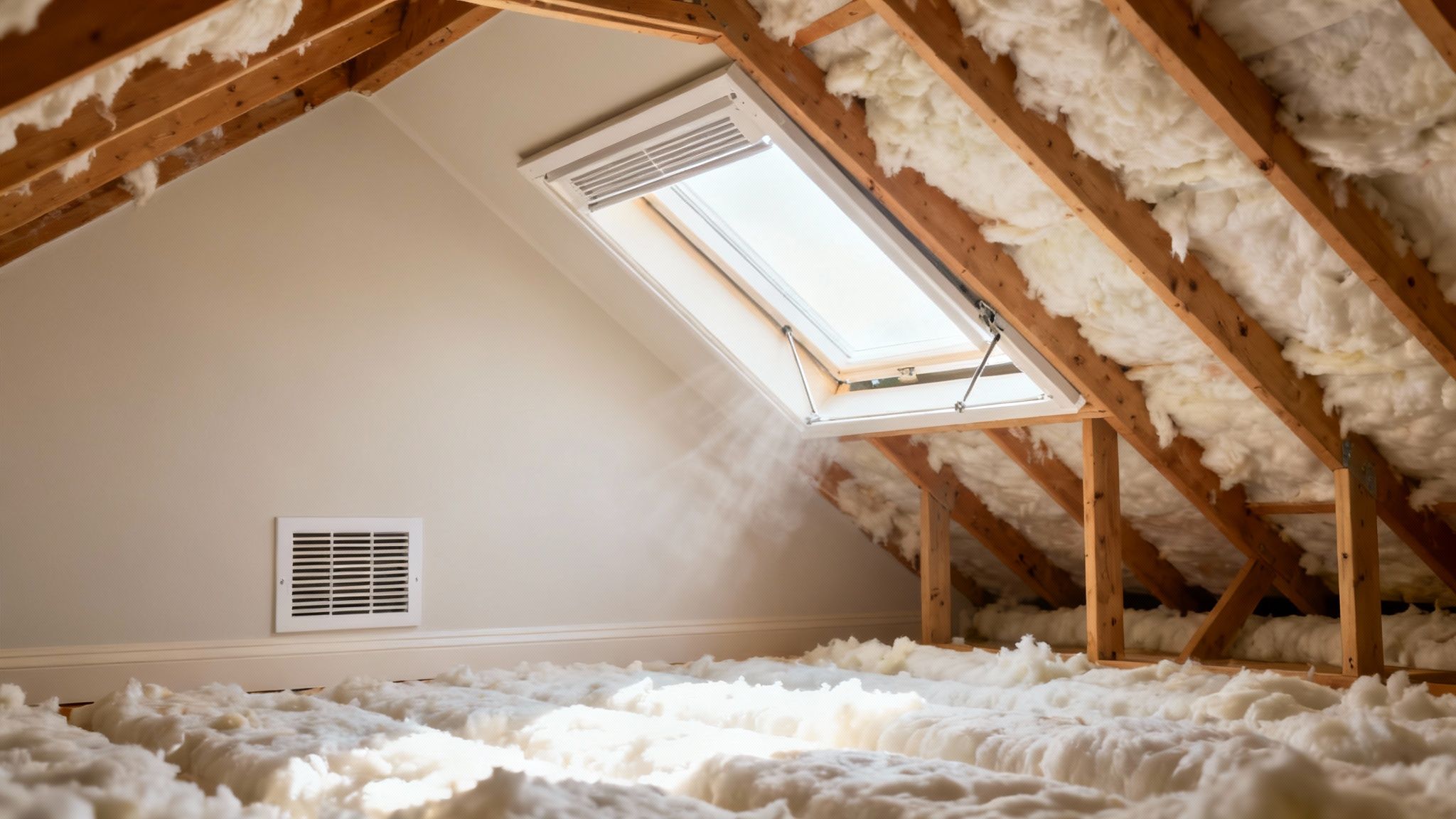
Some of the most significant moisture issues occur in areas homeowners rarely inspect. Attics are a frequent problem zone because warm, humid air rises and becomes trapped when ventilation is inadequate.
Air ducts and HVAC systems are another hidden source. Condensation can form inside ducts, particularly when insulation is damaged or airflow is uneven. Crawl spaces, closets on exterior walls, and areas behind appliances can also retain moisture without obvious signs.
In multi-story homes, moisture may travel along framing and appear far from the original source, making detection more complex.
The Cost of Moisture Detection in Lighthouse Point
Moisture detection costs vary depending on the size of the property, the complexity of the inspection, and whether additional testing is required. Smaller residential inspections are generally less expensive, while larger homes or commercial properties require more extensive evaluation.
Although some homeowners hesitate because of inspection costs, early detection often prevents far more expensive repairs later. Identifying moisture before structural materials deteriorate or mold develops can significantly reduce long-term expenses.
In many cases, inspections also reveal ventilation or drainage issues that can be corrected quickly, preventing future damage.
Why DIY Moisture Detection Often Misses the Problem
Homeowners sometimes attempt to locate moisture problems using visual inspection or basic humidity meters. While these tools can be helpful, they rarely detect moisture hidden inside walls, under flooring, or within insulation.
Surface dryness does not always mean materials beneath are dry. Moisture can remain trapped long after visible signs disappear. Without professional equipment and experience, it is easy to overlook the true extent of a problem.
DIY approaches also rarely identify the underlying cause, which is essential for preventing recurrence.
Professional Moisture Detection Explained
Professional inspectors use a combination of methods to evaluate a property thoroughly. These may include:
- Moisture meters to measure dampness in materials
- Thermal imaging to locate hidden moisture patterns
- Humidity testing to evaluate indoor air conditions
- Visual inspection of roofing, plumbing, and HVAC systems
This comprehensive approach ensures that both visible and hidden sources are identified. In many Lighthouse Point homes, inspections reveal moisture in areas homeowners would never think to check.
Companies such as Pompano Mold Inspection and Testing frequently perform these detailed evaluations across Lighthouse Point, Deerfield Beach, and nearby communities, helping property owners understand the full picture before repairs begin.
How Moisture Problems Are Resolved
Once moisture sources are identified, solutions depend on the cause. Repairs may involve fixing leaks, improving ventilation, cleaning or sealing ductwork, or replacing damaged materials.
Drying affected areas is a critical step. Professional drying equipment removes moisture from building materials, preventing further deterioration. In some cases, insulation or drywall may need to be replaced if saturation is severe.
Addressing the underlying cause is essential. Without correcting ventilation issues, drainage problems, or leaks, moisture is likely to return.
The Role of Mold Inspection and Remediation
Moisture and mold are closely related. When moisture remains present for extended periods, mold growth becomes more likely. Moisture detection often leads to mold inspection to determine whether contamination is present.
If mold is found, remediation involves removing affected materials, cleaning surfaces, and restoring proper humidity levels. This process helps protect both the structure and indoor air quality.
HVAC Systems and Indoor Moisture
Air conditioning systems play a central role in controlling humidity in Lighthouse Point homes. When AC systems function properly, they remove excess moisture from the air. However, clogged drain lines, dirty coils, or blocked airflow can allow condensation to accumulate.
Regular HVAC maintenance and duct cleaning can help reduce moisture problems and improve indoor air quality. Ensuring that attic insulation and ductwork are properly sealed also prevents humid air from entering the system.
Preventing Moisture Problems in Coastal Homes
Homeowners in Lighthouse Point can reduce moisture risks by taking several practical steps:
- Keep gutters and roof drainage systems clear
- Use exhaust fans in bathrooms and kitchens
- Maintain HVAC systems regularly
- Inspect attics for proper ventilation
- Monitor indoor humidity levels
- Address small leaks promptly
Routine maintenance and early detection are the most effective ways to prevent long-term damage.
Why Local Experience Matters
Homes in Lighthouse Point, Pompano Beach, and Coconut Creek share similar climate conditions and construction challenges. Professionals familiar with South Florida’s humidity patterns understand where moisture problems are most likely to develop and how they progress.
Pompano Mold Inspection and Testing has worked with many property owners across Broward County dealing with hidden moisture issues. Local experience helps ensure that inspections are thorough and that solutions address the real cause of the problem rather than temporary symptoms.
A Practical Path Forward for Homeowners
Moisture problems rarely resolve on their own. Left unaddressed, they can lead to structural deterioration, mold growth, and costly repairs. The good news is that moisture detection provides a clear starting point for solving these issues.
By identifying hidden moisture early, homeowners in Lighthouse Point can protect their property, improve indoor comfort, and prevent minor problems from becoming major ones. Taking action at the first signs of moisture is one of the most effective ways to maintain a safe and durable home in South Florida’s humid climate.