Why Mold Inspection and Testing Matters in Deerfield Beach After Heavy Rain
Heavy rain is a common part of life in Deerfield Beach, especially during the rainy season and periods of tropical weather. While some storms pass without obvious damage, excess moisture often remains hidden inside homes and buildings long after the rain stops. This trapped moisture can create ideal conditions for mold growth, making mold inspection and testing an important step in protecting property.
Understanding why mold inspection matters after heavy rain helps homeowners, landlords, and property managers prevent long-term damage and maintain safe indoor environments.
How Heavy Rain Leads to Mold Problems
Heavy rain increases humidity levels both indoors and outdoors. When the ground becomes saturated, moisture levels in the air rise, and drying conditions become more difficult. Even small leaks or minor water intrusion can leave behind enough moisture for mold to begin developing.
Rainwater may enter homes through roofing materials, window seals, or exterior walls. In some cases, water enters attics or wall cavities without being immediately visible. Moisture may also accumulate in carpets, insulation, and air ducts, creating hidden areas where mold can grow.
Because mold thrives in warm, humid environments, South Florida homes are particularly vulnerable after periods of prolonged rain.
What Mold Inspection and Testing Involve
Mold inspection is a thorough evaluation of a property to determine whether mold is present and to identify conditions that may support growth. Inspectors examine visible surfaces, measure moisture levels, and check areas where mold commonly develops.
Testing may be recommended when mold is suspected but not visible or when determining the extent of contamination. Testing can help confirm whether airborne mold levels are elevated or whether hidden growth may be present.
This process provides property owners with clear information about the condition of the home and the steps needed to correct any problems.
Why Deerfield Beach Homes Are Vulnerable After Storms
Deerfield Beach’s coastal climate creates conditions where moisture lingers longer than in many other regions. High humidity slows the drying process, and warm temperatures allow mold to grow more quickly.
Homes in the area often rely heavily on air conditioning to control indoor humidity. During storms or power outages, AC systems may stop running, allowing humidity to rise rapidly indoors.
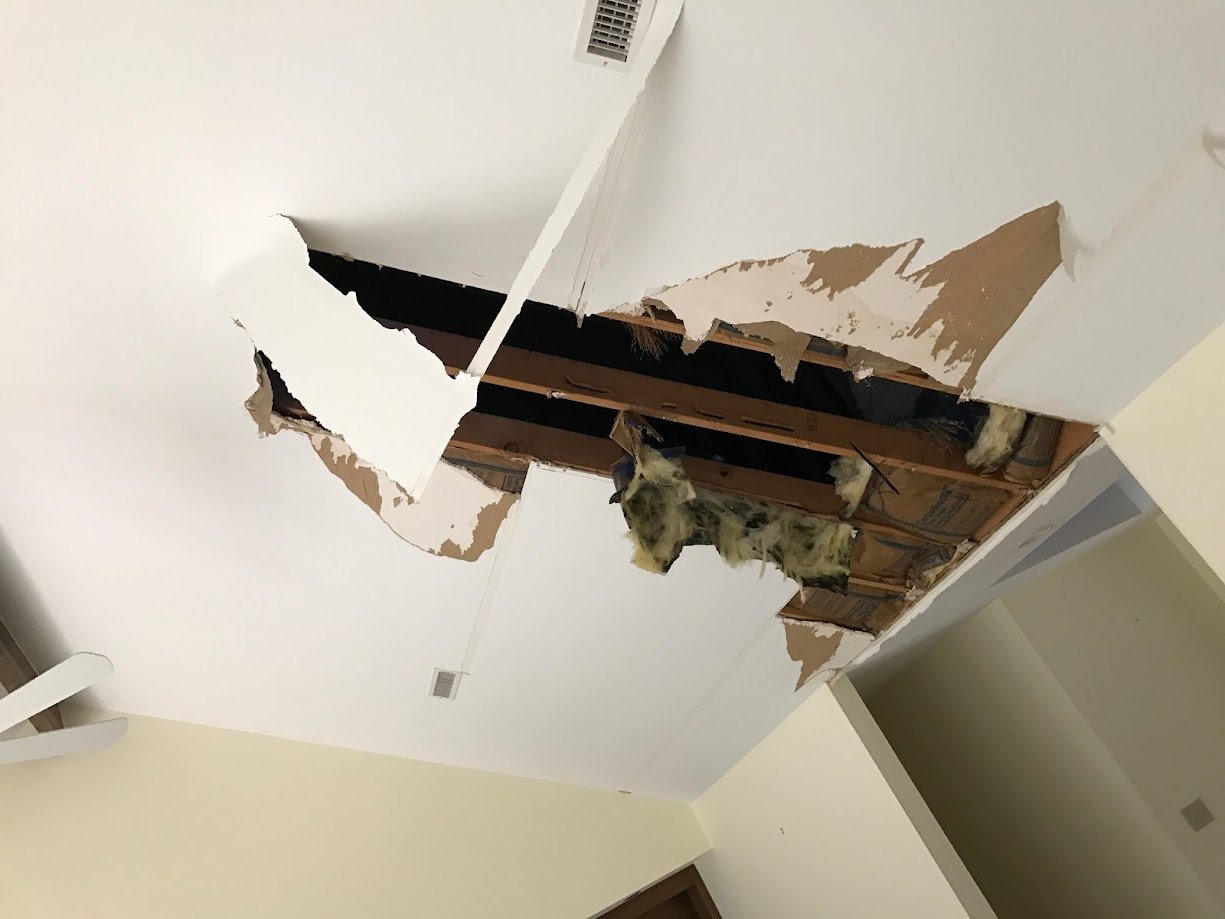
Roof leaks and clogged gutters are also common after heavy rain. Even small amounts of water entering attics or ceilings can create moisture problems that remain hidden until damage appears.
Common Signs Mold May Be Developing
After heavy rain, mold may begin growing without being immediately visible. Property owners should watch for early warning signs such as:
- Musty or damp odors
- Discoloration on ceilings or walls
- Peeling paint or bubbling drywall
- Persistent indoor humidity
- Dark spots near vents or baseboards
- Condensation on windows or air vents
These signs often indicate that moisture is present, even if mold growth has not yet spread.
Hidden Areas Where Mold Often Develops
Some of the most serious mold problems occur in areas that are rarely inspected. Attics are particularly vulnerable because rainwater may enter through small roof openings or vents, soaking insulation and wood surfaces.
Wall cavities can also retain moisture from minor leaks, allowing mold to develop behind drywall. Air ducts and HVAC systems may accumulate condensation, especially when airflow is restricted or insulation is damaged.
Closets, storage rooms, and areas behind large furniture often have limited airflow, making them prone to humidity buildup after storms.
Why Mold Inspection Is Important Even Without Visible Damage
One of the biggest misconceptions about mold is that it only develops after severe flooding or obvious leaks. In reality, mold often grows in hidden areas where moisture remains trapped.
Inspection helps identify these conditions before damage becomes widespread. Moisture detection tools and thermal imaging can locate damp areas behind walls or ceilings, allowing problems to be addressed early.
Testing provides additional information about whether mold spores are present in the air or on surfaces, helping guide remediation if necessary.
Professionals such as Pompano Mold Inspection and Testing often find hidden moisture in Deerfield Beach homes following heavy rain, even when homeowners have not noticed any visible damage.
The Role of Water Damage Repair
Mold growth is closely linked to water damage. If moisture remains in building materials, mold can begin developing within days. Water damage repair involves drying affected areas, repairing leaks, and restoring proper ventilation.
Thorough drying is essential because materials such as drywall and insulation can retain moisture long after surfaces appear dry. Without proper drying, mold may continue to develop even after repairs are completed.
Flood restoration techniques are sometimes used after heavy rain, especially when water intrusion affects multiple areas of a home.
HVAC Systems and Mold After Heavy Rain
Air conditioning systems play an important role in controlling humidity. When systems are not functioning properly, indoor moisture levels can rise quickly. Dirty coils, clogged drain lines, or restricted airflow may allow condensation to accumulate.
Air duct cleaning and HVAC maintenance help reduce moisture buildup and improve airflow. Ensuring that attic ductwork is properly insulated also prevents condensation from forming.
Maintaining HVAC systems is one of the most effective ways to reduce mold risks after storms.
Preventing Mold Growth After Heavy Rain
Property owners in Deerfield Beach can reduce the likelihood of mold problems by taking several practical steps:
- Inspect roofs and ceilings after storms
- Clean gutters and drainage systems regularly
- Use exhaust fans in bathrooms and kitchens
- Maintain HVAC systems and drain lines
- Monitor indoor humidity levels
- Address small leaks promptly
Quick action after heavy rain helps prevent moisture from lingering and creating conditions where mold can grow.
Why Local Experience Matters
Homes in Deerfield Beach, Lighthouse Point, Coconut Creek, and nearby Broward County communities share similar environmental challenges. High humidity, coastal air, and frequent storms create moisture conditions that require specialized knowledge to address effectively.
Pompano Mold Inspection and Testing has worked with many homeowners across the region to identify hidden moisture and perform inspections after heavy rain. Local experience helps ensure that inspections are thorough and that solutions are suited to South Florida’s climate.
A Practical Approach for Homeowners
Mold inspection and testing are essential steps in protecting homes after heavy rain. Identifying hidden moisture early helps prevent structural damage, mold growth, and costly repairs.
For homeowners in Deerfield Beach, paying attention to warning signs and scheduling inspections when moisture is suspected can help maintain a safe, comfortable living environment. With proper inspection, drying, and preventive maintenance, homes can recover quickly after storms and remain protected throughout the year.