Carpet Cleaning After Water Damage Services in Coconut Creek in Humid Florida Summers: Costs, Causes, and Solutions
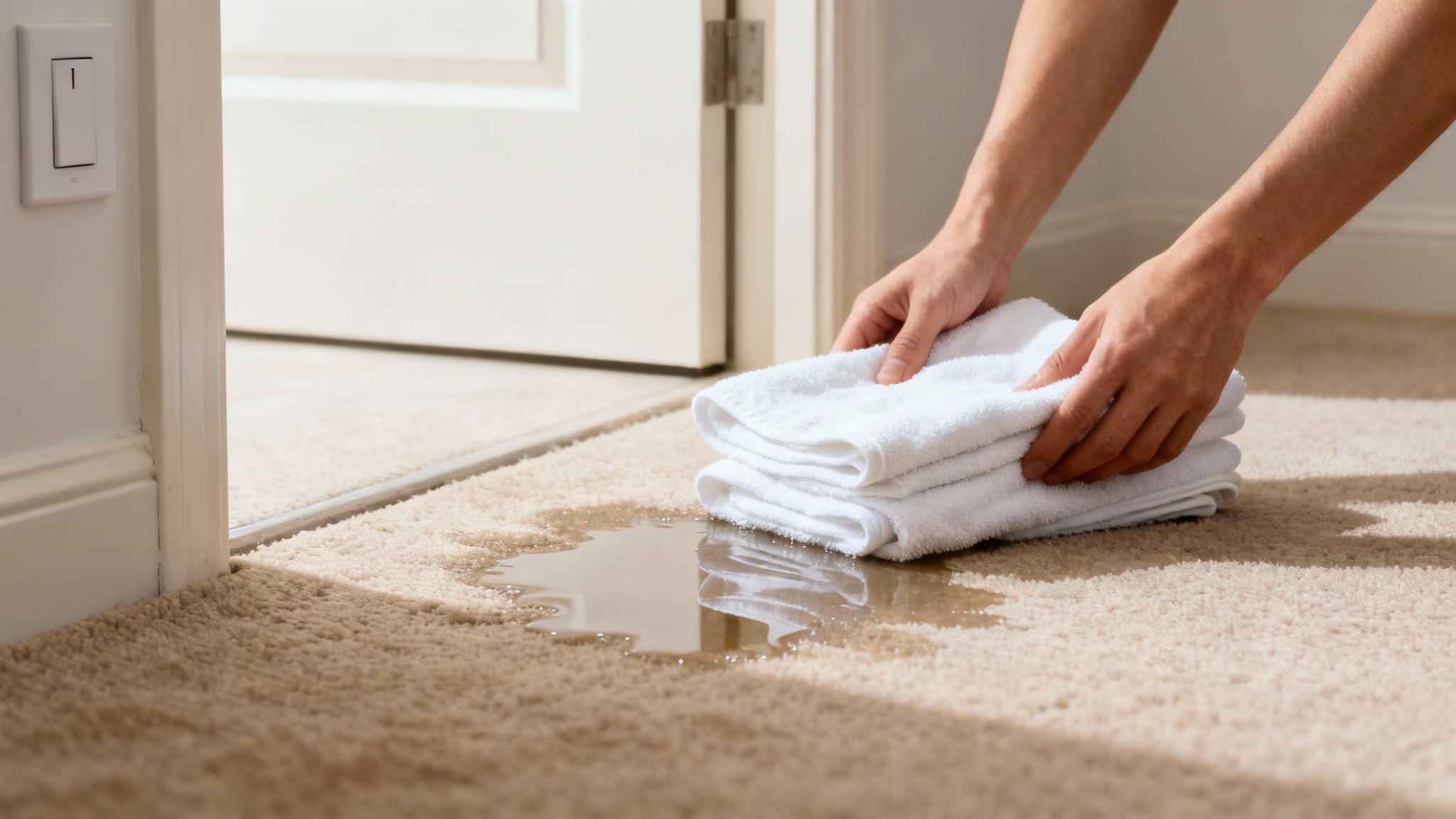
Water damage to carpets is one of the most common issues property owners face during humid Florida summers. In places like Coconut Creek, where heavy rain, high humidity, and year-round air conditioning are part of daily life, carpets can absorb moisture quickly and hold it long enough to cause lingering damage if not handled correctly.
Homeowners, landlords, and property managers often assume that drying a carpet with fans or opening windows is enough. In reality, much more is happening beneath the surface, especially in South Florida’s climate.
Understanding what causes carpet water damage, how professionals handle it, and what it typically costs can help property owners make informed decisions and prevent larger problems later.
What Carpet Water Damage Really Is
Carpet water damage happens when moisture saturates the carpet fibers, padding, and sometimes the subfloor underneath. The visible wet area is often only part of the problem. Water spreads laterally through padding and can remain trapped where airflow is limited.
In Coconut Creek homes, this often happens after roof leaks, plumbing leaks, overflowing appliances, stormwater intrusion, or AC condensation problems. Even small leaks can create widespread moisture under carpeting.
Why This Happens So Often in Coconut Creek
Coconut Creek and nearby communities like Margate, Deerfield Beach, and North Lauderdale experience high humidity throughout much of the year. During summer, humidity levels remain elevated even indoors, which slows drying significantly.
Heavy seasonal rain also increases the likelihood of roof leaks, window seepage, and minor flooding. In many homes, slab foundations limit evaporation from below, meaning moisture stays trapped longer than many people expect.
Air conditioning systems, which run almost constantly in Florida summers, can also contribute to carpet moisture when drain lines clog or condensate pans overflow.
Common Signs Homeowners Notice
Water damage to carpets rarely goes unnoticed for long, but the early signs can be subtle. Property owners often notice:
- Damp or cool areas underfoot
- A musty or stale odor in certain rooms
- Darkened or uneven carpet coloring
- Carpet edges lifting or rippling
- Increased indoor humidity
These signs are common across Broward County, especially in older homes where ventilation is limited or insulation has settled over time.
Hidden or Overlooked Sources
Not all carpet moisture comes from obvious leaks. Some of the most common hidden sources include:
- Slow plumbing leaks inside walls
- AC condensation lines leaking behind air handlers
- Humidity entering through poorly sealed doors or windows
- Wet air ducts distributing humid air
- Previous water damage that was never fully dried
Moisture detection equipment often reveals damp padding even when carpets appear dry on the surface.
Why DIY Carpet Cleaning After Water Damage Usually Fails
Many property owners try to handle wet carpets using household fans or rented carpet cleaners. While these methods may remove some moisture, they usually do not reach the padding or subfloor.
Carpet padding acts like a sponge. If moisture remains trapped, odors and microbial growth can develop even after the carpet surface feels dry.
Another challenge is humidity. In Coconut Creek summers, indoor air often contains enough moisture to slow or completely stop drying without professional dehumidification.
Professional Carpet Cleaning and Moisture Removal Explained
Professional carpet cleaning after water damage involves much more than shampooing or surface cleaning. The process typically includes:
- Moisture mapping to locate all affected areas
- Water extraction using high-capacity equipment
- Lifting carpet when necessary to dry padding and subfloor
- Industrial air movers to accelerate evaporation
- Dehumidifiers to remove moisture from indoor air
- Cleaning and sanitizing to restore carpet condition
Technicians also monitor moisture levels during drying to ensure the carpet and underlying materials reach safe moisture content.
Proper Mold Prevention and Remediation Process
When carpets remain wet for extended periods, mold can develop in padding or adjacent building materials. This is especially common in Florida homes where humidity is consistently high.
Proper remediation involves isolating affected areas if needed, removing contaminated materials when necessary, and thoroughly drying surrounding surfaces. Cleaning alone does not stop mold growth if moisture remains present.
Professionals experienced in mold inspection and testing can determine whether further remediation is needed, especially in properties that have experienced repeated water intrusion.
Flood Restoration and Water Damage Repair
In more severe cases, such as storm flooding, carpets may be heavily saturated with contaminated water. Restoration work may include:
- Removing damaged padding
- Deep extraction and structural drying
- Cleaning and sanitizing affected areas
- Repairing damaged drywall or baseboards
- Restoring indoor air quality
Properties in Lighthouse Point and Fort Lauderdale often experience similar challenges after heavy summer storms, making rapid response essential.
Air Ducts, AC Systems, and Indoor Moisture
Carpet moisture problems are often connected to HVAC systems. Air ducts carrying humid air or leaking condensation can introduce moisture into rooms over time.
Dirty or clogged ducts may also restrict airflow, preventing rooms from drying properly. Air duct cleaning and AC moisture repairs can play an important role in preventing recurring carpet issues.
How to Prevent Carpet Water Damage in Coconut Creek Homes
While some water events are unavoidable, several practical steps can reduce the risk of carpet damage:
- Inspect AC drain lines regularly
- Maintain proper indoor humidity levels
- Check roofs and windows before rainy season
- Repair plumbing leaks immediately
- Ensure carpets are professionally dried after any water intrusion
Routine inspections often reveal minor issues before they become expensive repairs.
Costs Property Owners Should Expect
The cost of carpet cleaning after water damage varies depending on several factors:
- Size of the affected area
- Amount of water absorbed
- Whether padding must be replaced
- Drying time required
- Level of contamination
Minor water extraction and drying may cost significantly less than full restoration involving structural repairs. Acting quickly often reduces total costs by preventing secondary damage.
Why Local Experience Matters
Water damage behaves differently in Florida than in drier climates. High humidity, constant AC use, and frequent storms create conditions that require specialized drying methods.
Local professionals understand how moisture moves in slab-foundation homes and how quickly humidity can slow drying. Companies such as Pompano Mold Inspection and Testing work throughout Coconut Creek and surrounding Broward County communities, bringing experience that reflects real conditions in South Florida homes.
Calm, Practical Steps After Discovering Wet Carpet
If you discover wet carpet:
- Stop the water source if possible
- Turn on air conditioning to help reduce humidity
- Avoid walking on saturated areas
- Schedule inspection and drying promptly
Quick action is often the difference between simple cleaning and extensive restoration.
Carpet water damage is common in Coconut Creek during humid Florida summers, but it is manageable when handled correctly. Understanding causes, recognizing early signs, and relying on proper drying methods help property owners protect their homes and maintain healthy indoor environments.