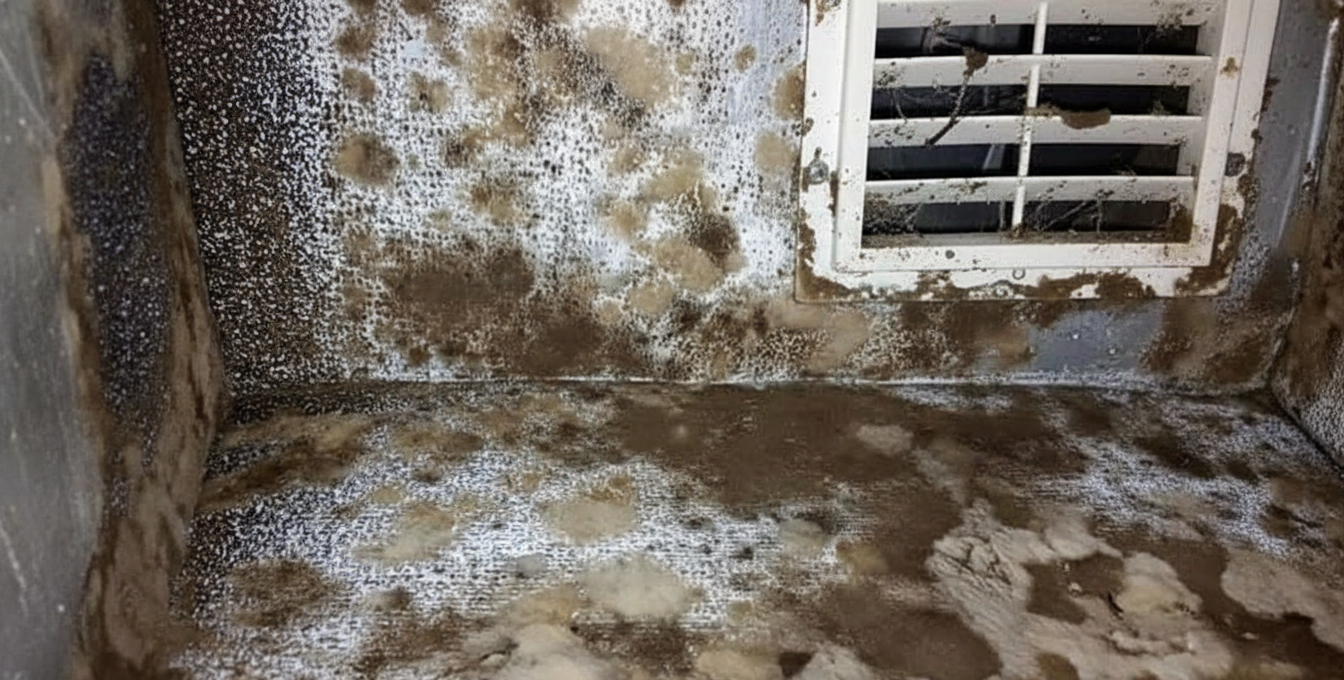
Why Mold Removal Matters in Lighthouse Point in Rental Properties
Rental properties in Lighthouse Point face unique maintenance challenges, and mold is one of the most common issues property owners encounter. The coastal environment, high humidity, and frequent summer storms create conditions where moisture can accumulate quietly, especially in properties that have multiple tenants over time.
For landlords and property managers, mold removal is not just about appearance. It is about protecting the structure of the property, maintaining indoor air quality, and preventing small moisture problems from becoming major repairs.
Understanding why mold removal matters—and how the process works—helps rental property owners make better decisions and maintain long-term property value.
What Mold Problems in Rental Properties Really Are
Mold develops when moisture remains in building materials for extended periods. In rental homes and apartments, this can happen after roof leaks, plumbing leaks, AC condensation, or flooding.
Carpets, drywall, ceiling cavities, and air ducts can all retain moisture long enough for mold growth to begin. In many cases, mold develops in hidden areas such as behind walls or under flooring, where it may not be visible at first.
Because tenants may not always notice or report minor leaks immediately, moisture can remain for days or weeks before being addressed.
Why Mold Occurs So Often in Lighthouse Point
Lighthouse Point, like nearby Fort Lauderdale, Pompano Beach, and Deerfield Beach, experiences consistently high humidity throughout much of the year. During summer, indoor humidity can remain elevated even when air conditioning is running.
Several local factors contribute to mold problems in rental properties:
- Humid coastal air entering through small gaps and ventilation openings
- Frequent heavy rain and tropical storms
- Older roofing systems in some rental properties
- Air conditioning systems producing condensation
- Limited ventilation in bathrooms, laundry areas, and kitchens
Slab foundations, which are common in Broward County, also slow drying after water intrusion, allowing moisture to remain trapped in flooring and lower walls.
Common Signs Property Owners or Tenants Notice
Mold problems often begin with small warning signs that may seem minor at first. Property owners and tenants frequently notice:
- Musty or stale odors
- Dark spots on walls or ceilings
- Peeling paint or bubbling drywall
- Persistent humidity indoors
- Recurring condensation around vents or windows
These signs often indicate that moisture is present somewhere in the building, even if mold is not immediately visible.
Hidden or Overlooked Sources of Mold in Rentals
Rental properties often have mold sources that go unnoticed for long periods. Some of the most common include:
- Slow plumbing leaks under sinks or behind walls
- AC drain line clogs or condensate pan overflows
- Moisture trapped beneath carpet padding
- Roof leaks that only appear during heavy rain
- Humidity buildup in closets or storage areas
In multi-unit buildings, moisture may also travel between units through shared walls or duct systems.
Why DIY Mold Removal Usually Fails
Tenants or maintenance staff sometimes attempt to clean mold using household cleaners or surface sprays. While this may remove visible staining, it rarely addresses the root cause.
Mold often grows beneath surfaces, inside drywall, or in insulation. Cleaning the surface without drying the underlying materials allows mold to return quickly.
Another challenge is humidity. In Lighthouse Point’s climate, moisture in the air can prevent cleaned areas from drying completely, allowing mold to redevelop.
Professional Mold Inspection and Testing Explained
Professional mold inspection is designed to identify both visible and hidden mold growth. This process often includes:
- Moisture detection to locate damp materials
- Inspection of walls, ceilings, and HVAC systems
- Air or surface sampling when necessary
- Identifying the source of moisture
Inspection is one of the most important steps because mold removal is only effective when the moisture source is corrected.
Proper Mold Removal and Remediation Process
Mold remediation involves more than cleaning. The process typically includes:
- Isolating affected areas when needed
- Removing contaminated materials that cannot be restored
- Cleaning and treating salvageable surfaces
- Drying the structure using professional equipment
- Addressing the moisture source
This approach ensures that mold is removed safely and that conditions allowing growth are eliminated.
Flood Restoration and Water Damage Repair in Rentals
Rental properties in Lighthouse Point sometimes experience flooding after severe storms or plumbing failures. When flooding occurs, carpets, drywall, and flooring can absorb large amounts of water.
Flood restoration may include:
- Water extraction
- Structural drying
- Carpet cleaning or removal
- Repairing drywall and baseboards
- Moisture monitoring
Quick response after flooding greatly reduces the likelihood of mold development.
Air Ducts, AC Systems, and Mold Growth
HVAC systems play a major role in indoor moisture control. When air ducts accumulate dust and moisture, or when AC systems develop condensation problems, mold can develop inside ducts or air handlers.
This can distribute humid air throughout the property and create recurring moisture problems. Air duct cleaning and AC moisture repairs often help prevent mold from returning.
How to Prevent Mold in Lighthouse Point Rental Properties
Property owners can reduce mold risks by taking practical preventive steps:
- Schedule routine inspections between tenants
- Maintain AC systems and drain lines regularly
- Repair leaks immediately, even small ones
- Ensure proper ventilation in bathrooms and kitchens
- Use moisture detection during maintenance checks
Preventive maintenance is often far less costly than remediation and repairs.
Why Local Experience Matters
Mold behaves differently in coastal South Florida than in drier climates. High humidity, salt air, and frequent storms create conditions where moisture can linger longer than expected.
Professionals familiar with Lighthouse Point, Coconut Creek, Margate, and North Lauderdale understand how mold develops in local construction types and how drying must be managed in humid environments.
Companies such as Pompano Mold Inspection and Testing often work with property owners throughout Broward County, providing inspections and remediation services based on real conditions in the region.
A Practical Approach for Landlords and Property Managers
When mold is discovered in a rental property, the most effective approach is to act quickly and methodically:
- Identify and stop the moisture source
- Schedule professional inspection and drying
- Address structural repairs promptly
- Improve ventilation and humidity control
Acting early helps protect the building, reduce repair costs, and maintain a comfortable living environment for tenants.
Mold removal matters in Lighthouse Point rental properties because moisture problems rarely remain isolated. What begins as a small leak or damp area can gradually affect walls, flooring, and air systems if left untreated. With proper inspection, drying, and maintenance, property owners can keep rental properties in good condition and avoid larger restoration projects in the future.