Property Owner Guide to Carpet Cleaning After Water Damage in North Lauderdale
Water damage is one of the most common maintenance challenges property owners face in North Lauderdale. Heavy seasonal rain, plumbing failures, roof leaks, and air conditioning issues can quickly saturate carpets, leaving moisture trapped beneath the surface.
For homeowners, landlords, and property managers, understanding how carpet cleaning after water damage works is essential. Proper cleaning and drying protect flooring, prevent long-term structural problems, and help maintain a healthy indoor environment.
What Carpet Water Damage Really Is
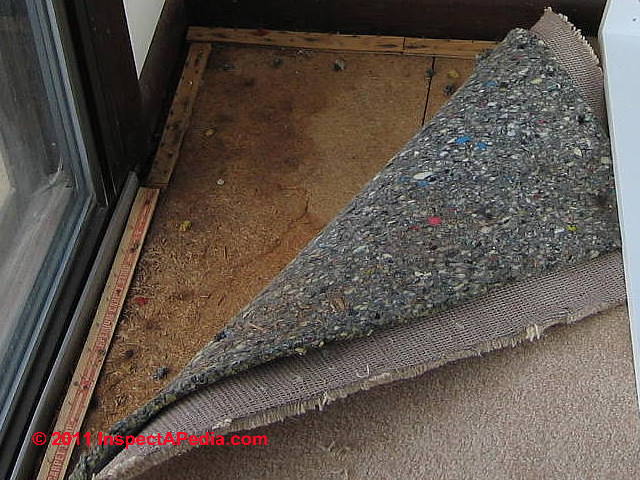
Carpet water damage occurs when water penetrates carpet fibers and soaks into the padding and subfloor below. While the surface may appear dry after a short time, moisture often remains underneath, where it can slowly affect flooring materials and indoor air quality.
In North Lauderdale properties, this frequently happens after:
- Plumbing leaks or appliance overflows
- Roof leaks during heavy rain
- AC condensation problems
- Minor flooding after storms
- Water intrusion from poorly sealed doors or windows
Even small water events can spread farther than expected because carpet padding absorbs moisture quickly.
Why This Happens So Often in North Lauderdale
North Lauderdale, like nearby Coconut Creek, Margate, and Fort Lauderdale, experiences consistently high humidity. During summer, humidity remains elevated even indoors, which slows evaporation and prolongs drying times.
Several local factors contribute to carpet water damage:
- Frequent heavy rain and thunderstorms
- Constant use of air conditioning systems
- Poor ventilation in some homes and apartments
- Slab foundations that slow drying
- Aging plumbing or roofing systems in older properties
Because drying takes longer in humid climates, carpets that are not professionally dried may remain damp longer than property owners realize.
Common Signs Property Owners Notice
Water-damaged carpet does not always look heavily soaked. Early warning signs are often subtle. Property owners may notice:
- A damp or cool feeling when walking on carpet
- Musty odors that appear after rain or leaks
- Discoloration or uneven shading in carpet fibers
- Carpet rippling or loosening
- Increased indoor humidity or condensation
These signs often indicate that moisture is present beneath the surface, even if the carpet appears mostly dry.
Hidden or Overlooked Sources of Carpet Moisture
Some water damage occurs in ways that are not immediately obvious. Common hidden sources include:
- Slow leaks inside walls or beneath sinks
- AC drain line blockages
- Moisture trapped beneath furniture
- Humidity entering through small gaps in windows or doors
- Wet air ducts distributing humid air
Moisture detection tools often reveal damp padding or subfloor areas that cannot be seen from the surface.
Why DIY Carpet Cleaning After Water Damage Usually Fails
Many property owners attempt to dry carpets using fans, towels, or rented carpet cleaners. While these methods may help remove some surface moisture, they rarely address moisture trapped in padding or structural materials.
Household equipment also lacks the power to remove large amounts of water quickly. In humid environments like North Lauderdale, slow drying allows moisture to remain long enough to cause further damage.
Another challenge is that carpet cleaning machines designed for routine cleaning are not designed for water extraction after flooding or leaks.
Professional Carpet Cleaning and Drying Explained
Professional carpet cleaning after water damage involves a structured process designed to restore carpets safely and effectively. The process typically includes:
- Moisture inspection and mapping
- High-capacity water extraction
- Lifting carpet when necessary to dry padding and subfloor
- Industrial air movers to increase evaporation
- Dehumidifiers to remove moisture from indoor air
- Cleaning and sanitizing affected areas
Technicians monitor moisture levels during the drying process to ensure materials reach safe levels before restoration is considered complete.
Mold Prevention and Remediation Considerations
Carpets that remain damp for extended periods can create conditions where mold may develop in padding, baseboards, or nearby drywall. This risk is higher in South Florida’s humid climate.
Proper drying significantly reduces this risk. In cases where moisture has been present for longer periods, mold inspection and testing may be recommended to confirm that hidden growth has not developed.
Flood Restoration and Water Damage Repair
More severe water events, such as storm flooding or major plumbing failures, may require full restoration rather than simple carpet cleaning. Flood restoration may include:
- Removing saturated padding
- Deep extraction and structural drying
- Repairing drywall or flooring
- Cleaning and restoring indoor air quality
Properties in North Lauderdale sometimes experience localized flooding during heavy rain, especially in areas with limited drainage. Rapid response helps prevent long-term structural issues.
Air Ducts, AC Systems, and Carpet Moisture
Air conditioning systems play a major role in indoor moisture control. When AC systems develop condensation problems or ducts accumulate moisture, humidity levels inside the home can rise.
High indoor humidity slows carpet drying and increases the likelihood of recurring moisture problems. Air duct cleaning and AC maintenance can help reduce these risks and improve airflow throughout the property.
How Property Owners Can Prevent Future Carpet Water Damage
Preventive maintenance is one of the most effective ways to protect carpets. Property owners in North Lauderdale can reduce risks by:
- Inspecting AC drain lines regularly
- Checking roofs and windows before rainy season
- Repairing plumbing leaks promptly
- Maintaining proper indoor humidity levels
- Scheduling professional drying after any water intrusion
Routine inspections between tenants are especially helpful in rental properties, where minor leaks may go unnoticed.
Understanding Costs and What Affects Them
The cost of carpet cleaning after water damage varies depending on several factors:
- Size of the affected area
- Amount of water absorbed
- Drying time required
- Condition of carpet and padding
- Whether structural repairs are needed
Addressing water damage quickly often reduces costs because materials are less likely to require replacement.
Why Local Experience Matters
Water damage behaves differently in South Florida than in drier regions. High humidity slows evaporation, and building materials common in Broward County respond differently to moisture.
Professionals familiar with North Lauderdale, Deerfield Beach, Lighthouse Point, and Pompano Beach understand how moisture moves through slab foundations and how drying equipment must be adjusted for local conditions.
Companies such as Pompano Mold Inspection and Testing regularly assist property owners throughout the region, providing inspections, moisture detection, and restoration services tailored to Florida’s climate.
A Practical Approach After Discovering Wet Carpet
If you discover water-damaged carpet:
- Stop the source of water if possible
- Turn on air conditioning to help reduce humidity
- Avoid walking on saturated areas
- Arrange inspection and drying as soon as possible
Prompt action is often the difference between simple carpet cleaning and more extensive restoration.
Carpet cleaning after water damage is an important part of property maintenance in North Lauderdale. With proper inspection, drying, and preventive maintenance, property owners can protect flooring, reduce repair costs, and maintain comfortable indoor environments even during humid Florida summers.