Coconut Creek Carpet Cleaning After Water Damage After Flooding: Inspection and Repair Guide
Flooding can affect homes in Coconut Creek more often than many property owners expect. Heavy seasonal rain, plumbing failures, overflowing appliances, and localized storm flooding can quickly saturate carpets and flooring. When carpets absorb floodwater, proper inspection and repair become essential to prevent long-term damage and restore indoor conditions safely.
For homeowners, landlords, and property managers, understanding the inspection and repair process helps ensure that carpet cleaning after flooding is handled correctly from the beginning.
What Happens to Carpets After Flooding
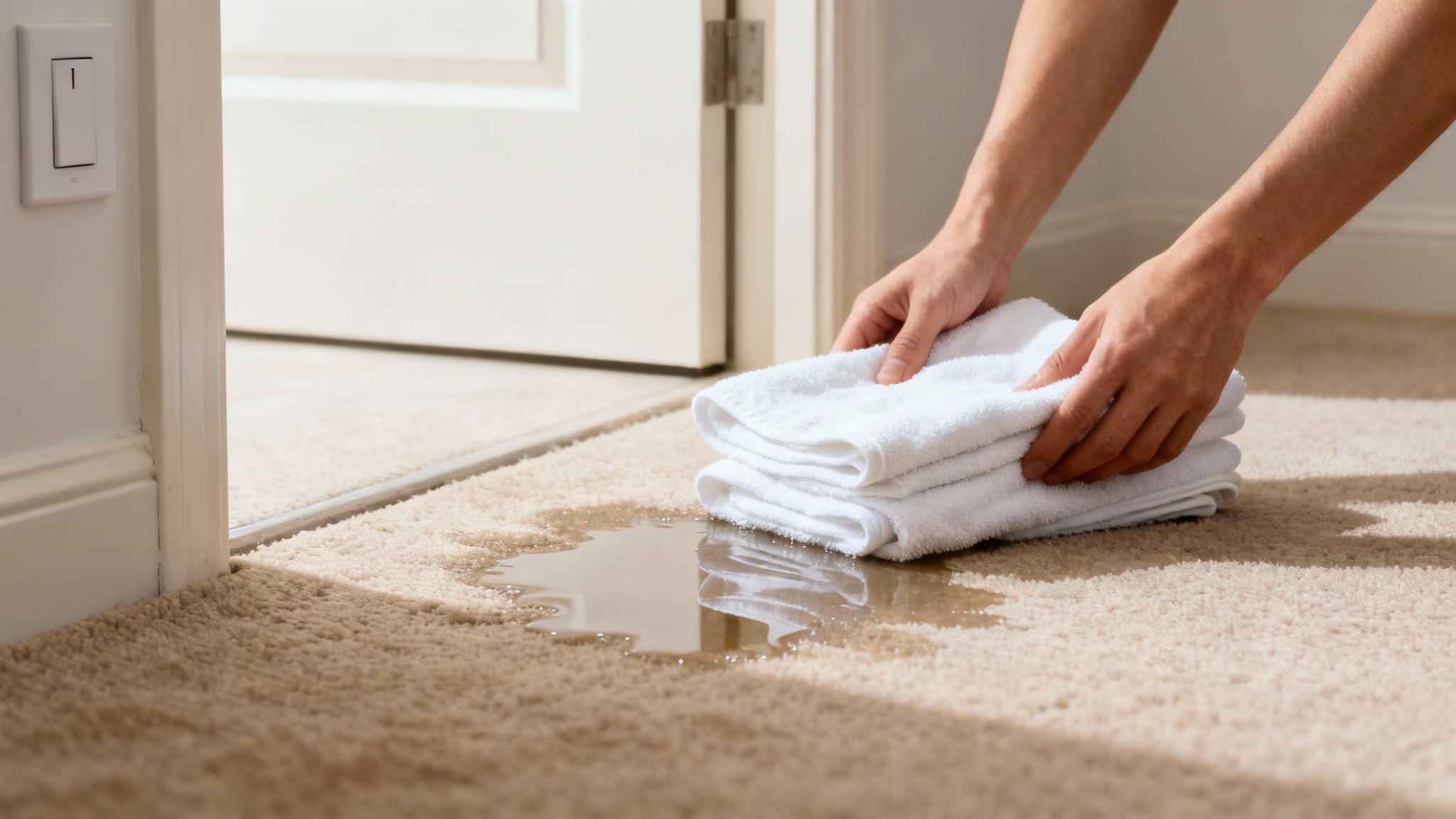
When flooding occurs, carpets act like large sponges. Water moves through the fibers into the padding beneath and often reaches the subfloor. Even after visible water is removed, moisture can remain trapped in layers below the surface.
Floodwater may also carry dirt, debris, and contaminants that settle deep into carpet materials. Without proper cleaning and drying, odors and deterioration can develop over time.
This is why inspection and drying are just as important as cleaning.
Why Flood-Related Carpet Damage Happens Often in Coconut Creek
Coconut Creek and nearby communities such as Margate, North Lauderdale, and Deerfield Beach experience high humidity throughout the year. During the summer and rainy season, humidity levels remain elevated even indoors, slowing the drying process.
Several local conditions contribute to carpet damage after flooding:
- Heavy thunderstorms and seasonal rain
- Groundwater saturation during prolonged rain
- Roof leaks or window seepage
- Plumbing failures or appliance overflows
- Air conditioning condensation issues
Slab foundations, common in Broward County homes, also slow moisture evaporation, allowing carpets and padding to remain damp longer.
Common Signs of Carpet Damage After Flooding
After floodwater has been removed, carpets may still show signs of hidden moisture. Property owners often notice:
- Musty or damp odors
- Carpet that feels heavy or spongy
- Ripples or lifting edges
- Uneven coloring or staining
- Increased humidity inside rooms
These signs indicate that deeper materials may still be wet and require inspection.
Why Inspection Is the First Step
Inspection is the most important stage in carpet cleaning after flooding. Without proper inspection, moisture can remain hidden, leading to recurring problems later.
Professional inspection usually includes:
- Moisture mapping to identify wet areas
- Checking carpet padding and subfloors
- Inspecting baseboards and lower drywall
- Evaluating the source of water intrusion
- Assessing the level of contamination
This step determines whether carpets can be restored or if certain materials must be replaced.
Hidden Areas Where Moisture Often Remains
Floodwater rarely affects only the visible surface. Moisture often spreads to:
- Carpet padding beneath flooring
- Edges near walls and baseboards
- Under furniture and appliances
- Closet floors and storage areas
- Adjacent drywall or insulation
Moisture detection equipment helps identify these areas before cleaning and drying begin.
Why DIY Carpet Cleaning After Flooding Usually Fails
Many property owners attempt to clean carpets themselves using household machines or rented equipment. While these tools can clean the surface, they typically cannot extract water deeply embedded in padding.
Household fans may circulate air but do not remove humidity from the air. In Coconut Creek’s humid climate, this slows drying and allows moisture to remain trapped.
Incomplete drying is one of the most common reasons carpets develop persistent odors or require replacement later.
Professional Carpet Cleaning and Water Extraction
Professional carpet cleaning after flooding follows a structured process designed to restore carpets safely and effectively.
The process usually includes:
- High-capacity water extraction
- Lifting carpet when necessary to dry padding
- Deep cleaning to remove debris and contaminants
- Industrial air movers to accelerate drying
- Commercial dehumidifiers to remove moisture from the air
Moisture levels are monitored during drying to ensure carpets and structural materials reach safe conditions.
Repairing Damage After Flooding
After drying is complete, repairs may be needed depending on the severity of the flooding. Repairs can include:
- Replacing saturated padding
- Repairing baseboards or trim
- Reinstalling carpet sections
- Treating areas that were heavily affected
The goal is to restore both function and appearance while ensuring moisture has been fully removed.
Mold Prevention and Remediation Considerations
Flooded carpets increase the risk of mold development, especially in warm, humid climates. Mold can begin developing in damp materials when moisture remains for extended periods.
Proper drying significantly reduces this risk. In some cases, mold inspection and testing may be recommended to confirm that hidden growth has not developed behind walls or beneath flooring.
Professionals experienced in remediation ensure that moisture sources are corrected and affected materials are properly treated.
Flood Restoration and Structural Drying
In more severe flooding situations, carpet cleaning may be only one part of a larger restoration project. Flood restoration may include:
- Removing heavily saturated materials
- Structural drying of floors and walls
- Cleaning and sanitizing affected areas
- Repairing drywall or flooring
Homes in Lighthouse Point and Fort Lauderdale often undergo similar restoration processes after heavy storms, making prompt response critical.
Air Ducts, AC Systems, and Indoor Moisture
Flooding can also affect HVAC systems and air ducts. Moisture entering ductwork can circulate humid air throughout the home, slowing drying and creating recurring humidity issues.
Air duct inspection and cleaning may be recommended after flooding to ensure that moisture has not accumulated inside the system.
Maintaining proper airflow and humidity control helps carpets dry more effectively and prevents future problems.
How to Prevent Future Carpet Damage
While flooding cannot always be prevented, property owners can reduce risks by taking several practical steps:
- Inspect roofs and windows regularly
- Maintain AC systems and drain lines
- Address plumbing leaks promptly
- Ensure proper drainage around the home
- Schedule inspections after heavy storms
Routine maintenance often prevents small issues from turning into major restoration projects.
Understanding Costs and What Affects Them
The cost of carpet cleaning after flooding depends on several factors:
- Size of the affected area
- Amount of water absorbed
- Drying time required
- Condition of carpet and padding
- Extent of repairs needed
Acting quickly often reduces total costs because materials are less likely to require replacement.
Why Local Experience Matters
Flood restoration and carpet cleaning in South Florida require specialized knowledge. High humidity, frequent storms, and local construction methods all influence how water behaves in homes.
Professionals familiar with Coconut Creek, Margate, North Lauderdale, and Pompano Beach understand how moisture moves through slab foundations and how drying must be adjusted for Florida’s climate.
Companies such as Pompano Mold Inspection and Testing regularly assist property owners across Broward County, providing inspections and restoration services based on real local conditions.
A Practical Approach After Flooding
If flooding affects carpet in your property:
- Stop the water source if possible
- Turn on air conditioning to help reduce humidity
- Remove small items from affected areas
- Arrange inspection and drying as soon as possible
Prompt action helps prevent long-term damage and shortens restoration time.
Carpet cleaning after water damage in Coconut Creek requires careful inspection, professional drying, and proper repairs. By understanding the process and responding quickly, property owners can protect flooring, reduce repair costs, and maintain comfortable indoor spaces even after flooding events.