North Lauderdale Flood Restoration in Humid Florida Summers: Common Causes and Solutions
Flooding and water damage are problems many property owners in North Lauderdale face, especially during Florida’s long, humid summers. Heavy rainfall, high groundwater levels, plumbing failures, and AC moisture issues can quickly turn a small leak into a major restoration project. Understanding why these problems occur and how flood restoration works helps homeowners and property managers respond quickly and prevent long-term damage.
What Flood Restoration Involves
Flood restoration is the process of removing water, drying affected areas, cleaning contaminated surfaces, and repairing structural damage caused by water intrusion. The goal is not just to dry visible surfaces but to restore the property to a safe, stable condition while preventing mold growth and hidden moisture problems.
In humid climates like Broward County, this process is especially important because moisture trapped in walls, carpets, or ductwork can lead to mold growth within days.
Why Flooding Happens So Often in North Lauderdale
North Lauderdale and nearby communities such as Margate, Coconut Creek, and Fort Lauderdale experience environmental conditions that make water damage more likely.
Some of the most common contributing factors include:
- Intense summer thunderstorms
- Poor drainage or clogged storm systems
- High humidity slowing evaporation
- Aging plumbing systems
- AC condensation and duct moisture
- Roof leaks during heavy rain
- Groundwater intrusion after prolonged storms
Even newer homes can experience moisture problems because warm, humid air constantly introduces moisture into indoor environments.
Common Signs Homeowners Notice
Water damage is not always obvious at first. Many homeowners first notice subtle warning signs before realizing a flood restoration issue is developing.
Typical signs include:
- Damp or musty odors
- Warped flooring or baseboards
- Stains on ceilings or drywall
- Carpet that feels damp or spongy
- Increased indoor humidity
- Visible mold spots near vents or walls
Ignoring these early signs can allow moisture to spread into insulation, framing, and duct systems.
Hidden or Overlooked Sources of Water Damage
One of the most challenging aspects of flood restoration is locating hidden moisture. Water often travels behind walls or beneath flooring before it becomes visible.
Common hidden sources include:
- Slow pipe leaks inside walls
- AC drain line backups
- Condensation inside air ducts
- Roof flashing failures
- Window seal leaks
- Appliance hose failures
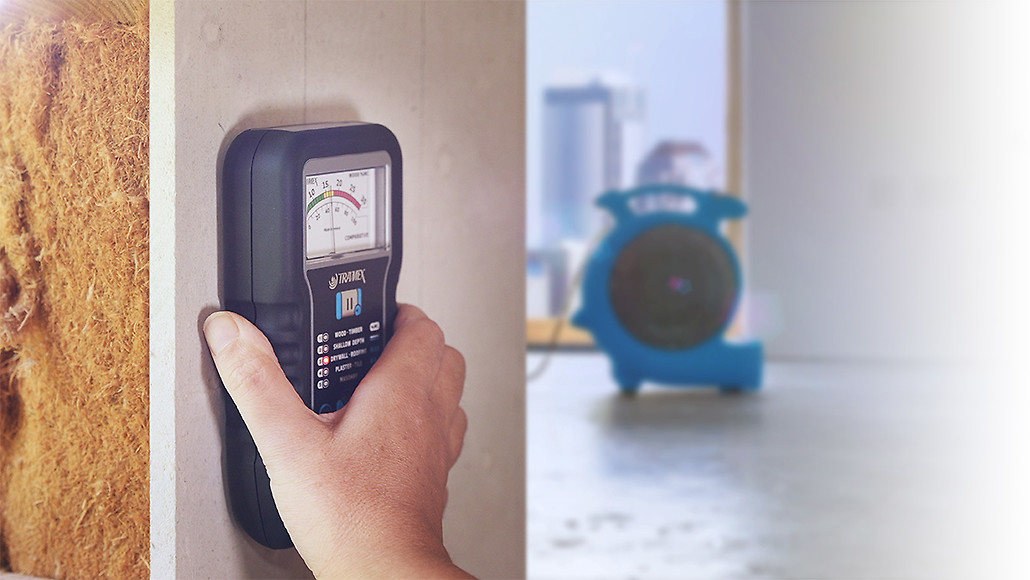
Professional moisture detection tools are often necessary to locate these problems before structural damage worsens.
Why DIY Flood Cleanup Usually Falls Short
Many homeowners attempt to dry flooded areas using fans, towels, or basic dehumidifiers. While these steps may remove surface moisture, they rarely address deeper water intrusion.
DIY cleanup often fails because:
- Moisture remains trapped in subfloors and drywall
- Humidity slows drying in enclosed spaces
- Carpets and padding retain hidden moisture
- Mold growth begins before drying is complete
Without proper drying equipment and moisture measurement, water damage may continue spreading even after surfaces appear dry.
Professional Mold Inspection and Testing Explained
After flooding, mold inspection and testing become critical steps in protecting indoor air quality. Mold spores are naturally present in Florida’s air, and excess moisture creates ideal conditions for rapid growth.
A professional inspection typically includes:
- Visual examination of affected areas
- Moisture mapping of walls and flooring
- Air or surface sampling when needed
- Identifying hidden growth areas
Companies such as Pompano Mold Inspection and Testing often perform these inspections after water damage to confirm whether mold is present and to determine the safest remediation approach.
Proper Mold Removal and Remediation Process
If mold is detected, remediation must be done carefully to prevent cross-contamination. Proper removal involves more than simply cleaning visible surfaces.
A professional remediation process usually includes:
- Containment of affected areas
- Removal of contaminated materials when necessary
- HEPA air filtration
- Cleaning and sanitizing structural surfaces
- Drying and moisture control
This systematic approach helps prevent mold from returning after flood restoration is complete.
Flood Restoration and Water Damage Repair
Flood restoration typically follows several stages to ensure complete recovery.
1. Water Removal
Standing water is extracted using specialized pumps and vacuums.
2. Structural Drying
Industrial dehumidifiers and air movers remove moisture from walls, floors, and air spaces.
3. Cleaning and Sanitizing
Surfaces are cleaned to remove contaminants and prevent microbial growth.
4. Repairs and Restoration
Damaged drywall, flooring, or insulation may be repaired or replaced.
In North Lauderdale, humidity control is a critical part of the process because drying times are longer than in drier climates.
Air Ducts, AC Systems, and Mold Risk
Air conditioning systems play a major role in indoor moisture control, but they can also contribute to water damage if not maintained.
Common AC-related problems include:
- Condensation buildup
- Clogged drain lines
- Duct leaks drawing humid air
- Poor airflow leading to moisture pockets
When ducts become damp, mold growth can spread throughout the home, affecting indoor air quality. Air duct cleaning and moisture control are often necessary after flood restoration to prevent recurring problems.
How to Prevent Flood and Moisture Damage in North Lauderdale Homes
While flooding cannot always be prevented, several steps reduce the risk of severe damage.
Homeowners can:
- Inspect roofs and flashing annually
- Clean gutters and drainage systems
- Check AC drain lines regularly
- Monitor indoor humidity levels
- Seal windows and exterior gaps
- Schedule periodic moisture inspections
These preventive measures are especially important during Florida’s summer storm season.
Why Local Experience Matters
Flood restoration in South Florida requires knowledge of regional climate patterns, building materials, and moisture behavior. Homes in North Lauderdale, Lighthouse Point, and Deerfield Beach often experience different moisture patterns depending on proximity to canals, drainage systems, or coastal air.
Local professionals understand:
- How humidity affects drying times
- Where hidden moisture commonly develops
- Typical construction materials used in Broward County
- Seasonal patterns of flooding and storm damage
Pompano Mold Inspection and Testing works throughout North Lauderdale and surrounding communities, applying local experience to help property owners address water damage safely and effectively.
A Calm, Practical Next Step for Property Owners
Water damage can feel overwhelming, but taking prompt, informed action makes a significant difference. Addressing moisture quickly, scheduling a professional inspection when needed, and ensuring proper drying and restoration can prevent small issues from becoming major structural problems.
For homeowners and property managers in North Lauderdale, understanding the causes of flooding and the solutions available helps protect both property value and indoor air quality—especially during Florida’s humid summer months.