How Flood Restoration Helps Homes in Lauderdale-by-the-Sea After Storm Damage
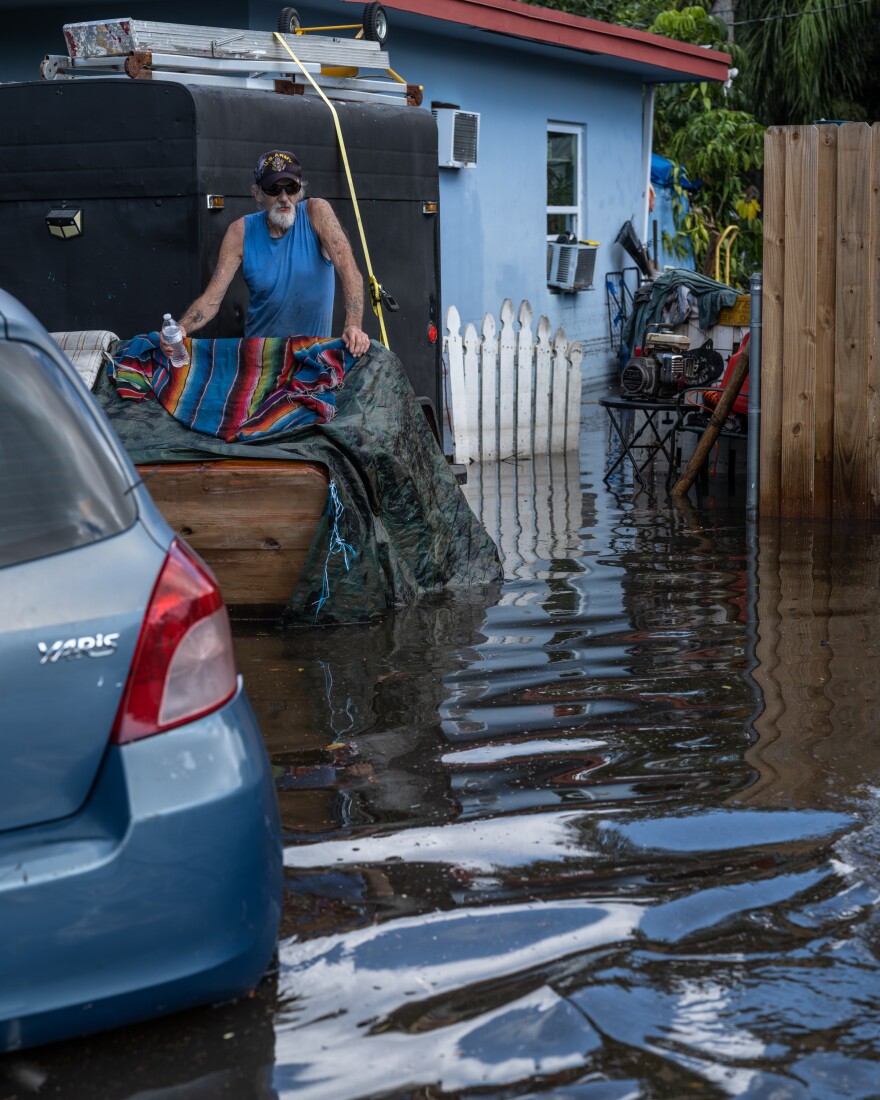
Storms are a regular part of life in Lauderdale-by-the-Sea. Heavy rainfall, strong winds, and sudden flooding can quickly overwhelm drainage systems and allow water to enter homes. After a storm passes, the visible water may be gone, but moisture often remains trapped in floors, walls, and air systems. Flood restoration plays a critical role in helping homeowners recover safely, preventing long-term structural damage and mold growth.
Understanding how flood restoration works—and why it matters—can help homeowners respond quickly and protect their properties after severe weather.
What Storm-Related Flood Damage Is
Flood damage after storms occurs when rainwater, groundwater, or wind-driven water enters a home. Even small amounts of water can soak into building materials and create hidden moisture pockets. Carpets, drywall, insulation, and wood framing are especially vulnerable.
Flood restoration focuses on removing water, drying structures thoroughly, cleaning affected areas, and repairing damaged materials. The goal is not only to restore the home visually but also to eliminate hidden moisture that can lead to mold growth.
Why Storm Damage Is Common in Lauderdale-by-the-Sea
Homes in Lauderdale-by-the-Sea face environmental conditions that make storm-related flooding more likely than in many other regions. Coastal weather patterns and humidity play a major role.
Several factors increase the risk:
- Heavy summer thunderstorms
- Tropical storms and hurricanes
- Wind-driven rain entering roofs or windows
- High groundwater levels
- Slow drying due to humidity
- Aging roofs or flashing
- Clogged gutters and drainage systems
Nearby areas such as Pompano Beach, Lighthouse Point, and Fort Lauderdale experience similar challenges, especially during peak storm season.
Common Signs of Flood Damage After a Storm
Not all flood damage is immediately obvious. In many cases, homeowners begin to notice small warning signs days or weeks after a storm.
Typical signs include:
- Musty or damp odors
- Stains on ceilings or walls
- Warped baseboards or flooring
- Damp carpet or padding
- Peeling paint or bubbling drywall
- Increased indoor humidity
These symptoms often indicate that moisture has penetrated structural materials and requires professional attention.
Hidden or Overlooked Sources of Moisture
After a storm, water does not always remain in visible areas. It can travel through insulation, framing, and air spaces, creating hidden moisture problems.
Common hidden sources include:
- Water trapped under flooring
- Moisture inside wall cavities
- Damp attic insulation
- Condensation in ductwork
- Slow roof leaks that develop after storms
Moisture detection equipment is often necessary to identify these issues accurately.
Why DIY Cleanup Usually Falls Short
Many homeowners try to dry affected areas using fans or household dehumidifiers. While these steps may help with surface drying, they rarely address moisture deep within structural materials.
DIY cleanup often falls short because:
- Household equipment lacks drying power
- Hidden moisture remains behind walls
- Humidity slows evaporation
- Mold growth may begin within 24–48 hours
Without proper drying and moisture monitoring, problems may return long after surfaces appear dry.
Professional Mold Inspection and Testing Explained
After flood damage, mold inspection and testing are often recommended. Mold spores are always present in Florida’s air, and storm-related moisture creates ideal conditions for rapid growth.
A professional inspection typically includes:
- Visual assessment of affected areas
- Moisture mapping of structural materials
- Identification of conditions supporting mold growth
- Air or surface sampling when needed
Pompano Mold Inspection and Testing frequently performs these inspections in Lauderdale-by-the-Sea and surrounding communities to help homeowners confirm whether remediation is necessary.
Proper Mold Removal and Remediation Process
If mold is discovered, proper remediation ensures the problem is addressed safely and completely.
The process usually involves:
- Isolating affected areas to prevent cross-contamination
- Removing heavily contaminated materials
- Cleaning and treating structural surfaces
- Using HEPA air filtration
- Drying and controlling humidity
This approach helps ensure mold does not return after restoration is completed.
Flood Restoration and Water Damage Repair
Flood restoration follows a structured process designed to restore the home safely and efficiently.
Water Extraction
Standing water is removed using professional pumps and vacuums to prevent further absorption.
Drying and Dehumidification
Industrial air movers and dehumidifiers remove moisture from walls, flooring, and air spaces.
Cleaning and Sanitizing
Affected areas are cleaned to remove contaminants and reduce the risk of microbial growth.
Repairs and Restoration
Damaged drywall, insulation, and flooring may be repaired or replaced as needed.
Because coastal humidity slows drying, monitoring moisture levels throughout the process is essential.
Air Ducts, AC Systems, and Storm-Related Moisture
Storm damage can also affect air conditioning systems and ductwork. When moisture enters ducts or air handlers, mold growth and air quality problems can develop.
Common issues include:
- Condensation buildup in ducts
- Wet insulation around air handlers
- Clogged condensate drain lines
- Mold growth inside ventilation systems
Air duct cleaning and AC inspection are often recommended after flooding to ensure the system remains safe and efficient.
How to Prevent Future Flood Damage
While storms cannot be prevented, homeowners can take steps to reduce the risk of severe damage.
Practical prevention tips include:
- Inspect roofs and flashing annually
- Keep gutters and drainage systems clear
- Seal windows and exterior openings
- Maintain AC systems and drain lines
- Monitor indoor humidity levels
- Schedule periodic moisture inspections
Preventive maintenance helps identify vulnerabilities before the next storm season arrives.
Why Local Experience Matters
Flood restoration in coastal Broward County requires knowledge of regional weather patterns, construction materials, and moisture behavior. Homes in Lauderdale-by-the-Sea often experience wind-driven rain, high humidity, and drainage challenges that differ from inland areas.
Local professionals understand:
- How coastal humidity affects drying times
- Where hidden moisture commonly develops
- Typical construction styles in the area
- Seasonal flooding patterns
Pompano Mold Inspection and Testing works throughout Lauderdale-by-the-Sea and nearby communities, applying local experience to identify problems quickly and recommend effective restoration solutions.
A Calm, Practical Next Step for Homeowners
Storm damage can feel overwhelming, but prompt action makes a significant difference. Removing water quickly, drying affected materials thoroughly, and checking for hidden moisture help prevent long-term structural damage and mold growth.
For homeowners in Lauderdale-by-the-Sea, understanding how flood restoration helps after storm damage provides peace of mind and a clear path toward recovery. Taking early steps protects the home, improves indoor air quality, and helps ensure the property remains safe and comfortable long after the storm has passed.