Property Owner Guide to Home Moisture Control in Fort Lauderdale
Moisture control is one of the most important aspects of maintaining a safe and comfortable home in Fort Lauderdale. With year-round humidity, frequent rain, and coastal weather patterns, excess moisture can easily accumulate indoors. When moisture is not properly managed, it can lead to mold growth, structural damage, and reduced indoor air quality.
For homeowners, landlords, and property managers, understanding how moisture develops and how to control it is essential for protecting both property value and living conditions.
What Home Moisture Problems Are
Moisture problems occur when water vapor or liquid water accumulates inside a structure and cannot dry properly. This moisture may come from leaks, condensation, humidity, or poor ventilation.
Common areas affected include:
- Attics and crawl spaces
- Bathrooms and kitchens
- Air ducts and HVAC systems
- Carpets and flooring
- Wall cavities and insulation
Even small amounts of trapped moisture can lead to mold growth within a short period, especially in South Florida’s warm climate.
Why Moisture Problems Are Common in Fort Lauderdale
Fort Lauderdale and surrounding areas such as Lighthouse Point, Margate, Coconut Creek, and North Lauderdale experience environmental conditions that naturally increase indoor moisture levels.
Several factors contribute to this:
- High outdoor humidity throughout most of the year
- Heavy seasonal rain and storms
- Coastal air carrying moisture indoors
- Air conditioning systems producing condensation
- Poor attic or crawl space ventilation
- Plumbing leaks or roof seepage
Because air conditioners run frequently, condensation and humidity control become critical components of home maintenance.
Common Signs of Excess Moisture
Moisture problems often begin subtly. Property owners may notice early warning signs before visible damage appears.
Watch for:
- Musty or damp odors
- Condensation on windows or vents
- Warped baseboards or flooring
- Peeling paint or bubbling drywall
- Persistent humidity indoors
- Dark spots forming on walls or ceilings
These signs often indicate hidden moisture that should be inspected promptly.
Hidden or Overlooked Sources of Moisture
Many moisture problems originate in places that are not immediately visible. Water can travel through building materials and collect in concealed areas.
Common hidden sources include:
- Slow plumbing leaks behind walls
- Roof leaks that wet attic insulation
- AC drain line clogs
- Condensation forming on ducts
- Poorly sealed windows and doors
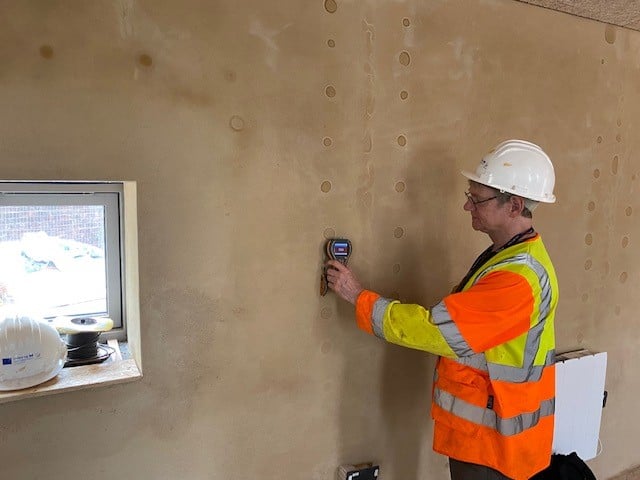
Professional moisture detection tools are often used to locate these hidden problems before they cause serious damage.
Why DIY Moisture Control Often Falls Short
Some homeowners attempt to control moisture using portable dehumidifiers or fans. While these methods can help temporarily, they rarely address underlying problems.
DIY approaches often fail because:
- Moisture sources remain untreated
- Hidden dampness persists inside walls or floors
- Airflow problems go unnoticed
- Humidity levels are not monitored accurately
Without identifying and correcting the root cause, moisture problems often return.
Professional Moisture Inspection Explained
A professional moisture inspection focuses on identifying where moisture is entering or accumulating and why it is not drying properly.
An inspection may include:
- Moisture mapping of walls, ceilings, and floors
- Checking ventilation and airflow
- Inspecting ductwork and HVAC systems
- Evaluating humidity levels indoors
- Identifying structural or drainage issues
Pompano Mold Inspection and Testing frequently performs these inspections in Fort Lauderdale and nearby communities to help property owners locate moisture sources before mold develops.
Mold Inspection and Testing When Moisture Is Present
When excess moisture persists, mold growth becomes a real risk. Mold spores are naturally present in the air, and damp materials provide an ideal environment for growth.
Mold inspection may involve:
- Visual assessment of high-risk areas
- Moisture detection in structural materials
- Air or surface testing when necessary
- Identifying conditions that support mold growth
Testing helps determine whether remediation is needed and ensures indoor air quality remains safe.
The Role of HVAC Systems in Moisture Control
Air conditioning systems are one of the most important tools for controlling indoor humidity in Fort Lauderdale homes. However, when HVAC systems are not properly maintained, they can contribute to moisture problems.
Common HVAC-related issues include:
- Clogged condensate drain lines
- Dirty evaporator coils
- Poor airflow causing condensation
- Duct leaks pulling humid air inside
Regular maintenance, duct cleaning, and proper insulation help prevent these problems.
Water Damage Repair and Flood Restoration
Severe moisture problems sometimes develop after flooding or leaks. In these cases, restoration may be necessary to remove water and dry structural materials.
Flood restoration and water damage repair may include:
- Water extraction
- Structural drying and dehumidification
- Cleaning and sanitizing surfaces
- Repairing damaged drywall or flooring
Prompt action helps prevent mold growth and long-term structural damage.
Practical Steps to Prevent Moisture Problems
Property owners in Fort Lauderdale can take several steps to reduce the risk of excess moisture.
Helpful measures include:
- Inspecting roofs and plumbing regularly
- Cleaning gutters and drainage systems
- Sealing windows and exterior gaps
- Maintaining AC systems and drain lines
- Monitoring indoor humidity levels
- Ensuring proper attic ventilation
Preventive maintenance is one of the most effective ways to protect a home from moisture damage.
Why Local Experience Matters
Moisture control in South Florida requires an understanding of regional climate patterns, construction materials, and humidity behavior. Homes in Fort Lauderdale often face different moisture challenges than homes in drier climates.
Professionals familiar with Fort Lauderdale, Deerfield Beach, and Lauderdale-by-the-Sea understand:
- How coastal humidity affects drying times
- Where moisture commonly accumulates
- Seasonal patterns that increase indoor humidity
- Typical building materials used locally
Pompano Mold Inspection and Testing works throughout Broward County, applying local knowledge to identify moisture issues accurately and recommend effective solutions.
A Practical Next Step for Property Owners
Moisture problems rarely improve on their own, but early detection and proper maintenance can prevent larger issues. Monitoring humidity, inspecting vulnerable areas, and scheduling professional inspections when needed help keep homes dry and comfortable.
For property owners in Fort Lauderdale, understanding moisture control is an important part of protecting property value, maintaining indoor air quality, and preventing mold growth—especially in a humid coastal climate.