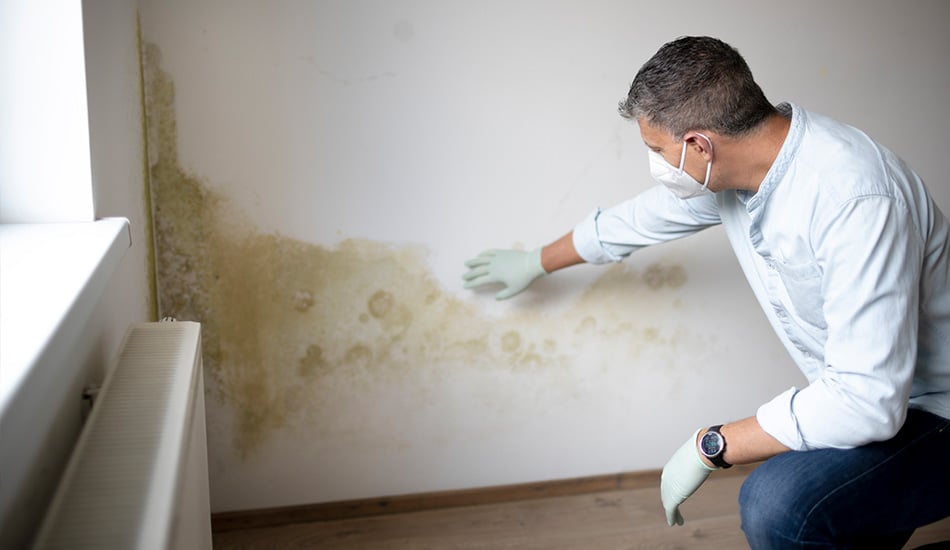
Understanding Mold Testing in Deerfield Beach: Professional Insights
Mold problems are a common concern for homeowners and property managers in Deerfield Beach. The combination of high humidity, frequent rain, and year-round air conditioning creates an environment where moisture can accumulate inside homes and buildings. When moisture remains trapped in walls, ceilings, flooring, or ductwork, mold can develop quickly—often in places that are not immediately visible. Mold testing plays an important role in identifying these problems early and helping property owners take the right steps to protect their homes.
Understanding how mold testing works and why it matters helps homeowners make informed decisions and prevent larger issues in the future.
What Mold Testing Is
Mold testing is the process of determining whether mold is present in a property, identifying the extent of contamination, and locating the moisture sources that allow mold to grow. Testing often includes a combination of visual inspection, moisture detection, and air or surface sampling when necessary.
Mold testing is particularly useful when:
- Musty odors are present but mold is not visible
- Water damage has recently occurred
- Indoor humidity remains high
- A property is being prepared for sale or rental
- Occupants notice persistent dampness or condensation
Testing provides information that helps guide proper remediation and repairs.
Why This Happens So Often in Pompano Beach and Deerfield Beach
Homes in Deerfield Beach, Pompano Beach, Lighthouse Point, and nearby Broward County communities experience environmental conditions that make mold growth more likely.
Several factors contribute:
- High humidity throughout most of the year
- Heavy seasonal storms and rain
- Flooding and water intrusion
- AC condensation and duct moisture
- Poor ventilation in enclosed spaces
Because air conditioners run frequently in South Florida, condensation and humidity control become critical parts of home maintenance. When these systems are not working efficiently, moisture can accumulate indoors.
Common Signs Homeowners Notice
Mold problems often begin quietly. Many homeowners first notice subtle warning signs before visible mold appears.
Common signs include:
- Musty or earthy odors
- Water stains on ceilings or walls
- Peeling paint or bubbling drywall
- Dark spots near vents or baseboards
- Persistent indoor humidity
- Condensation on windows or vents
These symptoms often indicate hidden moisture that should be inspected.
Hidden or Overlooked Sources
One of the main reasons mold testing is important is that mold often grows in concealed areas. Moisture can travel through building materials and remain trapped long after surfaces appear dry.
Common hidden sources include:
- Damp insulation in attics
- Moisture behind drywall
- Slow plumbing leaks
- Condensation inside air ducts
- Water trapped beneath flooring
Moisture detection tools help locate these problem areas accurately and prevent mold from spreading further.
Why DIY Mold Removal Usually Fails
Some homeowners attempt to remove mold using household cleaners or surface treatments. While this may temporarily improve appearance, it rarely addresses the root cause.
DIY removal often fails because:
- Moisture sources remain untreated
- Mold roots remain embedded in porous materials
- Spores spread during improper cleaning
- Hidden growth continues behind walls or ducts
Proper remediation requires identifying and correcting the moisture source as well as removing contamination safely.
Professional Mold Inspection & Testing Explained
Professional mold inspection and testing provide a thorough evaluation of the property. The goal is to determine whether mold is present, where moisture is accumulating, and what steps are needed to correct the issue.
A typical inspection may include:
- Visual examination of high-risk areas
- Moisture mapping of walls, ceilings, and floors
- Inspection of HVAC systems and ductwork
- Air or surface sampling when needed
Pompano Mold Inspection and Testing frequently performs these inspections in Deerfield Beach and surrounding communities, helping homeowners understand the extent of moisture or mold issues and plan appropriate repairs.
Proper Mold Removal & Remediation Process
If mold is confirmed, remediation focuses on removing contamination safely and preventing recurrence.
The process typically includes:
- Containing affected areas to prevent spore spread
- Using HEPA filtration to improve air quality
- Removing contaminated materials when necessary
- Cleaning and treating structural surfaces
- Drying and correcting moisture sources
This structured approach ensures mold is removed effectively and reduces the likelihood of future growth.
Flood Restoration & Water Damage Repair
Mold problems often develop after water damage from storms, plumbing leaks, or roof failures. Flood restoration and structural drying may be necessary before remediation can be completed.
Restoration steps may include:
- Water extraction
- Dehumidification and drying
- Cleaning and sanitizing surfaces
- Repairing damaged drywall or flooring
Prompt restoration helps prevent mold from spreading and reduces long-term repair costs.
Air Ducts, AC Systems & Mold
Air conditioning systems and ductwork play a major role in indoor moisture control. When condensation forms inside ducts or drain lines become clogged, mold can develop and spread through the ventilation system.
Common HVAC-related causes include:
- Condensation inside ducts
- Dirty evaporator coils
- Air leaks drawing humid air inside
- Poor airflow creating damp areas
Air duct cleaning and routine HVAC maintenance are often recommended after mold or moisture problems are discovered.
How to Prevent Mold in Pompano Beach and Deerfield Beach Homes
Preventing mold begins with controlling moisture and maintaining good ventilation.
Homeowners can reduce risk by:
- Inspecting roofs and plumbing regularly
- Maintaining HVAC systems and drain lines
- Monitoring indoor humidity levels
- Ensuring proper attic ventilation
- Cleaning gutters and drainage systems
- Scheduling periodic moisture inspections
Preventive maintenance is especially important before and during Florida’s rainy season.
Why Local Experience Matters
Mold testing in South Florida requires knowledge of regional climate patterns, building materials, and moisture behavior. Homes in Deerfield Beach often experience humidity and storm-related moisture that affect drying times and mold growth patterns.
Professionals familiar with Pompano Beach, Margate, Coconut Creek, and Fort Lauderdale understand:
- How humidity affects structural drying
- Where hidden moisture commonly develops
- Typical construction materials used locally
- Seasonal patterns that increase mold risk
Pompano Mold Inspection and Testing applies this local experience to help homeowners identify problems quickly and implement effective solutions.
A Calm, Trust-Based Next Step
Mold problems can be concerning, but they are manageable when addressed early. Scheduling mold testing when warning signs appear, correcting moisture sources, and completing proper remediation help protect both the structure of the home and indoor air quality.
For homeowners in Deerfield Beach, understanding mold testing and the professional insights behind it provides confidence and peace of mind. Early action helps keep homes dry, comfortable, and prepared for Florida’s humid climate.