How Mold Inspection and Testing Helps Homes in Fort Lauderdale During the Rainy Season
The rainy season in Fort Lauderdale brings heavy storms, high humidity, and frequent moisture intrusion. While the rain is expected, the hidden effects it leaves inside homes often go unnoticed. Moisture trapped in walls, ceilings, flooring, and air ducts creates ideal conditions for mold growth, especially in warm, humid climates like South Florida.
Mold inspection and testing are essential tools for identifying moisture problems early and preventing long-term damage. For homeowners and property managers, understanding how inspections help during the rainy season can make a major difference in protecting both the home and indoor air quality.
Why the Rainy Season Increases Mold Risk
Fort Lauderdale and nearby communities such as Lighthouse Point, Deerfield Beach, Pompano Beach, Margate, and Coconut Creek experience extended periods of rainfall each year. These conditions create several moisture-related risks.
Common factors that increase mold risk include:
- Heavy and frequent rainfall
- High outdoor humidity
- Roof and window leaks during storms
- Flooding or water intrusion
- Air-conditioning systems working harder and producing condensation
When moisture remains trapped indoors, mold can begin developing in as little as 24 to 48 hours.
What Mold Inspection and Testing Involve
Mold inspection is a detailed evaluation of a property to locate visible mold, detect hidden moisture, and identify conditions that support mold growth. Testing may be used to confirm mold presence or evaluate indoor air conditions when needed.
A typical inspection includes:
- Visual examination of affected areas
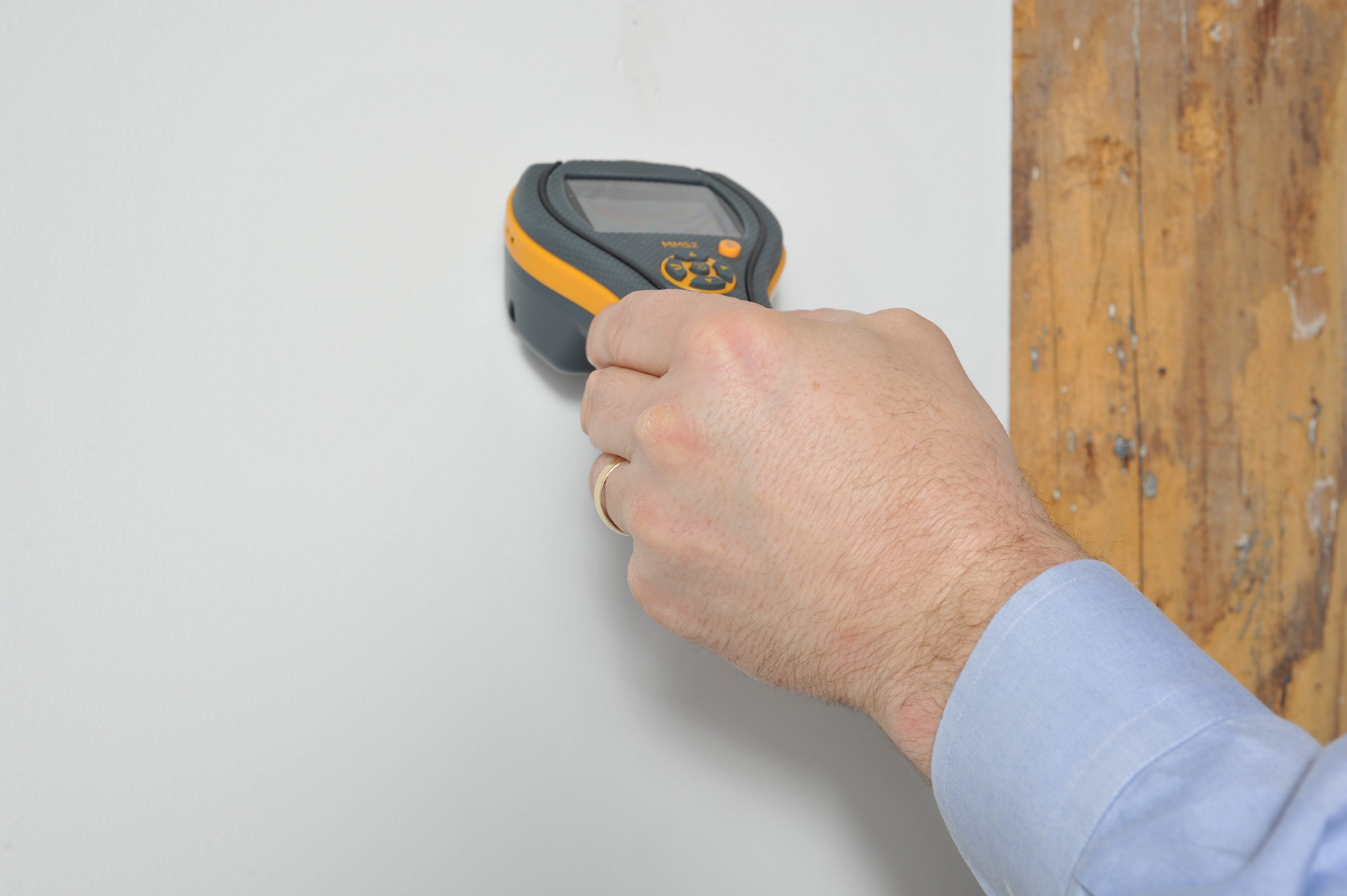
- Moisture meter readings in walls and flooring
- Humidity measurements
- Inspection of attics and HVAC systems
- Thermal imaging to locate hidden moisture
Testing helps determine whether mold spores are present at elevated levels and helps guide appropriate remediation steps.
Common Moisture Sources Found During Rainy Season Inspections
During inspections in Fort Lauderdale homes, moisture is often discovered in areas that homeowners rarely check.
Common problem areas include:
- Attics with roof leaks
- Wall cavities near windows
- Baseboards and flooring near exterior walls
- Closets and storage areas
- Air handlers and ductwork
Even small leaks during storms can allow moisture to accumulate in these hidden spaces.
Early Warning Signs Homeowners Should Watch For
Mold problems often begin quietly. Recognizing early warning signs can prevent more serious damage.
Homeowners should pay attention to:
- Musty or damp odors
- Peeling or bubbling paint
- Dark spots on ceilings or walls
- Warped baseboards
- Increased indoor humidity
- Condensation on windows or vents
These symptoms often indicate hidden moisture that requires inspection.
Why Mold Inspection Is Especially Important During the Rainy Season
Rainy season inspections are valuable because moisture problems may not be visible immediately after storms. Water can travel through building materials and settle in concealed areas.
Inspection helps by:
- Identifying leaks early
- Locating hidden moisture
- Preventing mold growth before it spreads
- Reducing long-term repair costs
Addressing problems early is far easier than repairing extensive mold damage later.
Hidden Areas Where Mold Often Develops
Mold frequently grows in areas with limited airflow and persistent moisture.
These areas include:
- Beneath carpet padding
- Behind drywall
- Inside air ducts
- Around attic insulation
- Under laminate flooring
Because these areas are concealed, mold can spread for weeks before being discovered.
Why DIY Mold Inspection Often Misses the Problem
Many homeowners rely on visual checks alone, but mold often develops in places that cannot be seen without specialized tools.
DIY inspections may miss:
- Moisture inside walls
- Early mold growth in attics
- Elevated humidity levels
- Mold inside ductwork
Professional inspections use equipment designed to detect moisture and hidden damage accurately.
How Mold Testing Helps Identify Problems
Testing is useful when mold is suspected but not visible or when indoor air quality concerns arise.
Testing methods may include:
- Air sampling to measure mold spores
- Surface sampling of suspected areas
- Humidity and moisture measurements
These results help determine whether mold is present and whether remediation is needed.
Companies such as Pompano Mold Inspection and Testing often use these methods to provide accurate information about indoor conditions.
The Role of HVAC Systems in Mold Growth
Air-conditioning systems are essential for controlling humidity in Fort Lauderdale homes, but they can also contribute to mold problems if moisture builds up.
Common HVAC-related issues include:
- Clogged condensate drain lines
- Dirty coils
- Sweating ducts
- Poor airflow
When mold develops inside ducts, spores can circulate throughout the home.
Routine inspection of HVAC systems is especially important during humid months.
Preventing Mold During the Rainy Season
Preventing mold requires controlling moisture and maintaining good ventilation.
Helpful prevention steps include:
- Inspecting roofs after storms
- Cleaning gutters regularly
- Sealing windows and doors
- Keeping indoor humidity below 60 percent
- Cleaning AC drain lines
- Using exhaust fans in kitchens and bathrooms
Monitoring indoor humidity is one of the most effective ways to catch moisture problems early.
Why Local Experience Matters
Mold inspection in South Florida requires an understanding of local climate conditions, construction styles, and seasonal moisture patterns.
Professionals who regularly work in Fort Lauderdale, Lighthouse Point, Deerfield Beach, and Margate understand:
- How storms affect local homes
- Where moisture typically accumulates
- Effective drying strategies for humid environments
- Construction methods common in coastal properties
This experience helps ensure inspections are thorough and accurate.
Taking Action Early Protects Your Home
Mold problems rarely improve without intervention. The sooner moisture is identified and addressed, the lower the risk of mold growth and structural damage.
If musty odors, stains, or signs of humidity appear during the rainy season, scheduling a professional inspection can provide clear answers and prevent larger problems. Pompano Mold Inspection and Testing is familiar with the types of moisture and mold issues common in Fort Lauderdale homes, and early evaluation often prevents costly repairs later.
Maintaining a dry, well-ventilated home and responding quickly to leaks or moisture is the best way to protect your property during Fort Lauderdale’s rainy season.