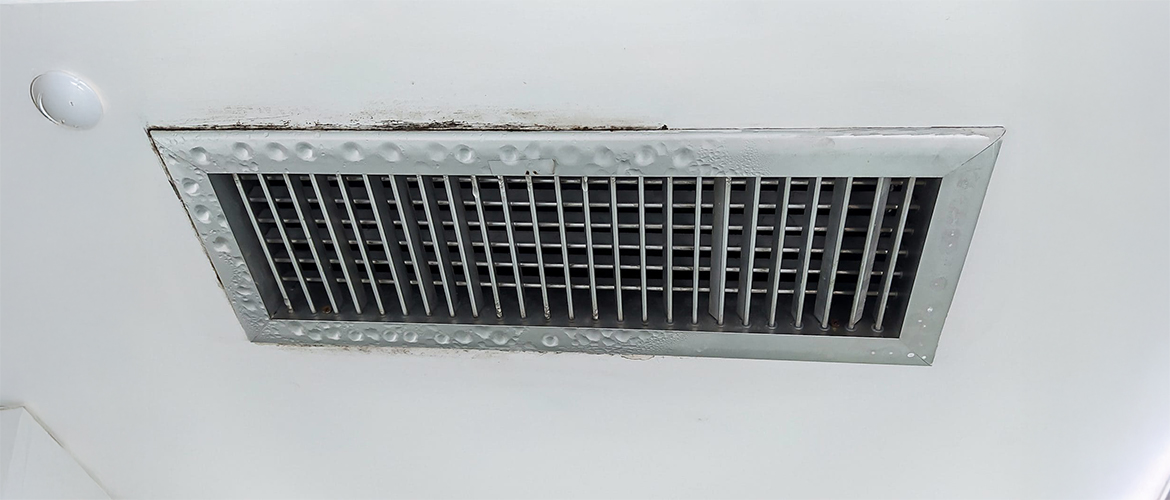
How AC Moisture Repair Helps Homes in Margate in Rental Properties
Air conditioning systems are essential in Margate, where warm temperatures and high humidity are part of everyday life. In rental properties, AC systems often run for long hours, and when moisture problems develop inside these systems, the effects can spread quickly through the home. Excess moisture can lead to mold growth, damaged drywall, musty odors, and poor indoor air quality—issues that concern both landlords and tenants.
Understanding how AC moisture repair works and why it matters helps property owners protect their investments and maintain healthy living conditions.
What AC Moisture Problems Are
Air conditioners remove humidity from indoor air as part of normal operation. Moisture collects on evaporator coils and drains through a condensate line. When this system works correctly, humidity stays under control.
However, problems develop when:
- Drain lines become clogged
- Drain pans overflow
- Coils freeze and thaw repeatedly
- Ductwork collects condensation
- Filters restrict airflow
When moisture remains trapped, it creates ideal conditions for mold and structural damage.
Why AC Moisture Issues Are Common in Margate
Margate and nearby communities like Pompano Beach, Coconut Creek, and North Lauderdale experience environmental conditions that increase the likelihood of AC moisture problems:
- High outdoor humidity year-round
- Frequent summer storms
- Long AC operating cycles
- Older HVAC systems in rental homes
- Poor maintenance between tenants
Rental properties are especially vulnerable because systems may run continuously, and small issues sometimes go unnoticed until tenants report odors or visible staining.
Common Signs Homeowners and Property Managers Notice
AC-related moisture problems often show early warning signs before major damage occurs. These include:
- Musty odors when the AC runs
- Water stains near vents or ceilings
- Increased indoor humidity
- Visible mold near registers
- Dripping sounds inside walls or ceilings
Tenants may also notice discomfort, such as rooms feeling damp even when the AC is running.
Recognizing these signs early allows repairs to be completed before mold spreads or materials deteriorate.
Hidden or Overlooked Sources of AC Moisture
Some moisture problems are not immediately visible. In Margate rental properties, common hidden sources include:
- Condensation inside duct systems
- Blocked condensate drain lines
- Wet insulation around air handlers
- Moisture buildup in closets housing HVAC equipment
- Poorly sealed duct joints in attics
Because these areas are rarely inspected between tenants, moisture can accumulate gradually.
Why DIY AC Moisture Fixes Usually Fail
Property owners sometimes attempt quick fixes such as cleaning vents or replacing filters. While these steps help airflow, they rarely address the underlying moisture source.
DIY repairs often fail because:
- Drain line blockages remain inside the system
- Hidden duct condensation goes untreated
- Mold inside air handlers is missed
- Moisture inside walls or ceilings is not detected
Without identifying the root cause, moisture problems tend to return.
Professional Inspection and Moisture Detection
Professional inspections provide a clear picture of the situation. Technicians evaluate:
- Condensate drain systems
- Air handler components
- Humidity levels inside the home
- Ductwork condition
- Moisture levels in surrounding materials
Tools such as moisture meters and thermal imaging help locate damp areas that are not visible.
In Margate and surrounding areas, inspections often reveal issues related to clogged drain lines, improper installation, or aging systems.
Step-by-Step AC Moisture Repair Process
Professional AC moisture repair follows a structured approach to restore proper function and prevent mold growth.
Step 1: System Inspection
The HVAC system is examined to identify where moisture is accumulating and why drainage is not functioning properly.
Step 2: Drain Line Cleaning and Repair
Condensate lines are flushed and cleared to ensure water flows freely out of the system.
Step 3: Coil and Drain Pan Service
Evaporator coils and drain pans are cleaned to remove buildup that traps moisture.
Step 4: Duct Inspection and Cleaning
If moisture has entered ductwork, affected sections are cleaned and dried to prevent mold growth.
Step 5: Drying and Dehumidification
Any damp surrounding materials, such as drywall or insulation, are dried using professional equipment.
Step 6: Final Testing
The system is tested to confirm proper drainage, airflow, and humidity control.
Companies such as Pompano Mold Inspection and Testing often assist property owners in identifying and correcting these issues to restore healthy indoor conditions.
Flood Restoration and Water Damage Repair When Needed
In some cases, AC moisture problems lead to water damage that requires restoration work. This may include:
- Removing water-damaged drywall
- Drying structural framing
- Cleaning affected surfaces
- Restoring flooring or ceilings
Quick action reduces the risk of mold growth and structural deterioration.
Air Ducts, Ventilation, and Mold Risk
Air ducts can carry moisture throughout a home when condensation forms inside the system. Rental properties with older ductwork or poor insulation are particularly vulnerable.
Signs of duct-related moisture problems include:
- Uneven cooling
- Persistent musty odors
- Dust buildup near vents
- Increased allergy complaints from tenants
Regular duct inspections and cleaning help maintain proper airflow and reduce moisture buildup.
How AC Moisture Repair Benefits Rental Properties
Repairing AC moisture problems provides several important benefits for landlords and property managers:
- Prevents mold growth and structural damage
- Protects ceilings, drywall, and flooring
- Improves tenant comfort and air quality
- Reduces emergency repair costs
- Extends HVAC system lifespan
Maintaining moisture control also helps reduce turnover issues caused by indoor air quality complaints.
Preventing Future AC Moisture Problems
Preventative maintenance is the most effective way to avoid recurring issues. Property owners in Margate can reduce risk by:
- Scheduling annual HVAC inspections
- Cleaning condensate lines regularly
- Replacing air filters routinely
- Ensuring proper attic ventilation
- Monitoring indoor humidity levels
- Inspecting systems between tenants
These steps help keep AC systems functioning efficiently and prevent moisture buildup.
Why Local Experience Matters
Moisture problems in South Florida are different from those in drier climates. Coastal humidity, heavy rain, and long cooling seasons create unique challenges.
Local professionals understand:
- How humidity affects duct systems
- Common installation issues in Broward County homes
- Drainage problems related to storm season
- Moisture patterns in rental properties
This knowledge ensures repairs address real causes rather than temporary symptoms.
A Practical Next Step for Property Owners
AC moisture problems often begin quietly but can lead to expensive repairs if ignored. When tenants report musty odors, water stains, or humidity issues, scheduling an inspection is the most effective way to prevent larger damage.
Experienced local companies such as Pompano Mold Inspection and Testing help property owners in Margate identify moisture sources, repair AC-related problems, and maintain safe, comfortable rental homes throughout the year.