Home Moisture Control Services in Margate After Storm Damage: What Property Owners Should Know
Storms are a routine part of life in Margate, and while many homes appear fine after heavy rain, moisture often finds its way into places that are not immediately visible. Roof leaks, wind-driven rain, clogged drainage systems, and minor structural gaps can allow water to enter walls, ceilings, and flooring. When this moisture is not properly addressed, it can lead to mold growth, material deterioration, and poor indoor air quality.
Understanding how home moisture control services work after storm damage helps property owners protect their homes, reduce repair costs, and prevent long-term structural issues.
What Home Moisture Control Means
Moisture control involves identifying, removing, and preventing excess moisture inside a home. After a storm, this process becomes especially important because water may have entered hidden areas that take longer to dry naturally.
Moisture control services typically include:
- Moisture detection and inspection
- Structural drying and dehumidification
- Leak identification and repair recommendations
- Mold prevention measures
- Monitoring humidity levels
These steps help restore safe indoor conditions and prevent secondary damage.
Why Storm Damage Often Leads to Moisture Problems in Margate
Homes in Margate and nearby areas like Coconut Creek, North Lauderdale, and Pompano Beach experience environmental conditions that increase the risk of moisture buildup after storms.
These conditions include:
- High humidity that slows evaporation
- Heavy rainfall during storm season
- Warm temperatures that promote mold growth
- Air conditioning systems that circulate humid air
- Roof and window exposure to wind-driven rain
Even small amounts of water trapped inside building materials can remain damp for days if not properly dried.
Common Signs of Moisture Problems After a Storm
Many property owners notice warning signs within a few days of storm damage. These signs may include:
- Musty or damp odors
- Water stains on ceilings or walls
- Peeling paint or bubbling drywall
- Warped baseboards or flooring
- Increased indoor humidity
Sometimes these symptoms appear gradually, especially when moisture is hidden behind surfaces.
Hidden Areas Where Moisture Often Accumulates
Storm-related moisture does not always remain visible. Some of the most common hidden areas affected include:
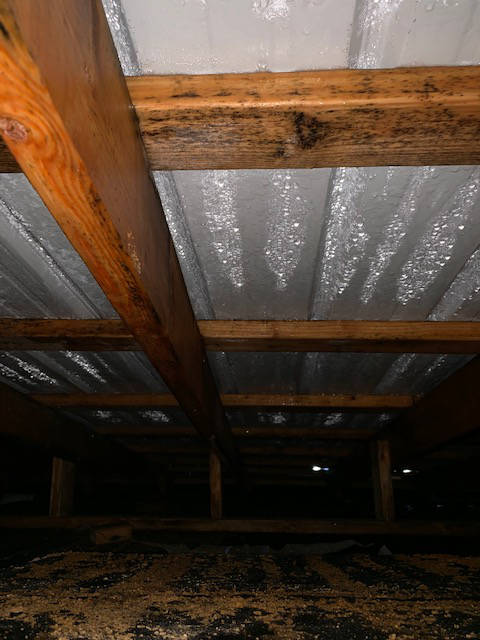
- Attics and roof decking
- Wall cavities and insulation
- Under flooring or carpets
- Around window frames and door seals
- Inside air ducts
Because these areas are rarely inspected, moisture can remain trapped long enough for mold to begin developing.
Why Quick Drying Is Important
Drying a home properly after storm damage is essential. When materials such as drywall, wood, or insulation remain damp, they begin to deteriorate and can support mold growth.
Professional drying equipment removes moisture far more effectively than natural air drying or household fans. Rapid drying also helps preserve structural materials and reduces the likelihood of major repairs.
Professional Moisture Detection and Inspection
A thorough inspection is the first step in effective moisture control. Professionals use specialized tools to determine where moisture is present and how far it has spread.
These tools may include:
- Moisture meters for walls and flooring
- Thermal imaging cameras to detect hidden damp areas
- Hygrometers to measure indoor humidity
- Visual inspection of roofing, attics, and ductwork
This process allows technicians to identify both visible and hidden moisture before remediation begins.
Companies such as Pompano Mold Inspection and Testing often assist homeowners in Margate by locating moisture sources and helping prevent mold problems after storms.
Step-by-Step Moisture Control Process After Storm Damage
Professional moisture control typically follows a structured approach designed to restore safe indoor conditions.
Step 1: Inspection and Moisture Mapping
Technicians evaluate all areas that may have been exposed to water, including ceilings, walls, and flooring.
Step 2: Water Removal if Necessary
Standing water or heavily saturated materials are addressed first to prevent further absorption.
Step 3: Structural Drying
Industrial air movers and dehumidifiers remove moisture trapped inside building materials.
Step 4: Humidity Stabilization
Indoor humidity is reduced to safe levels to prevent mold growth.
Step 5: Monitoring and Verification
Moisture levels are rechecked to confirm that materials have dried completely.
This systematic approach ensures the home is fully dried rather than only addressing surface moisture.
Flood Restoration and Water Damage Repair
In cases where storms cause significant water intrusion, restoration work may be necessary. This process may include:
- Removing damaged drywall or insulation
- Cleaning and sanitizing affected surfaces
- Repairing structural components
- Replacing flooring or baseboards
Proper restoration helps ensure the home is returned to safe and stable conditions.
Air Ducts, AC Systems, and Moisture After Storms
Air conditioning systems and ductwork can be affected when humidity levels rise or water enters attic spaces. Moisture inside ducts can spread through the home when the system operates.
Signs of duct-related moisture problems include:
- Musty smells when the AC runs
- Condensation near vents
- Uneven cooling or humidity levels
Inspecting duct systems after storm damage helps prevent mold growth and improves indoor air quality.
Costs of Moisture Control and Repairs
Costs vary depending on the severity of the damage and how quickly the problem is addressed.
Generally:
- Minor moisture detection and drying are relatively affordable
- Moderate repairs involving localized drying and small material replacement are moderate in cost
- Extensive restoration after significant storm damage may require larger repairs
Early detection usually reduces the overall cost of repairs and restoration.
How Property Owners Can Prevent Future Moisture Problems
Preventative maintenance helps reduce the likelihood of moisture damage after storms.
Property owners in Margate can:
- Inspect roofs and gutters regularly
- Seal windows and exterior openings
- Ensure proper attic ventilation
- Maintain HVAC systems and drain lines
- Monitor indoor humidity levels
- Schedule periodic moisture inspections
Taking these steps helps ensure small issues are identified before they become major problems.
Why Local Experience Matters
Moisture problems in South Florida are different from those in other climates. Homes in Margate are affected by coastal humidity, seasonal storms, and construction methods common in Broward County.
Local professionals understand:
- How moisture behaves in humid environments
- Common storm-related intrusion points
- Drying requirements for local building materials
- HVAC and duct moisture issues typical in the region
This experience helps ensure repairs are effective and long-lasting.
A Practical Next Step for Property Owners
After storm damage, even small signs of moisture should not be ignored. Early inspection and proper drying can prevent mold growth, protect structural materials, and maintain healthy indoor conditions.
Homeowners and property managers in Margate often rely on experienced local providers such as Pompano Mold Inspection and Testing to locate hidden moisture, control humidity, and restore homes safely after storms. Acting early helps prevent long-term damage and keeps properties comfortable and well-maintained.