Property Owner Guide to Mold Removal in Lighthouse Point
Mold growth is a common concern for property owners in Lighthouse Point. The coastal climate, high humidity, and frequent rain create conditions where moisture can build up quickly inside homes. When mold begins to grow, it can spread quietly through walls, ceilings, flooring, and air systems. Understanding how mold removal works and why proper remediation is important helps property owners protect their investment and maintain safe living conditions.
This guide explains the causes of mold, how removal is performed, and practical steps property owners can take to prevent future problems.
What Mold Removal Means
Mold removal is the process of safely eliminating mold contamination and addressing the moisture source that allowed it to grow. It involves much more than cleaning visible mold.
A complete mold removal process typically includes:
- Identifying moisture sources
- Containing affected areas
- Removing contaminated materials
- Cleaning and treating surfaces
- Drying and restoring the structure
Proper removal prevents mold from returning and helps restore indoor air quality.
Why Mold Is Common in Lighthouse Point Homes
Homes in Lighthouse Point face environmental conditions that naturally support mold growth. These include:
- High year-round humidity
- Warm temperatures
- Frequent storms and heavy rain
- Air conditioning condensation
- Limited ventilation in attics and crawl spaces
Nearby communities such as Deerfield Beach, Pompano Beach, and Lauderdale-by-the-Sea experience similar conditions, making mold inspection and remediation an important part of home maintenance in Broward County.
Common Causes of Mold Growth
Understanding the causes of mold helps property owners prevent future issues.
Roof Leaks
Storm damage or aging roofing materials can allow water to enter attic spaces and ceilings.
Plumbing Leaks
Leaks under sinks, behind walls, or near appliances often go unnoticed until mold develops.
AC Condensation
Air conditioning systems produce moisture that must drain properly. Clogged drain lines can allow water to accumulate.
Poor Ventilation
Bathrooms, kitchens, and laundry areas produce humidity that can remain trapped without proper airflow.
Flooding or Water Intrusion
Heavy rain and drainage issues can introduce water into living areas or foundations.
Early Signs of Mold Problems
Mold often develops before it becomes visible. Property owners may notice:
- Musty or damp odors
- Dark spots on walls or ceilings
- Peeling paint or bubbling drywall
- Warped flooring or baseboards
- Increased indoor humidity
Recognizing these signs early allows mold problems to be addressed before damage spreads.
Hidden Areas Where Mold Often Develops
Mold frequently grows in areas that are difficult to inspect, including:
- Inside wall cavities
- Beneath carpets or flooring
- Attic insulation and roof decking
- Around air handlers and ducts
- Behind cabinets and appliances
Because moisture can remain trapped in these areas, professional inspection is often necessary.
Why DIY Mold Removal Usually Fails
Many homeowners attempt to clean mold with household cleaners, but these methods often fail to solve the problem.
DIY removal is ineffective because:
- Mold roots penetrate porous materials
- Moisture sources remain untreated
- Hidden mold colonies are missed
- Spores can spread during improper cleaning
Professional remediation ensures that contamination is fully removed and moisture problems are corrected.
Mold Inspection and Testing Before Removal
Before removal begins, a thorough inspection is essential. Professionals evaluate:
- Moisture levels in building materials
- Areas of visible and hidden mold
- Sources of water intrusion
- Indoor air quality when necessary
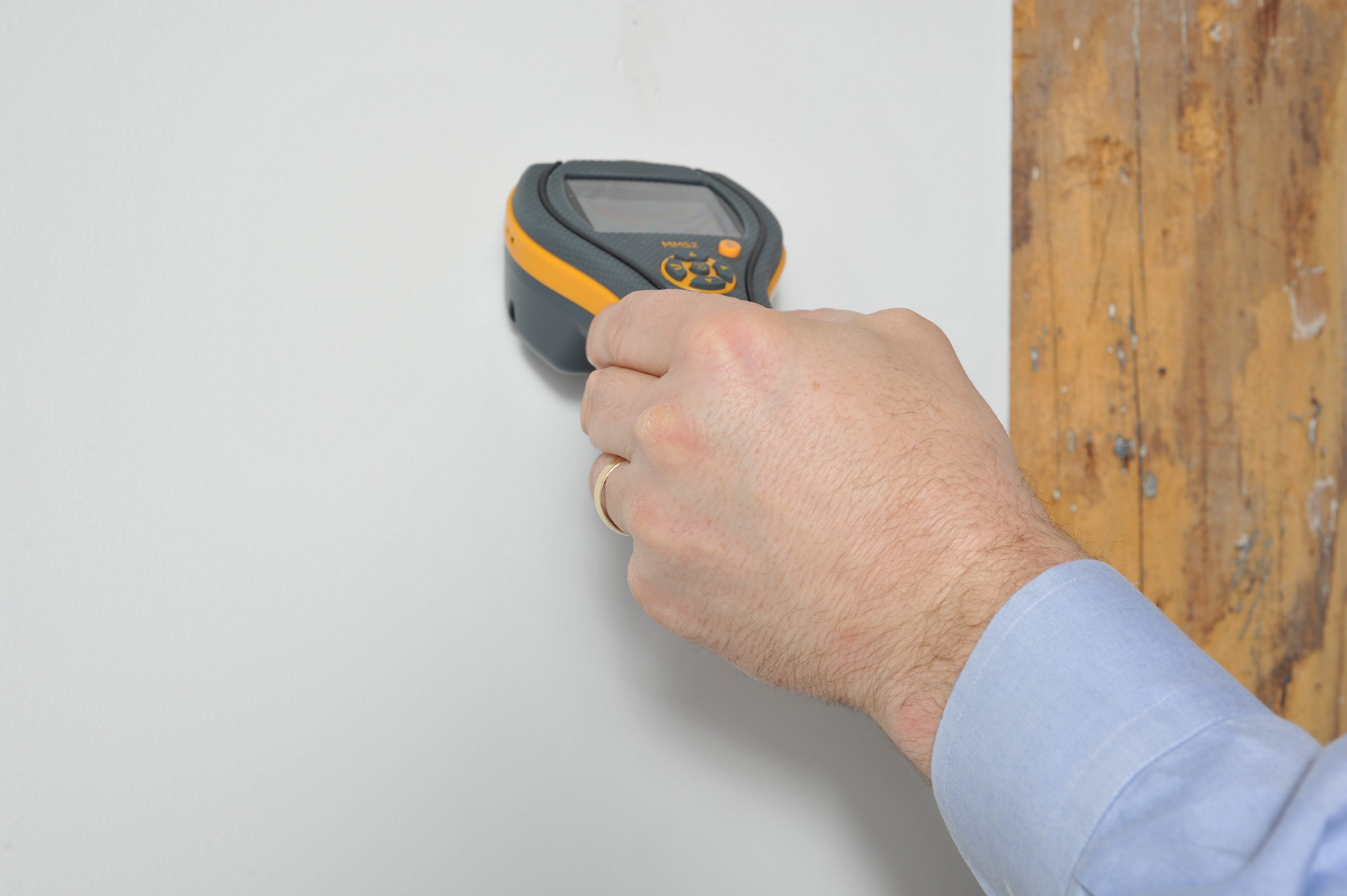
Moisture meters and thermal imaging help locate damp areas that are not visible.
Companies such as Pompano Mold Inspection and Testing often assist property owners in Lighthouse Point by identifying mold problems early and recommending effective remediation steps.
Step-by-Step Mold Removal Process
Professional mold removal typically follows a structured procedure.
Step 1: Containment
Affected areas are sealed to prevent mold spores from spreading to other parts of the home.
Step 2: Air Filtration
HEPA air filtration equipment removes airborne spores and improves indoor air quality.
Step 3: Removal of Contaminated Materials
Porous materials such as drywall, insulation, or carpeting may be removed if mold has penetrated deeply.
Step 4: Cleaning and Treatment
Surfaces are cleaned using specialized antimicrobial solutions to eliminate mold residues.
Step 5: Drying and Dehumidification
Industrial drying equipment removes remaining moisture to prevent mold from returning.
Step 6: Final Inspection
Moisture levels are checked to confirm the area is dry and safe.
This process ensures mold is removed completely and safely.
Water Damage Repair and Restoration
Mold problems are often linked to water damage. Restoration may include:
- Repairing drywall and insulation
- Replacing damaged flooring
- Sealing and repainting surfaces
- Correcting plumbing or roof leaks
Addressing both water damage and mold ensures long-term results.
Air Ducts, AC Systems, and Mold
Air ducts and HVAC systems can spread mold spores if moisture accumulates inside the system.
Signs of duct-related mold issues include:
- Musty odors when the AC runs
- Dust or debris around vents
- Uneven cooling or humidity
Duct inspection and cleaning may be recommended to restore indoor air quality.
Preventing Mold in Lighthouse Point Homes
Property owners can reduce mold risk by following practical maintenance steps:
- Fix leaks promptly
- Maintain HVAC systems regularly
- Use exhaust fans in bathrooms and kitchens
- Monitor indoor humidity levels
- Inspect attics and crawl spaces periodically
Routine maintenance helps prevent moisture buildup and mold growth.
Why Local Experience Matters
Mold removal in coastal environments requires understanding regional conditions. Professionals familiar with Lighthouse Point understand:
- Humidity patterns that affect homes
- Common moisture intrusion points
- Construction styles used in Broward County
- Proper drying methods for humid climates
This local knowledge helps ensure remediation is effective and long-lasting.
A Practical Next Step for Property Owners
Mold problems rarely resolve on their own, and small issues can grow into costly repairs if ignored. Scheduling an inspection when early signs appear helps protect the structure of the home and maintain healthy indoor air quality.
Property owners in Lighthouse Point often rely on experienced local providers such as Pompano Mold Inspection and Testing to locate hidden moisture, perform mold removal safely, and restore homes to safe conditions. Acting early helps prevent larger repairs and keeps properties comfortable and well-maintained year-round.