How Moisture Detection Helps Homes in Coconut Creek in Humid Florida Summers
Summers in Coconut Creek bring intense heat, heavy rainfall, and consistently high humidity. While these conditions are typical for South Florida, they also create an environment where moisture problems can develop quickly inside homes. Excess moisture often accumulates in hidden areas, leading to mold growth, structural damage, and indoor air quality concerns if not detected early.
Moisture detection is one of the most effective ways to identify hidden water issues before they turn into costly repairs. Understanding how moisture detection works and why it matters during humid Florida summers helps homeowners and property managers protect their properties.
Why Humid Summers Increase Moisture Problems
During summer months, humidity levels in Coconut Creek often remain high for extended periods. Warm, moisture-laden air can affect homes in several ways:
- Condensation forming on cool surfaces
- Increased AC usage producing more condensation
- Slower drying of building materials
- Higher risk of mold growth
- Greater strain on ventilation systems
Nearby communities such as Margate, North Lauderdale, and Pompano Beach experience similar seasonal conditions, making moisture detection an important part of summer home maintenance across Broward County.
What Moisture Detection Is
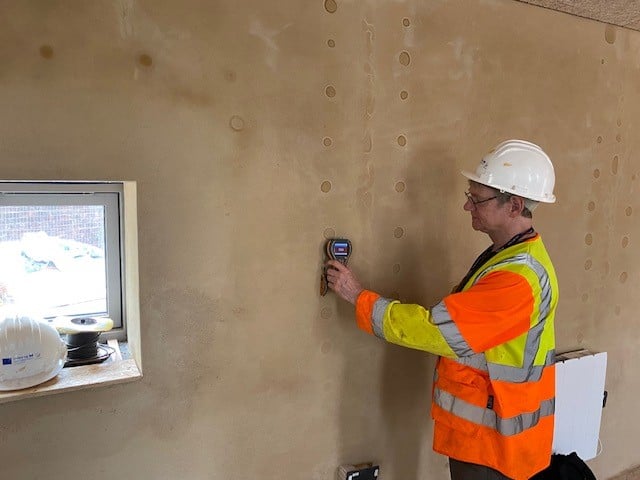
Moisture detection is the process of locating hidden dampness in building materials, walls, ceilings, and flooring. Professional technicians use specialized tools to measure moisture levels and identify areas that may not show visible signs of water damage.
Moisture detection helps determine:
- Whether water intrusion is present
- How far moisture has spread
- Which materials are affected
- Whether drying or repairs are needed
This information allows homeowners to address problems before they worsen.
Common Sources of Moisture in Summer
Several factors contribute to moisture buildup in Coconut Creek homes during humid weather.
Air Conditioning Condensation
AC systems work harder during summer, producing large amounts of condensation. If drain lines clog or airflow is restricted, moisture may accumulate around air handlers or ducts.
Roof Leaks and Storms
Frequent summer storms can allow water to enter through roofs, flashing, or windows.
Plumbing Leaks
Even small leaks can introduce moisture into walls or cabinets, especially when humidity slows evaporation.
Poor Ventilation
Bathrooms, kitchens, and laundry areas generate moisture that may remain trapped without proper airflow.
Humid Outdoor Air
When doors or windows are opened frequently, humid air can enter and raise indoor moisture levels.
Early Signs That Moisture May Be Present
Moisture problems often begin quietly, but homeowners may notice subtle warning signs.
Common signs include:
- Musty or damp odors
- Water stains on ceilings or walls
- Peeling paint or bubbling drywall
- Warped baseboards or flooring
- Increased indoor humidity
These signs often indicate moisture trapped inside building materials.
Hidden Areas Where Moisture Often Accumulates
Moisture frequently develops in places that are not easy to inspect.
Common hidden locations include:
- Inside wall cavities
- Beneath flooring or carpets
- Attic insulation and roof decking
- Around air handlers and ductwork
- Behind cabinets and appliances
Because these areas are enclosed, moisture can remain undetected for long periods without professional inspection.
How Professional Moisture Detection Works
Professional moisture detection involves a systematic process to identify hidden dampness and determine its source.
Step 1: Visual Inspection
Technicians inspect areas prone to moisture, including ceilings, bathrooms, kitchens, and attic spaces.
Step 2: Moisture Meter Readings
Moisture meters measure the level of dampness inside walls, flooring, and other materials.
Step 3: Thermal Imaging
Infrared cameras help locate hidden moisture behind walls or ceilings by detecting temperature differences.
Step 4: Source Identification
Once moisture is located, technicians determine the cause, such as condensation, leaks, or ventilation problems.
Companies such as Pompano Mold Inspection and Testing often assist homeowners in Coconut Creek by identifying hidden moisture and recommending effective solutions.
Why Moisture Detection Matters in Humid Summers
Moisture detection provides several important benefits, especially during humid months.
Prevents Mold Growth
Mold can begin developing when moisture remains in materials. Early detection helps prevent contamination.
Protects Structural Materials
Wood framing, drywall, and insulation can weaken when exposed to prolonged moisture.
Improves Indoor Air Quality
Reducing moisture helps prevent odors and airborne contaminants.
Reduces Repair Costs
Addressing moisture early often prevents larger restoration projects later.
Structural Drying and Moisture Control Solutions
If moisture is detected, several solutions may be recommended depending on the cause and severity.
These may include:
- Structural drying with air movers and dehumidifiers
- Repairing leaks or drainage problems
- Cleaning and maintaining AC drain lines
- Improving ventilation in humid areas
- Inspecting ductwork for condensation
These steps help restore safe moisture levels and prevent future problems.
Mold Risks During Humid Summers
One of the most serious risks of excess moisture is mold growth. Warm temperatures and high humidity create ideal conditions for mold spores to settle and multiply.
Moisture detection helps prevent:
- Mold remediation costs
- Persistent odors
- Damage to drywall and insulation
- Indoor air quality issues
Early detection significantly reduces these risks.
HVAC Systems and Summer Moisture
Air conditioning systems play a major role in controlling indoor humidity, but they can also contribute to moisture problems if not maintained.
Signs of HVAC-related moisture issues include:
- Musty odors when the AC runs
- Water near air handlers
- Condensation around vents
- Uneven cooling
Regular inspection and maintenance help prevent these problems.
Practical Prevention Tips That Work
Homeowners in Coconut Creek can reduce the risk of moisture problems during summer by following practical steps:
- Replace air filters regularly
- Schedule annual HVAC maintenance
- Clean condensate drain lines periodically
- Use exhaust fans in bathrooms and kitchens
- Monitor indoor humidity levels
- Inspect attics and ductwork for moisture
These simple measures help maintain proper moisture control.
Why Local Experience Matters
Moisture detection in South Florida requires understanding local climate conditions and building practices. Professionals familiar with Coconut Creek understand:
- How humidity affects drying times
- Common moisture intrusion points in Broward County homes
- Condensation behavior in attic ducts
- Proper drying techniques for humid climates
This knowledge helps ensure inspections and solutions are effective.
A Practical Next Step for Homeowners
Moisture problems often begin quietly, especially during humid Florida summers. Scheduling a professional moisture inspection when early signs appear helps protect structural materials, prevent mold growth, and maintain comfortable indoor conditions.
Homeowners and property managers in Coconut Creek often rely on experienced local providers such as Pompano Mold Inspection and Testing to locate hidden moisture, perform structural drying, and restore homes safely. Acting early helps prevent costly repairs and keeps homes comfortable throughout the summer season.