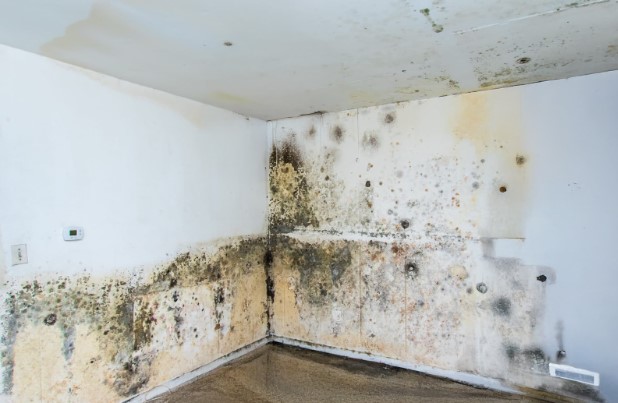
How Water Damage Repair Helps Homes in Fort Lauderdale After Storm Damage
Storms are a regular part of life in Fort Lauderdale. Heavy rainfall, strong winds, and wind-driven rain can quickly introduce water into homes through roofs, windows, walls, and foundations. Even when storm damage appears minor, moisture can spread into building materials and create long-term problems if repairs and drying are delayed.
Water damage repair plays a critical role in restoring homes after storms. It removes moisture, repairs structural damage, and prevents issues such as mold growth, wood rot, and deterioration of drywall and flooring. Understanding how water damage repair works helps homeowners and property managers act quickly and protect their property.
How Storm Damage Leads to Water Intrusion
Storms can introduce water into homes in several ways. Some problems are obvious, while others develop slowly and remain hidden.
Common causes include:
- Roof leaks caused by damaged shingles or flashing
- Wind-driven rain entering through windows or doors
- Clogged gutters or poor drainage allowing water intrusion
- Flooding in low-lying areas
- Water entering attic spaces or ceiling cavities
Once water enters, it can spread into insulation, drywall, flooring, and structural framing.
Why Storm-Related Water Damage Is Common in Fort Lauderdale
Fort Lauderdale and nearby communities such as Lauderdale-by-the-Sea, Pompano Beach, and Lighthouse Point experience environmental conditions that make storm damage more likely.
These conditions include:
- Intense seasonal storms and heavy rainfall
- High humidity levels that slow drying
- Warm temperatures that allow moisture to linger
- Coastal winds that drive rain into structures
Because materials dry slowly in humid climates, water damage repair often requires professional drying equipment to prevent long-term issues.
Early Warning Signs of Water Damage After a Storm
After a storm passes, homeowners should look for signs that water may have entered the home. Some warning signs may not appear immediately.
Common indicators include:
- Water stains on ceilings or walls
- Damp or musty odors
- Warped flooring or baseboards
- Peeling paint or bubbling drywall
- Damp insulation in attics
These signs often indicate moisture trapped inside building materials.
Hidden Areas Where Water Damage Often Develops
Storm water frequently spreads into areas that are difficult to inspect.
Common hidden locations include:
- Inside wall cavities
- Beneath carpets or flooring
- Attic insulation and roof decking
- Around HVAC systems and ductwork
- Behind cabinets or appliances
Because moisture can remain trapped in these spaces, professional inspection is often recommended.
Why Prompt Water Damage Repair Is Important
Repairing water damage quickly provides several important benefits.
Prevents Mold Growth
Mold can begin developing when moisture remains in building materials. Drying and repairs help prevent contamination.
Protects Structural Materials
Wood framing, drywall, and insulation can weaken when exposed to moisture over time.
Reduces Long-Term Repair Costs
Addressing water damage early often prevents more extensive restoration later.
Maintains Indoor Air Quality
Drying damp materials helps prevent odors and airborne contaminants.
Step-by-Step Water Damage Repair Process
Professional water damage repair follows a structured process to ensure thorough drying and restoration.
Step 1: Inspection and Damage Assessment
Technicians evaluate the affected areas and determine how far moisture has spread. Moisture detection equipment helps locate hidden water.
Step 2: Water Removal and Extraction
Standing water is removed using extraction equipment. This prevents further saturation of building materials.
Step 3: Structural Drying
Air movers and dehumidifiers are used to remove moisture from walls, flooring, and structural components.
Step 4: Cleaning and Sanitizing
Surfaces affected by water are cleaned and treated to prevent microbial growth and odors.
Step 5: Repairs and Restoration
Damaged drywall, insulation, flooring, or baseboards may be repaired or replaced.
Step 6: Final Moisture Verification
Moisture levels are checked to confirm that the structure is fully dry and safe.
Companies such as Pompano Mold Inspection and Testing often assist homeowners in Fort Lauderdale by identifying hidden moisture and ensuring drying and repairs are completed properly.
Mold Risks After Storm Damage
One of the most significant risks following storm damage is mold growth. Warm temperatures and high humidity create ideal conditions for mold when materials remain damp.
Water damage repair helps prevent:
- Mold remediation costs
- Persistent odors
- Damage to structural materials
- Indoor air quality problems
Early drying and repairs significantly reduce these risks.
HVAC Systems and Storm-Related Moisture
Storm damage can also affect HVAC systems. Water intrusion in attics or ceilings may impact ductwork and air handlers.
Signs of HVAC-related moisture problems include:
- Musty odors when the AC runs
- Condensation near vents
- Reduced airflow
Inspecting HVAC components after storm damage helps prevent moisture from spreading through the home.
Preventing Future Storm Damage
While storms cannot be avoided, homeowners can reduce the risk of water damage by taking preventative steps:
- Inspect roofs regularly and repair damage promptly
- Keep gutters and downspouts clean
- Seal windows and doors properly
- Maintain proper drainage around the home
- Schedule periodic moisture inspections
Routine maintenance helps reduce the impact of future storms.
Why Local Experience Matters
Water damage repair in coastal South Florida requires understanding regional weather patterns and building practices. Professionals familiar with Fort Lauderdale understand:
- How humidity affects drying times
- Common storm-related water intrusion points
- Construction methods used in Broward County homes
- Proper drying techniques for humid climates
This local knowledge helps ensure repairs are effective and long-lasting.
A Practical Next Step for Homeowners
Storm damage can introduce hidden moisture that may not be immediately visible. Scheduling an inspection and beginning water damage repair as soon as possible helps protect structural materials, prevent mold growth, and restore comfortable indoor conditions.
Homeowners and property managers in Fort Lauderdale often rely on experienced local providers such as Pompano Mold Inspection and Testing to locate hidden moisture, perform structural drying, and restore homes after storms. Acting quickly helps prevent long-term damage and keeps homes safe year-round.