Moisture Detection Services in Fort Lauderdale from AC Condensation: Warning Signs and Prevention Tips
Air conditioning systems are essential in Fort Lauderdale homes. With temperatures remaining warm most of the year and humidity levels often high, AC systems run frequently to keep indoor spaces comfortable. While these systems remove humidity from the air, they can also become a hidden source of moisture when condensation issues develop.
Moisture detection plays an important role in identifying AC-related water problems before they lead to mold growth or structural damage. Understanding the warning signs and prevention methods helps homeowners protect their properties and avoid costly repairs.
What Moisture Detection Is and Why It Matters
Moisture detection is the process of locating hidden damp areas inside walls, ceilings, floors, or HVAC systems. Unlike visible leaks, condensation-related moisture often develops slowly and remains unnoticed until damage begins to appear.
Professional moisture detection helps determine:
- Whether excess moisture is present
- Where condensation is forming
- Whether mold risk is increasing
- Which repairs or maintenance steps are needed
Early detection prevents small problems from becoming major restoration projects.
Why AC Condensation Problems Are Common in Fort Lauderdale
Fort Lauderdale and nearby communities like Pompano Beach, Deerfield Beach, and Margate experience environmental conditions that increase the likelihood of condensation-related moisture problems.
Common contributing factors include:
- High humidity year-round
- Continuous air conditioning use
- Temperature differences between ducts and surrounding air
- Poor ventilation in attics or closets
- Clogged condensate drain lines
Because AC systems work harder in warm climates, condensation buildup can occur quickly if maintenance is delayed.
Warning Signs of Moisture from AC Condensation
Many homeowners are unaware that their AC system is causing moisture problems until visible damage begins to appear.
Common warning signs include:
- Water stains near vents or ceilings
- Musty odors when the AC runs
- Dripping around air handlers
- Peeling paint near vents or walls
- Increased indoor humidity
- Mold spots near duct openings
These signs often indicate condensation buildup or drainage issues within the system.
Hidden Areas Where Condensation Moisture Often Develops
Moisture caused by AC systems often accumulates in places that are not easy to inspect.
Common hidden areas include:
- Inside air ducts
- Around evaporator coils
- Behind walls near air handlers
- Inside attic ductwork
- Beneath flooring near HVAC closets
Because condensation can travel along surfaces, the visible damage may not be directly below the source of the problem.
Why DIY Moisture Detection Often Falls Short
Homeowners sometimes attempt to locate moisture problems by looking for visible leaks or wiping condensation from surfaces. However, condensation-related moisture is often hidden behind walls or inside equipment.
DIY detection often falls short because:
- Moisture may be trapped inside materials
- Condensation may form only during AC operation
- Hidden ductwork cannot be easily inspected
- Household tools cannot measure moisture levels accurately
Professional tools are often necessary to identify the full extent of the issue.
Professional Moisture Detection Explained
A professional moisture detection service follows a structured process to locate damp areas and identify the source.
Visual Inspection
Technicians examine HVAC components, ducts, ceilings, and walls for signs of condensation or water damage.
Moisture Meters
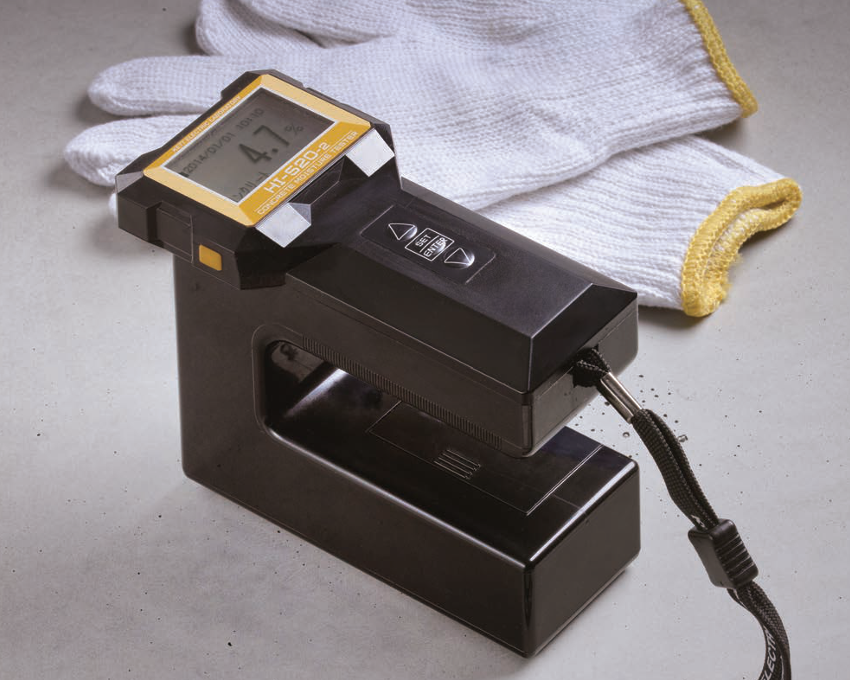
Moisture meters measure the level of moisture inside building materials, helping identify areas that appear dry but are still damp internally.
Infrared Thermal Imaging
Thermal cameras reveal temperature differences that indicate hidden moisture behind walls or ceilings.
Air Quality and Mold Assessment
If moisture has been present for some time, air sampling or mold inspection may be recommended to determine whether microbial growth has begun.
In many homes across Fort Lauderdale and nearby areas, companies such as Pompano Mold Inspection and Testing perform moisture detection to identify condensation problems before structural damage occurs.
Mold Risks Associated with AC Condensation
Condensation provides a steady moisture source, which creates conditions where mold can develop quickly. When moisture is trapped in drywall, insulation, or ductwork, mold growth may begin within days.
Common mold-prone areas related to AC condensation include:
- Around vents and registers
- Inside duct insulation
- Beneath air handlers
- Inside closets housing HVAC units
Prompt moisture detection and drying significantly reduce the likelihood of mold developing.
Water Damage Repair and Drying After Moisture Problems
If condensation has caused water damage, drying and restoration may be necessary to prevent long-term structural problems.
Water damage repair may include:
- Drying affected materials
- Dehumidification
- Cleaning and sanitizing surfaces
- Repairing drywall or insulation
- Correcting drainage or airflow issues
Thorough drying ensures moisture does not remain trapped inside building materials.
Air Ducts, Ventilation, and Condensation Control
Air ducts and ventilation systems play a major role in preventing condensation. When airflow is restricted or ducts are poorly insulated, temperature differences can lead to moisture buildup.
Preventive measures include:
- Cleaning air ducts periodically
- Ensuring proper duct insulation
- Maintaining clear condensate drain lines
- Scheduling regular HVAC maintenance
These steps help maintain efficient airflow and reduce condensation risk.
Prevention Tips for Homeowners in Fort Lauderdale
Preventing AC condensation problems often requires regular maintenance and attention to humidity levels.
Helpful tips include:
- Change HVAC filters regularly
- Schedule annual AC inspections
- Keep condensate drain lines clear
- Maintain indoor humidity below 60%
- Address small leaks or moisture signs promptly
- Ensure proper attic ventilation
Routine maintenance is one of the most effective ways to prevent moisture-related damage.
Why Local Experience Matters
Homes in Fort Lauderdale, Lighthouse Point, Coconut Creek, and Deerfield Beach face unique moisture challenges due to coastal humidity and frequent AC use. Professionals familiar with these conditions understand where condensation problems are most likely to occur.
Local experience helps with:
- Identifying common HVAC moisture issues
- Understanding regional humidity patterns
- Recognizing construction features common in Broward County homes
- Recommending practical prevention strategies
This knowledge allows inspections and moisture detection services to be more accurate and effective.
A Practical Approach to Preventing Future Damage
Moisture detection is not just about finding existing problems—it’s about preventing future damage. Identifying condensation issues early helps homeowners correct drainage or airflow problems before mold develops or structural materials deteriorate.
For property owners in Fort Lauderdale and surrounding communities, routine HVAC maintenance, moisture inspections, and prompt repairs remain the most reliable way to keep homes dry, comfortable, and structurally sound.