Lighthouse Point Water Damage Repair after Hurricanes: Costs, Causes, and Solutions
Hurricanes and strong coastal storms are a reality for homeowners in Lighthouse Point and throughout Broward County. High winds, heavy rainfall, and storm surge can introduce large amounts of water into homes in a very short time. Even when flooding seems minor, moisture can remain trapped inside walls, flooring, and insulation, leading to structural damage and mold growth if not addressed quickly.
Understanding the causes of hurricane-related water damage, the repair process, and the factors that affect costs helps property owners make informed decisions and protect their homes after severe weather.
What Water Damage Repair Involves
Water damage repair is a structured process that restores a property after flooding, roof leaks, or storm-related water intrusion. The goal is not only to remove water but also to dry materials, repair structural damage, and prevent mold growth.
A complete repair process typically includes:
- Water removal and extraction
- Structural drying and dehumidification
- Moisture detection and monitoring
- Repairing damaged materials
- Cleaning and sanitizing affected areas
Proper repair ensures that hidden moisture does not lead to long-term problems.
Why Hurricanes Cause Water Damage in Lighthouse Point
Homes in Lighthouse Point and nearby areas such as Pompano Beach, Deerfield Beach, and Fort Lauderdale face unique risks during hurricane season.
Common causes of water damage after hurricanes include:
- Roof leaks from wind damage
- Broken or displaced shingles or tiles
- Wind-driven rain entering through vents or windows
- Flooding from heavy rainfall
- Storm surge in low-lying areas
- Blocked or overwhelmed drainage systems
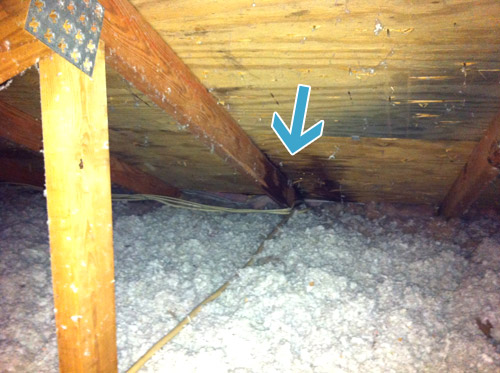
Even when a home appears intact, moisture may have entered attic spaces, wall cavities, or flooring.
Early Warning Signs of Hurricane-Related Water Damage
After a storm, some damage is immediately visible, but other problems appear gradually.
Property owners should watch for:
- Water stains on ceilings or walls
- Musty odors
- Peeling paint or bubbling drywall
- Warped flooring
- Damp or humid indoor air
- Discoloration around vents or baseboards
These signs often indicate hidden moisture that should be inspected promptly.
Hidden Areas Where Water Damage Often Occurs
Storm-related moisture frequently collects in areas that are not easy to see during a routine check.
Common hidden problem areas include:
- Attic insulation after roof leaks
- Behind drywall near exterior walls
- Beneath tile or laminate flooring
- Inside air ducts and HVAC systems
- Around windows and door frames
Professional moisture detection tools are often necessary to locate these hidden issues.
Step-by-Step Water Damage Repair Process
Water damage repair after hurricanes follows a systematic approach to ensure the home is fully restored.
Step 1: Inspection and Assessment
Technicians evaluate the extent of water intrusion and identify affected areas using moisture meters and thermal imaging equipment.
Step 2: Water Removal
Standing water is extracted using high-capacity pumps and vacuum equipment. Rapid removal helps reduce structural damage.
Step 3: Structural Drying
Industrial air movers and dehumidifiers are used to remove moisture from building materials and indoor air.
Step 4: Cleaning and Sanitizing
Affected surfaces are cleaned and treated to prevent microbial growth.
Step 5: Repairs and Restoration
Damaged drywall, flooring, or insulation may be repaired or replaced to restore the home to its original condition.
In many Broward County homes, companies such as Pompano Mold Inspection and Testing perform moisture detection and inspections during this process to ensure drying is complete.
Costs of Water Damage Repair After Hurricanes
The cost of repairs can vary depending on several factors.
Key factors affecting costs include:
- Extent of water intrusion
- Size of the affected area
- Type of materials damaged
- Duration of moisture exposure
- Need for mold remediation
- Structural repair requirements
Minor water damage may require limited drying and repairs, while extensive flooding may involve larger restoration efforts and material replacement.
Acting quickly often reduces repair costs because less damage occurs when moisture is removed early.
Mold Risks After Hurricane Flooding
Warm temperatures and high humidity in Lighthouse Point create ideal conditions for mold growth after flooding. Mold can begin developing within 24 to 48 hours if materials remain damp.
Areas most vulnerable to mold include:
- Drywall and insulation
- Carpets and padding
- Air ducts
- Ceiling cavities
- Closets and storage areas
Mold inspection and testing are often recommended after significant water damage to confirm that moisture levels have returned to safe ranges.
Air Ducts, AC Systems, and Storm Damage
HVAC systems can be affected during hurricanes, especially when roof leaks or flooding occur near ductwork or air handlers.
Common issues include:
- Moisture inside duct insulation
- Condensation buildup
- Mold growth in air handlers
- Reduced airflow due to debris or moisture
Air duct inspection and cleaning may be necessary to restore proper airflow and indoor air quality.
Solutions That Help Prevent Future Water Damage
Preventive maintenance can significantly reduce the risk of hurricane-related damage in the future.
Helpful steps include:
- Inspecting roofs annually and after storms
- Sealing windows and exterior openings
- Keeping gutters and drainage systems clear
- Maintaining attic ventilation
- Scheduling regular moisture inspections
- Addressing small leaks promptly
These measures help ensure that minor issues do not become major repairs.
Why Local Experience Matters
Homes in Lighthouse Point, Margate, Coconut Creek, and Fort Lauderdale face environmental conditions that differ from many other regions. Coastal humidity, heavy storms, and salt air exposure all influence how water damage occurs and how repairs should be handled.
Professionals familiar with Broward County homes understand:
- Common storm-related moisture entry points
- Construction features typical in coastal homes
- Seasonal humidity patterns
- Effective drying and restoration methods
This local knowledge helps ensure repairs are thorough and long-lasting.
Taking the Right Steps After a Hurricane
Water damage after hurricanes can be stressful, but prompt action makes a significant difference. Inspection, moisture detection, drying, and proper repairs help prevent mold growth and structural deterioration.
For homeowners and property managers in Lighthouse Point and surrounding communities, responding quickly to water intrusion and ensuring complete drying remains the most reliable way to protect both the home and its long-term value.