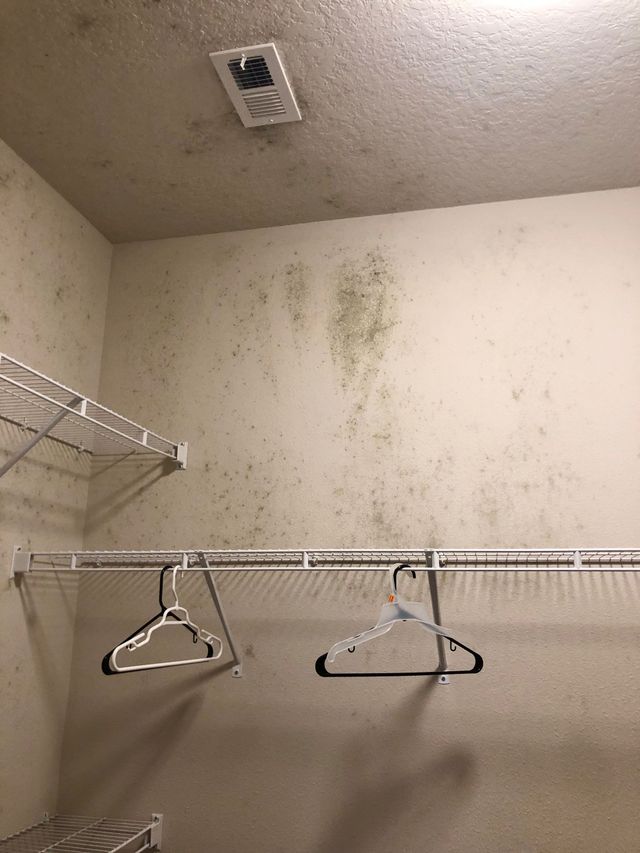
How Black Mold Removal Helps Homes in Fort Lauderdale from Poor Ventilation
Black mold caused by poor ventilation is one of the most common issues found in homes across Fort Lauderdale and surrounding Broward County communities. The combination of warm air, high humidity, and limited airflow creates the perfect environment for mold to grow quietly behind walls, inside closets, and in air ducts.
Many homeowners first notice the problem when a musty odor appears or dark stains begin forming in corners and on ceilings. By that time, mold may already be spreading. Understanding how black mold removal helps protect homes—and why ventilation plays such a major role—can make a significant difference in maintaining a safe and healthy indoor environment.
What Black Mold from Poor Ventilation Is
Black mold often develops when moisture lingers in enclosed spaces without proper airflow. Bathrooms, laundry rooms, kitchens, and rooms with closed windows are especially vulnerable.
Poor ventilation traps humid air, allowing condensation to build on walls, ceilings, and ductwork. Over time, this moisture feeds mold colonies, which can grow on drywall, wood framing, insulation, and even furniture.
In coastal areas like Fort Lauderdale, humidity alone can be enough to trigger mold growth if airflow is restricted.
Why This Happens So Often in Fort Lauderdale
Fort Lauderdale’s climate creates conditions where mold growth can occur quickly. Homes in this area deal with:
- High year-round humidity
- Frequent rain and tropical storms
- Air conditioning systems running constantly
- Closed windows to keep heat and moisture outside
When air circulation is limited, moisture remains trapped indoors. Older homes in Fort Lauderdale, Lighthouse Point, and Deerfield Beach may have outdated ventilation systems, while newer homes sometimes rely heavily on sealed construction that limits natural airflow.
Even well-maintained homes in Coconut Creek, Margate, and North Lauderdale can experience mold if ventilation is insufficient.
Common Signs Homeowners Notice
Poor ventilation mold often develops gradually, but certain signs are hard to miss once they appear:
- Musty or damp odors in specific rooms
- Dark spotting on ceilings or walls
- Mold forming near vents or air returns
- Condensation on windows or AC ducts
- Peeling paint or bubbling drywall
In many Fort Lauderdale homes, these symptoms first appear in bathrooms, closets, or rooms that remain closed most of the day.
Hidden or Overlooked Sources
Black mold linked to ventilation problems often grows in places homeowners rarely check. Some of the most common hidden sources include:
- Behind furniture placed against exterior walls
- Inside air ducts and return vents
- Under carpets or padding
- Behind bathroom tiles or vanities
- Inside attic spaces with limited airflow
Attics in coastal Florida are especially vulnerable. Warm air rises, and without proper ventilation, moisture collects in insulation and wood framing.
Why DIY Mold Removal Usually Fails
It’s tempting to clean visible mold with household cleaners, but this approach rarely solves the root problem.
Surface cleaning removes what can be seen, but mold spores often remain inside porous materials like drywall and wood. Without correcting ventilation issues and addressing hidden moisture, mold frequently returns within weeks.
Another challenge is containment. Disturbing mold without proper procedures can spread spores to other parts of the home through airflow and HVAC systems.
Professional Mold Inspection & Testing Explained
A professional inspection focuses on identifying both visible mold and the underlying causes of growth. In Fort Lauderdale homes, this typically involves:
- Moisture readings in walls and ceilings
- Checking ventilation systems and air movement
- Inspecting ducts and air returns
- Evaluating attic and crawl spaces
- Testing air quality when needed
Experienced local companies such as Pompano Mold Inspection and Testing understand how Florida’s humidity and construction styles affect indoor environments. Their inspections often reveal ventilation deficiencies that homeowners didn’t realize were contributing to mold growth.
Testing helps confirm the presence of mold and determine how far it has spread, allowing for a targeted remediation plan.
Proper Mold Removal & Remediation Process
Professional black mold removal follows a structured process designed to remove contamination safely and prevent recurrence.
Typical steps include:
- Containment to prevent spores from spreading
- Air filtration using specialized equipment
- Removal of affected materials when necessary
- Cleaning and antimicrobial treatment of surfaces
- Drying and ventilation correction
Addressing airflow is a critical part of remediation. Without improving ventilation, mold conditions can return even after thorough cleaning.
Flood Restoration & Water Damage Repair
In Fort Lauderdale, mold caused by poor ventilation often overlaps with water damage issues. Heavy rains, roof leaks, or plumbing problems can introduce moisture that becomes trapped indoors.
Flood restoration and water removal services help by:
- Extracting standing water
- Drying structural materials
- Preventing moisture from lingering in walls
- Repairing damaged surfaces
Combining water damage repair with ventilation improvements is one of the most effective ways to prevent black mold from returning.
Air Ducts, AC Systems & Mold
Air conditioning systems play a major role in indoor air quality throughout Broward County. When ducts accumulate moisture or airflow is restricted, mold can grow inside the system itself.
Signs of duct-related mold problems include:
- Musty smells when the AC runs
- Uneven cooling
- Visible dust buildup around vents
- Increased humidity indoors
Duct cleaning and proper HVAC maintenance often resolve hidden mold problems that originate in ventilation systems.
How to Prevent Mold in Fort Lauderdale Homes
Preventing black mold caused by poor ventilation doesn’t require major renovations in most cases. Small changes can significantly reduce risk.
Practical prevention steps include:
- Using exhaust fans in bathrooms and kitchens
- Keeping interior doors open to improve airflow
- Maintaining air conditioning systems regularly
- Ensuring attic ventilation is working properly
- Monitoring humidity levels indoors
Dehumidifiers can also help during particularly humid months, especially in coastal neighborhoods such as Lauderdale-by-the-Sea.
Why Local Experience Matters
Mold issues in South Florida are different from those in drier climates. High humidity, salt air, and frequent storms create conditions that require specialized knowledge.
Local professionals understand:
- Seasonal moisture patterns
- Construction methods common in Fort Lauderdale
- Ventilation challenges in coastal homes
- The interaction between AC systems and humidity
Working with experienced teams like Pompano Mold Inspection and Testing ensures that both mold removal and ventilation corrections are handled with Florida-specific conditions in mind.
A Calm, Practical Next Step
Black mold from poor ventilation is a common problem in Fort Lauderdale homes, but it’s also manageable when addressed properly. Early inspections, improved airflow, and professional remediation can restore indoor environments and prevent future growth.
Homeowners who notice musty odors, condensation, or dark spotting should consider having their property evaluated before the problem spreads. Taking action early often reduces repair costs and prevents more extensive damage over time.
Maintaining proper ventilation, controlling humidity, and responding quickly to moisture issues remain the most effective ways to protect homes throughout Fort Lauderdale and surrounding Broward County communities.