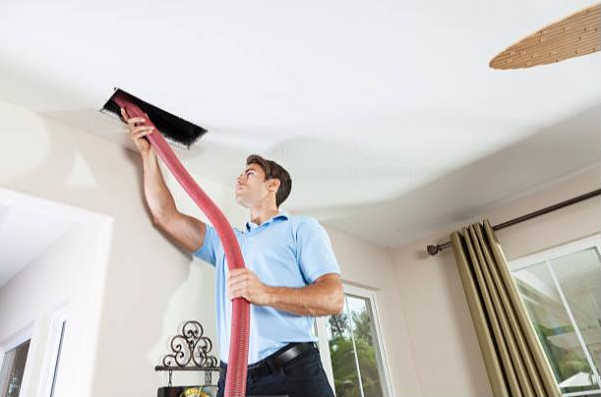
How Duct Cleaning Helps Homes in Fort Lauderdale after Storm Damage
Storms are a regular part of life in Fort Lauderdale and throughout Broward County. Heavy rain, high winds, and flooding can affect many parts of a home, but one area that often goes unnoticed is the air duct system. After storm damage, ducts can collect moisture, dust, debris, and even mold spores, which can circulate throughout the entire home if not addressed.
Duct cleaning is an important step in restoring indoor air quality and preventing long-term moisture problems after storms. Understanding how storm damage affects ductwork and how professional cleaning helps can make a significant difference for homeowners and property managers.
What Happens to Air Ducts after Storm Damage
During storms, moisture can enter homes through roof leaks, flooded areas, or high humidity. Even if water never reaches living areas, attic spaces and duct systems may still be affected.
Air ducts can accumulate:
- Moisture from humid air or roof leaks
- Dust and debris drawn into the system
- Insulation particles from attic areas
- Mold spores if moisture remains trapped
Because duct systems distribute air throughout the home, contamination in one section can spread to multiple rooms.
Duct cleaning removes buildup and helps restore proper airflow and air quality.
Why Storm-Related Duct Problems Are Common in Fort Lauderdale
Fort Lauderdale’s climate makes duct systems especially vulnerable after storms.
High humidity slows drying and allows moisture to remain in ducts and insulation.
Frequent heavy rain increases the risk of roof leaks that affect attic ductwork.
Warm attic temperatures combined with cool air inside ducts can cause condensation, especially after storms.
Continuous air conditioning use can circulate moisture and contaminants through the ventilation system.
Homes in nearby areas such as Lighthouse Point, Lauderdale-by-the-Sea, Coconut Creek, and Margate experience similar conditions because of coastal humidity and seasonal weather patterns.
Common Signs Homeowners Notice
After storm damage, duct problems often reveal themselves through changes in air quality or HVAC performance.
Property owners may notice:
- Musty or damp odors when the AC runs
- Increased dust around vents
- Uneven cooling between rooms
- Higher indoor humidity
- Allergy-like symptoms indoors
These signs often indicate that moisture or debris is present inside the duct system.
Ignoring these symptoms can allow mold or contamination to spread.
Hidden or Overlooked Sources of Contamination
Duct systems run through areas of the home that are rarely inspected, making it easy for moisture problems to go unnoticed.
Common hidden problem areas include:
- Attic duct insulation
- Return air chases
- Air handlers located in closets or garages
- Ceiling cavities around vents
- Flexible duct connections
Storm-driven rain and humidity can affect these areas even when visible flooding is not present.
Professional inspections often reveal moisture or contamination that homeowners were unaware of.
Why DIY Duct Cleaning Usually Falls Short
Some homeowners attempt to clean vents or vacuum visible dust, but this rarely addresses deeper contamination inside the system.
DIY duct cleaning often fails because:
- Moisture inside ducts remains
- Mold growth may be hidden
- Debris deeper in the system is not removed
- Airflow problems are not corrected
Improper cleaning can also disturb dust and spores, allowing them to circulate through the home.
Professional cleaning uses specialized equipment designed to remove buildup safely and thoroughly.
Professional Duct Inspection and Cleaning Explained
A proper duct cleaning process begins with inspection. Technicians evaluate the condition of the system and identify any moisture or contamination.
Typical inspection steps include:
- Checking ducts for moisture or mold
- Inspecting insulation and airflow
- Examining air handlers and coils
- Measuring humidity levels
- Identifying areas of restricted airflow
Local specialists such as Pompano Mold Inspection and Testing are familiar with the effects of storms and humidity on HVAC systems in Fort Lauderdale homes. Their experience helps ensure that inspections identify both contamination and the moisture sources that caused it.
Once inspection is complete, cleaning equipment is used to remove debris and restore airflow.
The Proper Duct Cleaning Process
Professional duct cleaning is a structured process designed to remove contaminants without spreading them.
Typical steps include:
- Sealing and preparing the system
- Using high-powered vacuum equipment to remove debris
- Cleaning vents, registers, and duct interiors
- Inspecting for moisture or mold
- Ensuring proper airflow throughout the system
If mold is discovered, remediation may be recommended before cleaning is completed to prevent spores from spreading.
This process helps improve indoor air quality and HVAC efficiency.
Flood Restoration and Water Damage Repair Considerations
Storm damage often affects more than just ducts. Roof leaks, plumbing backups, or flooding may introduce moisture into walls, ceilings, and flooring.
Water damage restoration may include:
- Water extraction
- Structural drying
- Removal of saturated materials
- Repairs to ceilings or walls
Drying the home thoroughly is essential before or alongside duct cleaning. Moisture left in building materials can continue affecting air quality even after ducts are cleaned.
Air Ducts, AC Systems, and Mold Risks
Moisture inside duct systems creates ideal conditions for mold growth. Mold can develop on:
- Dust buildup inside ducts
- Insulation around ductwork
- Cooling coils and drain pans
- Air handler components
Signs of duct-related mold problems include persistent odors, visible residue near vents, and humidity that remains high despite air conditioning use.
Duct cleaning combined with moisture control helps reduce the risk of mold returning.
How to Prevent Future Duct Problems after Storms
Preventive maintenance can significantly reduce the likelihood of duct contamination.
Practical steps include:
- Inspecting attics and ducts after heavy storms
- Scheduling regular HVAC maintenance
- Cleaning AC drain lines
- Replacing filters on schedule
- Ensuring attic ventilation is working properly
Homes in North Lauderdale, Deerfield Beach, and Pompano Beach benefit from these same preventive practices, particularly during storm season.
Routine inspections help detect moisture before it causes serious damage.
Why Local Experience Matters
Duct cleaning and restoration in coastal South Florida require an understanding of local conditions. High humidity, frequent storms, and continuous AC use create challenges that differ from those in other regions.
Local professionals understand:
- Seasonal storm patterns
- Ventilation challenges in Florida homes
- Common attic duct configurations
- Drying requirements in humid environments
Experienced providers such as Pompano Mold Inspection and Testing use this knowledge to ensure that duct cleaning and related repairs address the underlying causes of contamination, not just the symptoms.
A Calm, Practical Next Step
Storm damage can affect parts of a home that are not immediately visible, and air ducts are one of the most commonly overlooked areas. Cleaning ducts after storms helps restore indoor air quality, improve airflow, and reduce the risk of mold growth.
Property owners in Fort Lauderdale who inspect their HVAC systems, address moisture quickly, and schedule professional duct cleaning when needed can prevent long-term damage and maintain comfortable, healthy indoor environments throughout the year.