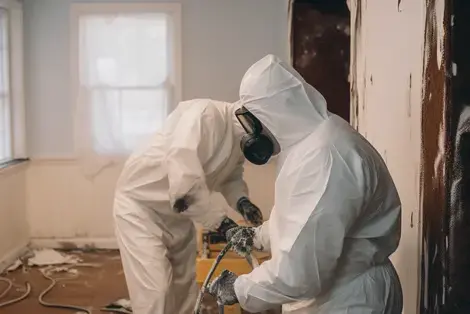
Why Mold Remediation Matters in Deerfield Beach in Residential Homes
Mold growth is a common issue in residential homes across Deerfield Beach. The combination of coastal humidity, seasonal storms, and constant air conditioning creates conditions where moisture can accumulate in walls, ceilings, and ventilation systems. When moisture remains trapped, mold can begin to grow quietly, often before homeowners notice any visible signs.
Mold remediation plays a vital role in restoring homes after mold growth occurs and in preventing further structural damage. Understanding why remediation matters and how it works helps homeowners protect their properties and maintain a safe indoor environment.
What Mold Growth Is and Why It Spreads
Mold is a natural organism that thrives in damp, warm environments. In homes, it typically develops when moisture from leaks, condensation, or humidity remains present for extended periods.
Mold commonly grows on:
- Drywall and ceiling materials
- Wood framing and trim
- Carpet and padding
- Insulation
- Air ducts and HVAC components
Because mold releases microscopic spores, it can spread to nearby surfaces and rooms if moisture conditions remain favorable.
In Deerfield Beach homes, high humidity alone can sometimes be enough to support mold growth, especially in areas with poor ventilation.
Why Mold Problems Are Common in Deerfield Beach
Several environmental factors contribute to mold growth in residential homes throughout Deerfield Beach and surrounding Broward County communities.
High humidity is one of the primary causes. Moist air slows the drying process and allows damp materials to remain wet longer.
Frequent storms and heavy rain can introduce water through roof leaks, windows, or foundations.
Air conditioning systems produce condensation, and clogged drain lines or poorly insulated ducts can allow moisture to accumulate.
Limited airflow in closets, attics, and bathrooms often allows humidity to build up in enclosed spaces.
Homes in nearby areas such as Pompano Beach, Lighthouse Point, and Fort Lauderdale experience similar conditions due to the coastal climate.
Common Signs Homeowners Notice
Mold problems often begin quietly, but certain warning signs usually appear over time.
Homeowners may notice:
- Musty or damp odors
- Dark spots on ceilings or walls
- Peeling paint or warped drywall
- Increased indoor humidity
- Persistent condensation near vents or windows
Sometimes mold is discovered when moving furniture or inspecting attic spaces, revealing growth that was previously hidden.
Recognizing these signs early allows homeowners to address mold before it spreads further.
Hidden or Overlooked Sources of Mold
One of the biggest challenges with mold is that it often develops in areas that are not easily visible.
Common hidden locations include:
- Inside wall cavities
- Beneath flooring or carpeting
- Inside air ducts
- Attic insulation
- Behind cabinets or appliances
Attics in Deerfield Beach homes are particularly vulnerable. Warm attic air combined with cooler indoor temperatures can create condensation that soaks insulation and wood framing.
Professional inspections often reveal mold growth in these hidden areas before it becomes severe.
Why DIY Mold Removal Usually Fails
Many homeowners attempt to remove mold using household cleaners or bleach. While this may remove surface staining, it rarely eliminates the entire mold colony.
DIY removal often fails because:
- Mold roots can penetrate porous materials
- Hidden mold remains untreated
- Moisture sources are not corrected
- Spores may spread during cleaning
Without addressing the underlying cause of moisture, mold frequently returns.
Professional remediation focuses on removing contamination and correcting the conditions that allowed mold to grow.
Professional Mold Inspection and Testing Explained
A proper mold remediation project begins with inspection and testing to determine the extent of the problem.
A thorough inspection typically includes:
- Measuring moisture levels in walls and ceilings
- Inspecting HVAC systems and ducts
- Checking attics and crawl spaces
- Identifying leaks or ventilation issues
- Performing mold testing when needed
Local specialists such as Pompano Mold Inspection and Testing understand the humidity patterns and construction methods common in Deerfield Beach homes. Their experience helps ensure that mold problems are identified accurately and completely.
Testing confirms the presence of mold and helps guide the remediation process.
The Proper Mold Remediation Process
Mold remediation is a structured process designed to remove contamination safely and prevent recurrence.
Typical steps include:
Containment
Affected areas are sealed to prevent spores from spreading to other parts of the home.
Air filtration
Specialized equipment captures airborne mold spores during removal.
Removal of contaminated materials
Damaged drywall, insulation, or carpeting may be removed when necessary.
Cleaning and treatment
Surfaces are thoroughly cleaned and treated to eliminate remaining mold.
Drying and moisture control
Air movers and dehumidifiers ensure that materials are completely dry.
Correcting the moisture source is essential to preventing mold from returning.
Flood Restoration and Water Damage Repair
Mold growth often follows water damage events such as plumbing leaks, roof leaks, or flooding. Even small amounts of water trapped in building materials can lead to mold if drying is incomplete.
Water damage restoration may involve:
- Water extraction
- Structural drying
- Removal of saturated materials
- Repairing ceilings, walls, or flooring
Prompt restoration reduces the risk of mold spreading and protects structural materials.
Air Ducts, AC Systems, and Mold
HVAC systems play a major role in indoor air quality. Moisture inside ductwork or air handlers can allow mold to develop and spread through the ventilation system.
Signs of duct-related mold problems include:
- Musty odors when the AC runs
- Dust buildup around vents
- Uneven airflow
- Persistent humidity indoors
Duct cleaning and regular HVAC maintenance help prevent moisture buildup and improve indoor air quality.
Homes in Coconut Creek, Margate, and North Lauderdale benefit from periodic duct inspections, especially after storms or humidity spikes.
How to Prevent Mold in Residential Homes
Preventing mold is often easier and less expensive than removing it.
Practical prevention tips include:
- Repair leaks promptly
- Maintain roofs and gutters
- Clean AC drain lines regularly
- Use exhaust fans in kitchens and bathrooms
- Monitor indoor humidity levels
Regular inspections help detect moisture problems early, before mold develops.
Routine maintenance is especially important in coastal communities like Deerfield Beach and Lauderdale-by-the-Sea, where humidity remains high throughout much of the year.
Why Local Experience Matters
Mold remediation in South Florida requires an understanding of regional climate conditions. High humidity, seasonal storms, and heavy HVAC use create challenges that differ from other parts of the country.
Local professionals understand:
- Moisture patterns in Broward County
- Ventilation challenges in Florida homes
- Drying requirements in humid environments
- Common sources of hidden water intrusion
Working with experienced companies such as Pompano Mold Inspection and Testing helps ensure that remediation methods are tailored to local conditions and provide long-lasting results.
A Calm, Practical Next Step
Mold growth in residential homes is a common issue in Deerfield Beach, but it is manageable when addressed promptly. Inspection, testing, and professional remediation help remove contamination, correct moisture problems, and prevent future damage.
Homeowners who stay alert to warning signs and maintain their homes regularly can reduce the risk of mold and keep indoor environments comfortable and well-protected throughout the year.