Water Leak Detection in Lauderdale-by-the-Sea: A Complete Homeowner Guide
Water leaks are one of the most common causes of property damage in Lauderdale-by-the-Sea. Because many leaks develop slowly or remain hidden behind walls and under flooring, homeowners often do not notice a problem until stains, odors, or mold appear. By that point, repairs may become more complicated and costly.
Water leak detection is an essential step in protecting homes, preventing structural damage, and maintaining healthy indoor environments. Understanding how leaks develop, how they are detected, and what steps help prevent future problems can help property owners keep their homes safe and well-maintained.
What Water Leaks Really Are
A water leak occurs whenever water escapes from plumbing systems, roofing, appliances, or structural openings. Some leaks are obvious, such as a burst pipe or dripping faucet, but many develop slowly in hidden areas.
Leaks commonly occur in:
- Plumbing pipes behind walls
- Roofs and attic spaces
- Water heaters and appliances
- Air conditioning drain lines
- Window or door seals
Even a small leak can allow moisture to spread into drywall, insulation, and flooring, creating conditions that lead to mold growth or structural damage if not addressed promptly.
Why Water Leaks Are Common in Lauderdale-by-the-Sea
Several factors make water leaks more likely in Lauderdale-by-the-Sea and surrounding coastal communities.
Heavy seasonal rain can expose weaknesses in roofing, flashing, or window seals, allowing water to enter during storms.
High humidity slows evaporation, so even minor leaks can leave materials damp for long periods.
Salt air exposure in coastal areas may accelerate corrosion in certain plumbing components over time.
Continuous air conditioning use can contribute to condensation and moisture buildup if drain lines become clogged or damaged.
Homes in nearby areas such as Pompano Beach, Lighthouse Point, and Fort Lauderdale face similar conditions due to coastal weather and humidity levels.
Common Signs of a Water Leak
Water leaks often begin with subtle symptoms before becoming obvious.
Homeowners frequently notice:
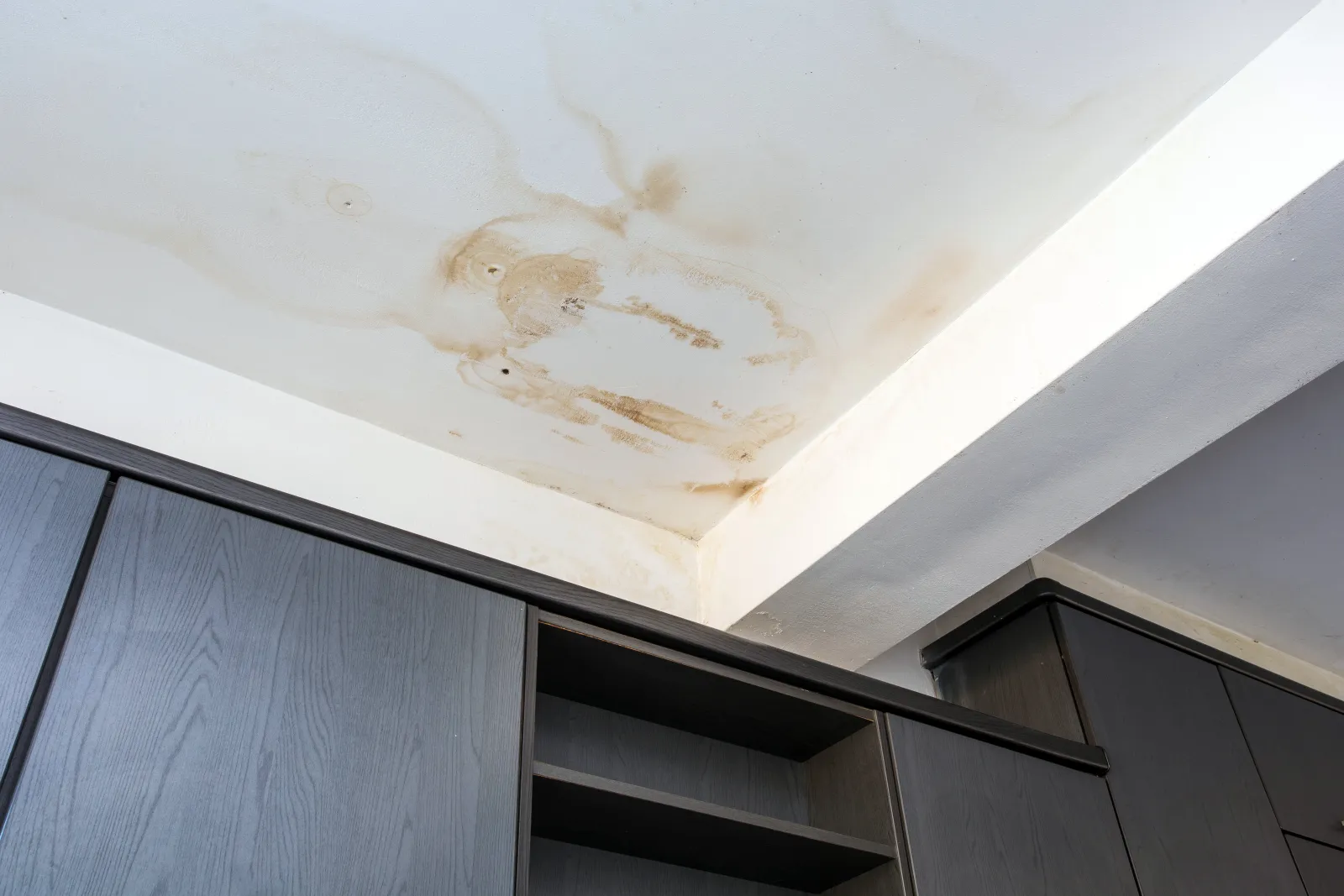
- Water stains on ceilings or walls
- Musty or damp odors
- Peeling paint or bubbling drywall
- Warped flooring or baseboards
- Unexplained increases in humidity
In some cases, the first sign of a hidden leak is mold growth in closets, corners, or near vents.
Recognizing these signs early helps prevent larger repairs later.
Hidden Areas Where Leaks Often Occur
Many water leaks develop in areas that are rarely inspected.
Common hidden leak locations include:
- Behind kitchen or bathroom cabinets
- Beneath flooring or carpeting
- Inside wall cavities
- Attic insulation near roof penetrations
- Around air conditioning drain lines
Attics in Lauderdale-by-the-Sea homes are especially vulnerable because heavy rain and wind-driven moisture can enter small gaps in roofing materials.
Professional inspections often identify leaks in these hidden areas before major damage occurs.
Why DIY Leak Detection Often Falls Short
Homeowners sometimes attempt to locate leaks by checking visible plumbing or looking for stains. While these steps can help identify obvious problems, they often miss hidden moisture.
DIY detection may fall short because:
- Moisture inside walls is not visible
- Small leaks may not produce immediate staining
- Condensation problems may be mistaken for leaks
- Specialized equipment is required to measure moisture accurately
Professional leak detection uses tools designed to locate moisture and water intrusion precisely, even in concealed areas.
Professional Water Leak Detection Explained
A professional leak detection service evaluates both visible and hidden areas of a home to identify moisture sources.
Technicians typically:
- Measure moisture levels in walls and ceilings
- Inspect plumbing fixtures and connections
- Check attics and roofing areas
- Evaluate HVAC systems and drain lines
- Identify areas of water intrusion or condensation
Local specialists such as Pompano Mold Inspection and Testing understand the climate conditions and construction methods common in Lauderdale-by-the-Sea homes. Their experience helps ensure that leak detection identifies the true source of moisture rather than just surface symptoms.
Accurate detection is essential for effective repairs.
Repairs and Restoration after Leak Detection
Once a leak is located, repairs can be made to prevent further damage. The type of repair depends on the source of the leak.
Common repairs may include:
- Fixing or replacing damaged plumbing components
- Repairing roof leaks or flashing
- Sealing windows or exterior openings
- Clearing or repairing AC drain lines
If water has already affected building materials, drying and restoration may also be necessary to prevent mold growth and structural deterioration.
Prompt repairs help reduce long-term costs and prevent further damage.
Mold Risks Linked to Water Leaks
Moisture from leaks creates ideal conditions for mold growth, especially in humid climates. Mold can begin forming in damp areas within a short time if moisture is not removed.
Mold often develops in:
- Wall cavities
- Attic insulation
- Carpets and padding
- Around vents and ducts
Professional drying and remediation may be recommended if mold is discovered during leak detection or repairs.
Early detection significantly reduces the likelihood of mold spreading.
Air Ducts, AC Systems, and Hidden Moisture
HVAC systems can be affected by water leaks, particularly when condensation or attic moisture reaches ductwork.
Signs of HVAC-related moisture problems include:
- Musty odors when the AC runs
- Condensation around vents
- Uneven cooling
- Persistent indoor humidity
Duct inspection and cleaning may be recommended after leaks to restore proper airflow and indoor air quality.
Regular HVAC maintenance helps prevent moisture buildup and future problems.
How to Prevent Water Leaks in Coastal Homes
Preventive maintenance is one of the most effective ways to reduce the risk of water leaks.
Practical prevention tips include:
- Inspecting roofs and flashing regularly
- Cleaning gutters and downspouts
- Checking plumbing connections and appliances
- Cleaning AC drain lines
- Monitoring indoor humidity levels
Routine inspections are especially important in coastal communities like Lauderdale-by-the-Sea and Deerfield Beach, where storms and humidity increase the likelihood of moisture problems.
Addressing small issues early often prevents major repairs later.
Why Local Experience Matters
Water leak detection in South Florida requires an understanding of regional climate conditions. High humidity, coastal air, and frequent storms create challenges that differ from those in other regions.
Local professionals understand:
- Seasonal rainfall patterns
- Ventilation challenges in Florida homes
- Typical attic and roofing conditions in Broward County
- Drying requirements in humid environments
Working with experienced companies such as Pompano Mold Inspection and Testing helps ensure that leak detection and repairs are handled using methods suited to local conditions.
A Calm, Practical Next Step
Water leaks are a common issue in Lauderdale-by-the-Sea, but they are manageable when detected early. Professional leak detection, timely repairs, and regular maintenance help protect homes from mold, structural damage, and costly restoration.
Homeowners who stay alert to warning signs and schedule periodic inspections can maintain comfortable, well-protected homes and avoid many of the problems associated with hidden moisture.