How Water Leak Detection Helps Homes in Lauderdale-by-the-Sea in Residential Homes
Water leaks are one of the most common causes of hidden damage in residential homes in Lauderdale-by-the-Sea. Because many leaks occur behind walls, under flooring, or in attic spaces, they often go unnoticed until the damage becomes significant. By the time stains, odors, or mold appear, moisture may already have spread through structural materials.
In coastal communities such as Lauderdale-by-the-Sea, Pompano Beach, Lighthouse Point, and Deerfield Beach, high humidity and warm temperatures make leak-related problems worse. Water leak detection plays a critical role in identifying hidden moisture early and preventing costly repairs.
Understanding how leak detection works and why it matters helps homeowners protect their homes and maintain safe indoor conditions.
What Water Leak Detection Really Is
Water leak detection is the process of locating hidden leaks and moisture inside a home before visible damage becomes severe. Unlike visible leaks from faucets or fixtures, hidden leaks may occur inside walls, beneath floors, or in ceilings.
Leak detection focuses on identifying both the source of the water and the areas affected by moisture. This helps ensure repairs are targeted and effective.
In many cases, homeowners only become aware of leaks after mold odors, dampness, or water stains appear. Leak detection helps find the problem earlier, when repairs are simpler and less expensive.
Why Water Leaks Are Common in Lauderdale-by-the-Sea Homes
Residential homes in Lauderdale-by-the-Sea face several conditions that increase the likelihood of leaks.
Some of the most common contributing factors include:
- High humidity affecting plumbing joints and materials
- Storm-driven rain entering roofs or exterior walls
- Aging plumbing systems in older homes
- AC condensation and clogged drain lines
- Salt air contributing to corrosion of pipes and fixtures
Homes near the coast often experience higher moisture levels, which can worsen small leaks and allow damage to spread more quickly.
Common Signs of Hidden Water Leaks
Hidden leaks rarely appear suddenly. Most homeowners notice early warning signs before finding the source of the problem.
Common signs include:
- Musty or damp odors
- Water stains on ceilings or walls
- Peeling paint or bubbling drywall
- Warped flooring or baseboards
- Increased humidity indoors
- Unexplained mold growth
These signs often indicate moisture trapped behind surfaces or inside structural materials.
Hidden Areas Where Leaks Often Occur
One of the biggest challenges in residential homes is that leaks often develop in areas that are difficult to inspect.
Common hidden locations include:
Inside wall cavities where plumbing lines run
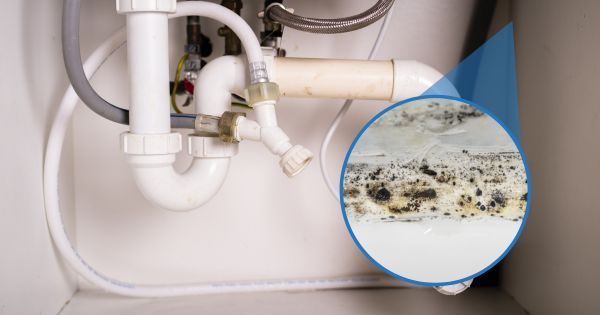
Under sinks and behind cabinets
Beneath flooring or subflooring
Inside attic insulation after roof leaks
Around air handler closets and AC systems
Because water travels along framing and structural materials, the source of a leak may be far from where damage appears.
Why Early Leak Detection Is So Important
Water damage becomes more severe the longer moisture remains inside a home. Even small leaks can cause significant damage over time.
Early leak detection helps:
- Prevent mold growth
- Protect drywall and wood framing
- Reduce repair costs
- Prevent damage to flooring and insulation
- Maintain indoor air quality
Detecting leaks early often allows homeowners to repair small problems before they require major restoration work.
Why DIY Leak Detection Often Misses the Problem
Homeowners sometimes attempt to locate leaks by looking for visible damage or checking plumbing fixtures. While this may identify obvious leaks, it often misses hidden moisture behind walls or under floors.
Water may spread into insulation or structural materials where it cannot be seen without specialized tools. By the time damage becomes visible, moisture may have been present for weeks or months.
Professional leak detection uses equipment designed to locate hidden moisture and pinpoint the source accurately.
How Professional Water Leak Detection Works
Professional leak detection typically begins with a detailed inspection of the home.
This process often includes:
- Moisture meter readings in walls, ceilings, and floors
- Thermal imaging to locate hidden moisture
- Inspection of plumbing fixtures and connections
- Checking attic and crawl spaces
- Evaluating humidity levels indoors
These methods allow technicians to identify both the source of the leak and the extent of moisture damage.
Technicians familiar with Lauderdale-by-the-Sea homes understand common building layouts and areas where leaks are most likely to occur.
Water Removal and Drying After Leak Detection
Once a leak is located, the next step is removing moisture and drying affected materials. This is essential to prevent mold growth and structural damage.
Drying may involve:
- Removing standing water
- Using air movers to increase evaporation
- Running dehumidifiers to reduce humidity
- Monitoring moisture levels until materials are dry
If mold has begun to develop, proper mold removal and remediation may also be necessary.
Flood Restoration and Storm Damage Connections
In coastal areas, leaks often occur after storms or heavy rain. Roof damage, clogged drainage systems, or wind-driven rain can allow water to enter homes.
Flood restoration methods may be used when water intrusion affects multiple rooms or structural materials. These methods ensure that hidden moisture is completely removed.
Homes in Margate, Coconut Creek, and North Lauderdale frequently require similar restoration after storms.
Air Ducts, AC Systems, and Leak-Related Moisture
Air conditioning systems can both hide and spread moisture. Leaks near air handlers or duct systems may allow damp air to circulate throughout the home.
Condensation inside ducts is also common in humid climates, especially when insulation is damaged or airflow is restricted.
Air duct inspection and cleaning are sometimes recommended after leaks to ensure ventilation systems remain clean and dry.
Practical Steps Homeowners Can Take to Prevent Leaks
While not all leaks can be prevented, routine maintenance reduces risks significantly.
Homeowners can:
- Inspect plumbing fixtures and hoses regularly
- Check roofs after storms
- Keep gutters and drainage systems clear
- Clean AC drain lines periodically
- Monitor humidity levels indoors
- Address small leaks immediately
Routine inspections help identify problems before they become serious.
Why Local Experience Matters
Water leak detection in Lauderdale-by-the-Sea requires an understanding of coastal humidity, construction methods, and local weather patterns.
Homes in this area often have attic conditions, duct systems, and insulation materials that influence how moisture spreads and dries. Professionals familiar with Lauderdale-by-the-Sea, Pompano Beach, and Fort Lauderdale know where hidden leaks are most likely to occur.
Pompano Mold Inspection and Testing has worked with many homeowners to locate hidden leaks, remove moisture, and restore safe indoor conditions. Local experience helps ensure that detection and repairs address long-term causes rather than temporary symptoms.
A Practical Next Step for Homeowners
Water leaks rarely resolve on their own. Even small leaks can lead to mold growth, structural damage, and indoor air quality issues if moisture remains trapped.
If you notice musty odors, stains, or unexplained humidity, scheduling a leak detection inspection can help identify the problem early. Prompt detection, proper drying, and timely repairs are the most effective ways to protect homes in Lauderdale-by-the-Sea from long-term water damage.