AC Moisture Repair in North Lauderdale: Expert Advice for Homeowners
Air conditioning systems are essential for maintaining comfort in North Lauderdale, where high humidity and warm temperatures are present for much of the year. While AC systems are designed to remove moisture from the air, they can sometimes become a source of moisture problems when drainage, airflow, or system components are not functioning properly.
For homeowners in North Lauderdale and nearby communities such as Margate, Coconut Creek, Pompano Beach, and Deerfield Beach, AC moisture issues are a common cause of mold growth, musty odors, and hidden water damage. Understanding why these problems occur and how proper repairs are performed helps homeowners prevent long-term damage and maintain healthy indoor conditions.
What AC Moisture Problems Are
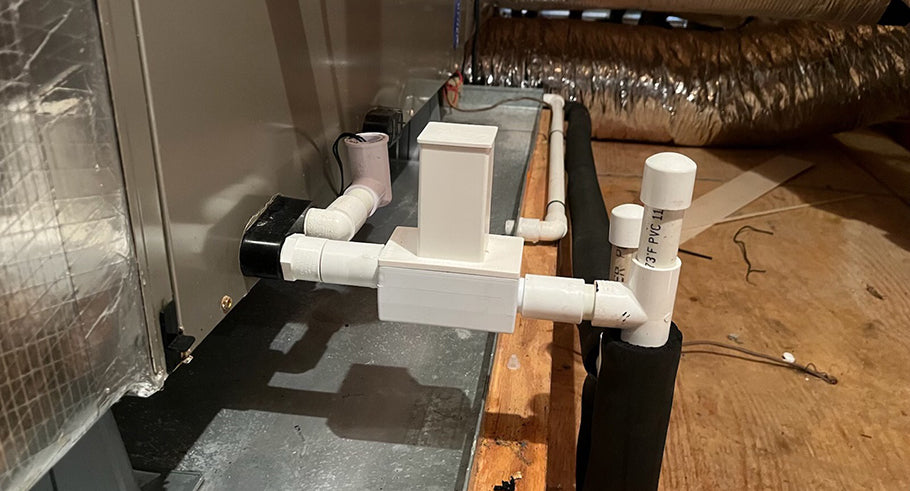
Air conditioners work by cooling indoor air and removing humidity through condensation. As warm air passes over the evaporator coil, moisture collects and drains away through a condensate line.
When the drainage system, ductwork, or airflow is compromised, water may begin to collect inside the air handler, ducts, or surrounding building materials. Over time, this moisture can damage insulation, drywall, and wood, and may also lead to mold growth.
AC moisture problems often develop gradually, making early detection important.
Why AC Moisture Issues Are Common in North Lauderdale
Several local factors make moisture problems more likely in this area.
These include:
- High year-round humidity
- Long cooling cycles during warm months
- Condensation forming in duct systems
- Aging AC systems in older homes
- Poor attic ventilation
- Clogged or slow condensate drain lines
Homes in Fort Lauderdale and Lighthouse Point often experience similar issues, especially where ductwork runs through warm attic spaces.
Humidity plays a major role because it increases the amount of condensation produced by AC systems, which places greater demand on drainage components.
Common Signs of AC Moisture Problems
Many homeowners first notice subtle warning signs before identifying the cause.
Common indicators include:
- Musty odors near vents or air handler closets
- Water stains on ceilings or walls
- Condensation around ductwork or registers
- Dripping sounds near AC equipment
- Reduced cooling efficiency
- Visible mold near vents or air handlers
These signs often appear gradually and may worsen during the most humid months.
Hidden Sources of Moisture Around AC Systems
Moisture related to AC systems often develops in areas that are difficult to inspect.
Common hidden sources include:
Clogged condensate lines that prevent proper drainage
Damaged or rusted drain pans allowing slow leaks
Poorly insulated ducts causing condensation in attics
Restricted airflow from dirty filters or blocked returns
Leaks around air handler connections
Because moisture can spread into insulation and structural materials, damage may extend beyond the immediate area of the AC unit.
Why DIY Repairs Often Do Not Solve the Problem
Some homeowners attempt to clear drain lines or wipe away visible condensation without addressing the root cause. While this may temporarily reduce symptoms, the underlying issue may remain.
Without proper inspection tools, hidden moisture inside ducts or walls can go unnoticed. Incomplete drying or partial repairs often lead to recurring moisture problems or mold growth.
Effective repair requires identifying both the moisture source and the affected areas.
How Professional AC Moisture Inspection Works
A thorough inspection helps determine why moisture is forming and how far it has spread.
This process often includes:
- Inspecting condensate lines and drain pans
- Checking evaporator coils and air handlers
- Measuring indoor humidity levels
- Inspecting duct insulation and airflow
- Using moisture meters to detect hidden damp areas
Technicians familiar with homes in North Lauderdale understand common duct layouts and ventilation patterns, which helps locate problems more efficiently.
The AC Moisture Repair Process
Once the source of moisture is identified, repairs focus on correcting both the immediate issue and underlying causes.
Repairs may include:
- Clearing and flushing clogged drain lines
- Repairing or replacing drain pans
- Sealing and insulating ductwork
- Improving airflow through cleaning or system adjustments
- Repairing AC components contributing to excess condensation
If mold or water damage has already occurred, affected materials may need to be cleaned, dried, or repaired.
Water Damage and Mold Prevention
Moisture problems related to AC systems often lead to mold growth if not addressed quickly. Damp insulation, drywall, and wood create ideal conditions for mold development.
Proper drying, dehumidification, and moisture control help prevent mold from forming. If mold is present, safe removal and remediation may be required before repairs are completed.
Homes in Coconut Creek, Margate, and Deerfield Beach frequently require similar restoration steps after AC moisture problems.
Air Ducts, HVAC Systems, and Indoor Air Quality
Duct systems play a major role in indoor air quality. Condensation inside ducts can allow dust, debris, or mold to accumulate.
When the AC runs, these particles may circulate throughout the home, causing odors and reduced air quality. Cleaning ducts and ensuring proper insulation helps prevent recurring problems and improves airflow.
Regular maintenance of HVAC systems also helps control humidity levels and reduce the risk of moisture buildup.
Practical Tips to Prevent AC Moisture Problems
Homeowners can reduce the risk of AC moisture issues by following simple maintenance steps:
- Replace air filters regularly
- Schedule annual AC inspections
- Keep condensate drain lines clean
- Ensure attic ventilation is working properly
- Monitor indoor humidity levels
- Address small leaks or condensation promptly
Routine maintenance is one of the most effective ways to prevent costly repairs.
Why Local Experience Matters
AC moisture repair in North Lauderdale requires an understanding of local climate conditions, building materials, and ventilation challenges.
Homes in Broward County often have attic configurations, duct systems, and insulation patterns that influence how moisture spreads and dries. Professionals familiar with North Lauderdale, Pompano Beach, and surrounding communities know where moisture problems are most likely to occur.
Pompano Mold Inspection and Testing has assisted many homeowners in locating hidden moisture, repairing AC-related issues, and restoring safe indoor conditions. Local experience helps ensure that repairs address long-term causes rather than temporary symptoms.
A Practical Next Step for Homeowners
AC moisture problems rarely resolve on their own. Even small drainage or condensation issues can gradually lead to mold growth and structural damage if left untreated.
If you notice musty odors, condensation, or signs of dampness near vents or air handlers, having the system inspected can prevent larger repairs later. Early detection, proper drying, and targeted repairs help protect homes in North Lauderdale and maintain comfortable indoor conditions year-round.