Indoor Air Quality Improvement Services in Lighthouse Point after Storm Damage: Costs, Causes, and Solutions
Storms are a regular part of life in Lighthouse Point. Heavy rain, strong winds, and occasional flooding can affect not only the structure of a home but also the air inside it. After a storm, moisture often remains trapped in walls, insulation, carpets, or duct systems, which can lead to odors, airborne particles, and reduced indoor air quality.
For homeowners in Lighthouse Point, as well as nearby areas like Pompano Beach, Deerfield Beach, and Fort Lauderdale, improving indoor air quality after storm damage is an important step in restoring a safe and comfortable living environment. Understanding the causes, potential costs, and available solutions helps property owners respond effectively.
What Happens to Indoor Air Quality After Storm Damage
Storms often introduce excess moisture into homes. Water can enter through roofs, windows, doors, or foundations. Even when visible water is removed, damp materials may continue releasing moisture into the air.
High humidity and damp materials allow mold and bacteria to develop, and dust or debris from storm intrusion may circulate through the HVAC system. These conditions can affect airflow, create odors, and make indoor environments feel uncomfortable.
Indoor air quality improvement focuses on drying the structure, removing contaminants, and restoring proper ventilation and airflow.
Common Causes of Indoor Air Quality Problems After Storms
Several factors contribute to poor indoor air quality following storm damage.
The most common causes include:
- Roof leaks allowing water into attic insulation
- Floodwater or rain entering through doors or windows
- Damp carpets, drywall, or flooring
- Moisture trapped inside duct systems
- AC systems circulating humid air
- Debris or dust entering ventilation systems
In coastal communities like Lighthouse Point, humidity levels remain high even after storms pass, which slows drying and increases the likelihood of mold growth.
Early Signs Homeowners Should Watch For
Indoor air quality problems often develop gradually. Homeowners may notice small changes before realizing there is a larger issue.
Common early signs include:
- Musty or damp odors
- Rooms feeling humid or heavy
- Increased dust near vents
- Uneven airflow from AC vents
- Stains on ceilings or walls
- Persistent dampness in certain rooms
These signs often indicate moisture or contaminants affecting the air inside the home.
Hidden Areas Where Air Quality Problems Begin
Many air quality issues originate in areas that are not easily visible.
Common hidden sources include:
Attic insulation that absorbed moisture during storms
Wall cavities affected by roof or window leaks
Carpet padding and subflooring that remained damp
Air ducts where condensation or debris accumulated
Closets or storage areas with poor ventilation
Because these areas are concealed, problems may persist long after visible water damage is cleaned.
How Indoor Air Quality Improvement Services Work
Improving indoor air quality after storm damage typically involves several steps designed to address both moisture and airborne contaminants.
The process often includes:
- Moisture detection to locate hidden damp areas
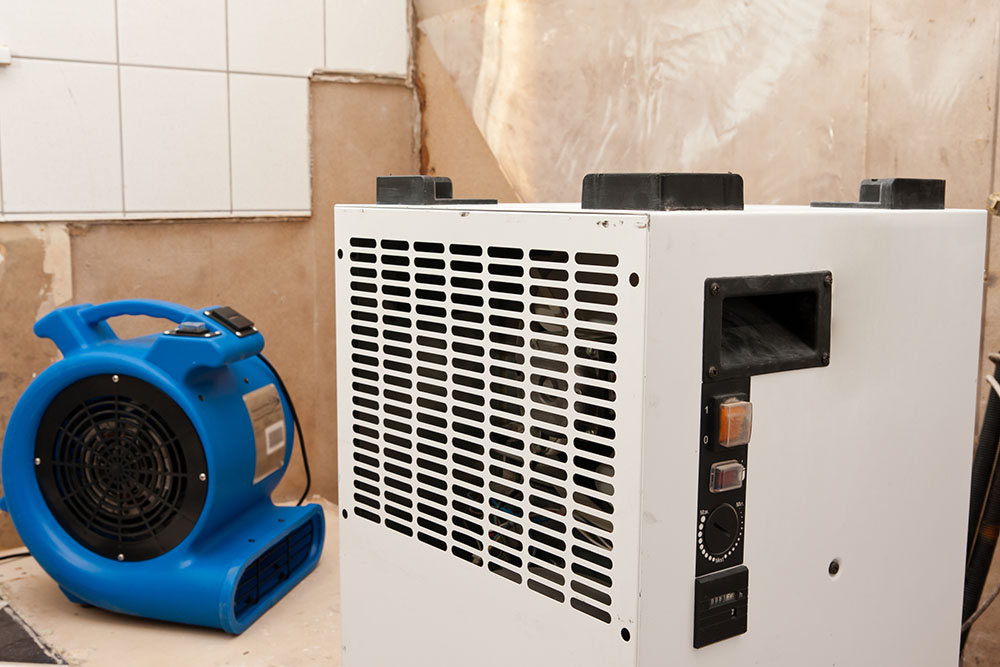
- Structural drying using air movers and dehumidifiers
- Cleaning or replacing contaminated materials
- Air duct inspection and cleaning if needed
- Repairing leaks or ventilation issues
- Monitoring humidity levels until conditions stabilize
These steps help restore balanced humidity and prevent contaminants from circulating through the home.
Typical Costs of Indoor Air Quality Improvement
Costs vary depending on the extent of storm damage and the size of the affected area. Minor drying and air quality improvements may involve relatively modest expenses, while extensive water damage and remediation may require more comprehensive restoration.
Factors that influence cost include:
- Size of the affected area
- Amount of moisture present
- Whether mold remediation is required
- Condition of HVAC systems and ductwork
- Repairs needed for drywall, insulation, or flooring
Addressing problems early often reduces overall costs because damage has less time to spread.
The Role of Moisture Control in Air Quality
Moisture control is one of the most important parts of improving indoor air quality. Excess humidity encourages mold growth, increases odors, and affects comfort.
Drying damp materials, repairing leaks, and improving ventilation help maintain balanced humidity levels. In humid climates like Lighthouse Point, keeping indoor humidity at moderate levels helps prevent recurring problems.
Monitoring humidity after storms is especially important, as moisture can linger even when surfaces appear dry.
HVAC Systems, Air Ducts, and Air Quality
HVAC systems play a major role in maintaining indoor air quality. After storm damage, ducts may contain dust, debris, or moisture that affects airflow and air cleanliness.
Condensation inside ducts is common in coastal homes, especially when ducts run through warm attic spaces. Cleaning ducts and ensuring proper insulation helps prevent moisture buildup and improves airflow.
Replacing air filters and inspecting drain lines also help restore proper system performance.
Water Damage and Structural Drying
Storm damage often affects more than just visible surfaces. Moisture trapped inside structural materials can continue affecting air quality long after the storm has passed.
Structural drying ensures that framing, insulation, and drywall reach safe moisture levels before repairs are completed. Flood restoration methods may be used in cases where water intrusion was extensive.
Homes in Margate, Coconut Creek, and North Lauderdale often require similar drying and restoration after severe storms.
Practical Steps Homeowners Can Take After a Storm
Homeowners can take several actions to reduce air quality problems after storm damage:
- Run air conditioning to reduce humidity
- Replace HVAC filters
- Inspect ceilings and walls for stains or dampness
- Check attics and closets for musty odors
- Use exhaust fans in kitchens and bathrooms
- Schedule professional inspection if humidity or odors persist
Prompt action helps prevent small issues from becoming major repairs.
Why Local Experience Matters
Improving indoor air quality in Lighthouse Point requires an understanding of coastal humidity, construction methods, and seasonal weather patterns. Homes in this region often have attic layouts and ventilation systems that behave differently than those in drier climates.
Professionals familiar with Lighthouse Point, Pompano Beach, and surrounding Broward County communities know where moisture tends to accumulate and how to address it effectively.
Pompano Mold Inspection and Testing has worked with many homeowners to locate hidden moisture, improve airflow, and restore indoor air quality after storms. Local experience helps ensure that solutions address long-term causes rather than temporary symptoms.
A Practical Next Step for Homeowners
Indoor air quality problems after storm damage rarely resolve without addressing their source. Musty odors, lingering humidity, or uneven airflow often indicate hidden moisture that should be inspected.
Early drying, proper cleaning, and timely repairs help restore comfortable indoor conditions and protect the home from long-term damage. Taking action soon after a storm is the most effective way to maintain safe indoor air in Lighthouse Point homes.