Expert Advice for Homeowners: Water Leak Detection in Margate in Coastal Homes
Water leaks are a common concern for homeowners in Margate, especially in coastal homes where humidity, storms, and salt air can gradually affect plumbing systems and building materials. Many leaks begin in hidden areas and remain unnoticed until stains, odors, or structural damage appear. By that point, repairs may be more extensive than expected.
Water leak detection helps identify hidden problems early, allowing homeowners to repair issues before they lead to mold growth, indoor air quality concerns, or costly structural damage. Understanding how leak detection works and how to prevent leaks is essential for maintaining homes in coastal areas.
What Water Leak Detection Involves
Water leak detection is the process of locating the source of water intrusion and identifying areas affected by moisture. While some leaks are visible, many occur behind walls, under flooring, or inside ceilings where water spreads slowly over time.
Detection focuses on finding both the leak and any hidden moisture that may have traveled through building materials. Early detection allows homeowners to repair leaks and dry affected areas before damage spreads.
In humid climates like Margate, this process is especially important because moisture tends to linger longer than in drier regions.
Why Coastal Homes in Margate Are More Vulnerable
Coastal homes face environmental conditions that increase the likelihood of leaks and moisture problems.
Common contributing factors include:
- High humidity levels throughout the year
- Heavy rain and seasonal storms
- Salt air contributing to corrosion of plumbing components
- Roof wear from wind and coastal weather
- Air-conditioning condensation
Homes in nearby Coconut Creek, Pompano Beach, and Deerfield Beach often experience similar conditions, particularly in older properties or homes with aging plumbing.
Because humidity slows evaporation, even minor leaks may lead to moisture buildup over time.
Early Warning Signs of a Water Leak
Many homeowners notice warning signs before discovering the actual source of a leak.
Common signs include:
- Musty or damp odors
- Water stains on ceilings or walls
- Peeling paint or bubbling drywall
- Warped flooring or baseboards
- Increased indoor humidity
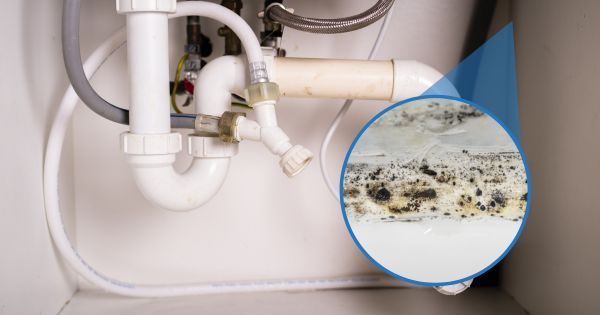
- Unexplained mold growth
These signs often indicate hidden moisture that should be inspected.
Hidden Areas Where Leaks Often Develop
Water leaks frequently begin in areas that are difficult to inspect visually.
Typical hidden locations include:
Inside wall cavities where plumbing lines run
Under sinks or behind appliances
In attic spaces after roof leaks
Around air handlers or AC drain lines
Inside duct systems affected by condensation
Because water travels along framing and structural materials, visible damage may appear far from the original leak.
Why Leak Detection Matters
Leak detection helps homeowners prevent serious damage by identifying problems early. When leaks are repaired quickly, structural materials often can be dried and preserved rather than replaced.
Timely leak detection helps:
- Prevent mold growth
- Protect drywall and insulation
- Maintain indoor air quality
- Reduce long-term repair costs
- Preserve structural integrity
Addressing leaks early often prevents larger restoration projects.
Why DIY Detection Often Misses Hidden Leaks
Homeowners sometimes rely on visual inspections alone, but many leaks occur inside walls or under flooring where they cannot be seen. Surfaces may appear dry while moisture remains trapped inside structural materials.
Household moisture indicators or basic checks may not reveal the full extent of a problem. Professional detection methods use tools designed to locate hidden moisture accurately.
Without proper detection, leaks may continue unnoticed and cause gradual damage.
How Professional Water Leak Detection Works
Professional leak detection usually begins with a thorough inspection of the home. Areas where leaks are most likely to occur are carefully examined.
The process often includes:
- Moisture meter readings in walls and flooring
- Inspection of plumbing fixtures and supply lines
- Checking attic and roof areas
- Evaluating HVAC systems and condensate lines
- Measuring humidity levels
Technicians familiar with Margate homes understand common building layouts and areas where moisture tends to accumulate.
The Importance of Moisture Control After Leak Detection
Once a leak is located and repaired, drying affected areas is essential. Moisture trapped in structural materials can lead to mold growth if not properly removed.
Drying methods may include:
- Increasing airflow
- Using dehumidifiers
- Removing wet insulation or materials when necessary
- Monitoring moisture levels until safe conditions are reached
Proper drying helps ensure that repairs are effective and long-lasting.
HVAC Systems, Ducts, and Leak-Related Moisture
Air conditioning systems play a major role in moisture control in coastal homes. Condensation from AC units or clogged drain lines can cause leaks that go unnoticed for long periods.
Moisture inside ducts can affect indoor air quality and allow mold to develop. Inspecting and maintaining HVAC systems helps prevent these problems and improves airflow throughout the home.
Replacing air filters regularly and keeping drain lines clear also reduces the risk of leaks.
Practical Prevention Tips for Homeowners
Preventing water leaks is often easier than repairing water damage. Homeowners in Margate can reduce risks by following simple maintenance steps:
- Inspect plumbing fixtures regularly
- Repair small leaks promptly
- Check roofs after storms
- Maintain air-conditioning systems and drain lines
- Monitor indoor humidity levels
- Address musty odors or stains quickly
Routine inspections and maintenance help identify problems before they become serious.
Water Damage and Mold Prevention
Water leaks are one of the most common causes of mold growth in coastal homes. Damp drywall, insulation, or flooring provides ideal conditions for mold to develop.
Leak detection combined with prompt drying helps prevent mold and protects indoor air quality. Homes in North Lauderdale, Lighthouse Point, and Fort Lauderdale often require similar inspections after storms or plumbing leaks.
Early detection remains one of the most effective ways to prevent mold-related damage.
Why Local Experience Matters
Water leak detection in Margate requires an understanding of coastal humidity, construction methods, and seasonal weather patterns common in Broward County homes. Moisture spreads differently in humid environments, and drying often requires specialized techniques.
Professionals familiar with Margate, Pompano Beach, and surrounding communities know where hidden moisture is most likely to remain and how to identify it effectively.
Pompano Mold Inspection and Testing has helped many homeowners locate hidden leaks, repair moisture damage, and restore safe indoor conditions. Local experience helps ensure that repairs address long-term causes rather than temporary symptoms.
A Practical Next Step for Homeowners
Water leaks rarely resolve on their own. Musty odors, stains, or persistent humidity often indicate hidden moisture that should be investigated.
Scheduling professional leak detection helps identify problems early and prevent larger repairs later. Early detection, prompt repairs, and proper drying remain the most effective ways to protect homes in Margate, especially in coastal environments where moisture can spread quickly.