Water Removal Services in Fort Lauderdale after Hurricanes: Inspection and Repair Guide
Hurricanes are a reality for homeowners in Fort Lauderdale. Strong winds, heavy rain, and storm surge can allow water to enter homes quickly, damaging floors, walls, insulation, and personal property. Even after visible water is removed, moisture often remains trapped inside structural materials, creating conditions that can lead to mold growth and long-term damage.
Water removal services play a critical role in restoring homes after hurricanes. Understanding how inspection and repair work helps homeowners take the right steps to protect their property and prevent future problems.
What Happens to Homes After Hurricane Flooding
When hurricane-related flooding occurs, water rarely stays in one area. It spreads through porous materials such as drywall, wood, carpeting, and insulation. Because Fort Lauderdale’s climate is warm and humid, these materials may remain damp long after the water recedes.
Moisture trapped inside walls or flooring can weaken structural components and lead to odors, mold growth, and reduced indoor air quality if not addressed properly.
Water removal services focus on extracting water, drying materials, and restoring affected areas safely.
Why Hurricane Water Damage Is Common in Fort Lauderdale
Several local factors increase the risk of water damage after hurricanes:
- Intense rainfall over short periods
- Storm surge in coastal areas
- Wind-driven rain entering roofs or windows
- Poor drainage or overwhelmed stormwater systems
- High humidity slowing the drying process
Homes in nearby Pompano Beach, Lighthouse Point, and Deerfield Beach often experience similar flooding conditions during severe storms.
Because hurricanes affect large areas at once, restoration services must often address multiple moisture sources within a home.
Common Signs of Water Damage After Hurricanes
Water damage is not always immediately visible. Homeowners often notice warning signs in the days following a storm.
Typical signs include:
- Water stains on ceilings or walls
- Musty or damp odors
- Warped flooring or baseboards
- Peeling paint or bubbling drywall
- Persistent indoor humidity
- Damp carpets or padding
These signs often indicate hidden moisture that requires professional drying.
Hidden Areas Where Moisture Often Remains
After hurricane flooding, water frequently accumulates in areas that are difficult to inspect.
Common hidden locations include:
Inside wall cavities
Under flooring and subfloors
In attic insulation affected by roof leaks
Behind cabinets or appliances
Inside air ducts or HVAC systems
Because moisture travels along framing and structural components, visible damage may not show the full extent of the problem.
Why Immediate Water Removal Is Important
Water damage becomes more severe the longer moisture remains in place. Prompt water removal helps:
- Prevent mold growth
- Protect structural materials
- Reduce odors and humidity
- Maintain indoor air quality
- Lower long-term repair costs
Early drying often allows materials to be preserved rather than replaced.
Why DIY Water Removal Often Falls Short
Some homeowners attempt to remove water using household fans or small wet vacuums. While this may remove surface water, it often does not eliminate moisture trapped inside structural materials.
Drywall, insulation, and wood can hold moisture internally even when surfaces feel dry. Without professional equipment and moisture detection tools, hidden dampness may remain and lead to mold growth weeks later.
Professional water removal services ensure that both visible and hidden moisture are addressed.
The Inspection Process After Hurricane Damage
Water removal begins with a detailed inspection to determine how far water has spread and what materials are affected.
Inspection typically includes:
- Moisture meter readings in walls and floors
- Checking attic spaces and insulation
- Inspecting plumbing and roofing areas
- Evaluating ductwork and HVAC systems
- Measuring indoor humidity levels
Technicians familiar with Fort Lauderdale homes understand common construction methods and moisture patterns, which helps locate hidden damage efficiently.
Water Extraction and Structural Drying
Once affected areas are identified, water extraction and drying begin.
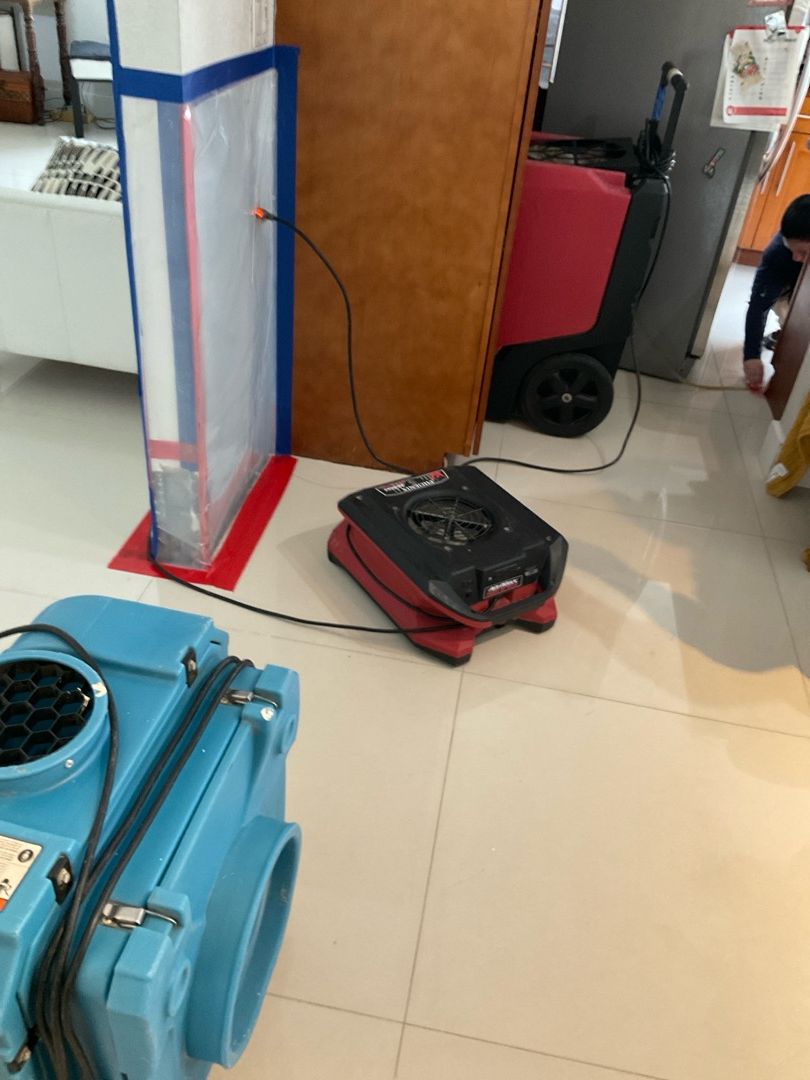
This process may include:
- Removing standing water
- Using air movers to increase evaporation
- Running dehumidifiers to reduce indoor humidity
- Drying carpets, padding, and structural materials
- Monitoring moisture levels until materials reach safe conditions
Structural drying ensures that moisture does not remain trapped inside walls or flooring.
Repairing Hurricane Water Damage
After drying is complete, repairs may be needed to restore the home.
Common repairs include:
- Replacing damaged drywall or insulation
- Repairing flooring and baseboards
- Cleaning and sanitizing affected areas
- Sealing areas where water entered
- Repairing roof or exterior damage
Addressing the source of water intrusion is essential to prevent recurring problems.
Mold Prevention After Water Damage
Mold growth is one of the most common complications following hurricane flooding. Damp materials provide ideal conditions for mold to develop, especially in humid climates like Fort Lauderdale.
Proper drying and moisture control are essential to prevent mold. If mold is already present, remediation may be required before repairs are completed.
Homes in Margate, Coconut Creek, and North Lauderdale often require similar drying and mold prevention steps after flooding.
Air Ducts, AC Systems, and Moisture
Hurricane flooding can also affect HVAC systems. Moisture entering air handlers or ductwork can create conditions where mold develops inside ventilation systems.
When the system runs, contaminated air may circulate throughout the home. Air duct inspection and cleaning may be recommended after water damage repair to ensure ventilation systems remain clean and dry.
Maintaining AC systems and keeping condensate drain lines clear also helps prevent moisture buildup.
Practical Steps Homeowners Can Take After a Hurricane
Homeowners can reduce damage and improve restoration results by taking prompt action:
- Remove standing water as quickly as possible
- Run air conditioning or dehumidifiers to reduce humidity
- Move furniture away from wet areas
- Replace HVAC filters after flooding
- Inspect ceilings and walls for dampness
- Schedule professional inspection if odors or moisture persist
Quick action often prevents minor flooding from becoming major structural damage.
Why Local Experience Matters
Water removal after hurricanes in Fort Lauderdale requires an understanding of coastal weather patterns, humidity levels, and construction methods common in Broward County homes. Moisture spreads differently in humid environments, and drying often requires specialized techniques.
Professionals familiar with Fort Lauderdale, Pompano Beach, and surrounding communities know where hidden moisture is most likely to remain and how to address it effectively.
Pompano Mold Inspection and Testing has assisted many homeowners in locating hidden moisture, removing floodwater safely, and restoring indoor conditions after hurricanes. Local experience helps ensure restoration addresses long-term causes rather than temporary symptoms.
A Practical Next Step for Homeowners
Hurricane-related water damage should never be ignored, even when surfaces appear dry. Moisture trapped inside structural materials can lead to mold growth, odors, and structural deterioration if not properly addressed.
Scheduling a professional inspection and water removal service helps protect your home and prevent larger repairs later. Early drying, proper cleaning, and timely repairs remain the most effective ways to restore homes in Fort Lauderdale after hurricanes.