
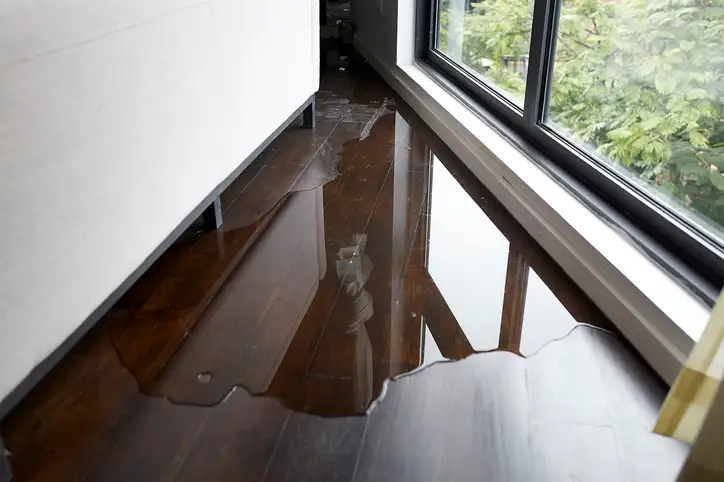
A Complete Homeowner Guide: Water Leak Detection in Lauderdale-by-the-Sea From AC Condensation
In Lauderdale-by-the-Sea, air conditioning is essential—but it’s also one of the most common sources of hidden water leaks. AC condensation is normal; AC leaks are not. In a coastal climate with constant humidity and heavy AC use, small drainage or insulation issues can quietly release water into walls, ceilings, and floors. Water leak detection helps homeowners identify these problems early, before they turn into widespread damage.
This guide explains how AC condensation causes leaks, where they hide, and how professional detection protects coastal homes.
How AC Condensation Turns Into Water Leaks
As warm, humid air passes over cold evaporator coils, moisture condenses and should drain through a condensate line. When that pathway is blocked, damaged, or improperly installed, water escapes.
Common failure points include clogged drain lines, cracked or rusted drip pans, disconnected fittings, and improperly sloped drains. In coastal homes, sweating ducts and poorly insulated lines can also drip water continuously. Because these leaks are slow and ongoing, damage often spreads without immediate warning.
Why Lauderdale-by-the-Sea Homes Are Especially Vulnerable
Coastal humidity forces AC systems to remove more moisture, increasing condensate volume. Salt air accelerates corrosion on metal components like pans and fittings. Many homes use attic or closet air handlers where leaks quickly affect ceilings and wall cavities.
Slab foundations slow drying once water enters the structure, and tight construction limits natural airflow. Together, these factors make AC condensation leaks more common—and harder to spot—near the coast.
Early Warning Signs Homeowners Often Miss
AC-related leaks rarely look dramatic at first. Musty odors when the system runs are a frequent clue. Faint ceiling stains near vents or air handlers may appear and disappear. Paint can bubble or peel without an obvious source.
Some rooms feel damp or uncomfortable even with normal cooling. These signs usually indicate water leaking behind surfaces, not surface condensation.
Hidden Places AC Condensation Leaks Travel
Leaks often start at the air handler but don’t stay there. Water can migrate along framing, into insulation, and down wall cavities before becoming visible.
Common hidden zones include attic insulation beneath air handlers, ceiling cavities around supply lines, wall spaces near refrigerant lines, and ductwork with compromised insulation. Flooring near interior closets can also absorb moisture without visible pooling.
Why Visual Checks Aren’t Enough
Dry surfaces don’t guarantee dry structures. You can’t see moisture inside drywall, insulation, or beneath flooring. That’s why visual checks and wiping visible water rarely solve the problem.
Water leak detection uses moisture meters and thermal imaging to locate damp materials behind walls and ceilings. This confirms whether moisture is active, where it’s spreading, and what needs attention—without guesswork.
How Professional Water Leak Detection Works
Detection starts with a system-focused inspection. Air handlers, drain lines, pans, and ductwork are evaluated first. Moisture detection tools then trace water pathways through nearby building materials.
Thermal imaging highlights temperature differences that often indicate damp areas. Findings are documented clearly so homeowners understand the source, scope, and urgency of the issue.
When Detection Leads to Repairs
Results guide targeted repairs instead of broad demolition. Common fixes include clearing or rerouting drain lines, replacing damaged pans, correcting slopes, improving duct insulation, or sealing penetrations.
If surrounding materials were affected, controlled drying is performed and verified before cosmetic repairs. When moisture exposure was prolonged, mold inspection may be recommended to confirm conditions are fully resolved.
The Role of HVAC Maintenance in Prevention
Routine AC maintenance is the best prevention. Regular drain line service, pan inspections, and airflow checks reduce overflow risk. Duct insulation should be inspected in attic spaces where sweating is common.
Monitoring indoor humidity and responding quickly to odors or stains prevents small leaks from becoming structural issues.
Why Local Experience Matters in Lauderdale-by-the-Sea
AC condensation behaves differently in coastal South Florida. Professionals familiar with Lauderdale-by-the-Sea understand how humidity, salt air, attic heat, and slab foundations affect moisture movement.
Local expertise ensures detection is accurate and repairs are appropriate for the environment. Companies like Pompano Mold Inspection and Testing bring that regional knowledge when evaluating AC-related leaks in coastal homes.
A Smart Step for Coastal Homeowners
AC condensation leaks are common, quiet, and preventable. Water leak detection provides clarity when signs are subtle and moisture is hidden.
For Lauderdale-by-the-Sea homeowners, early detection protects ceilings, walls, flooring, and HVAC systems—helping avoid repeat damage and keeping homes comfortable in a demanding coastal climate.
