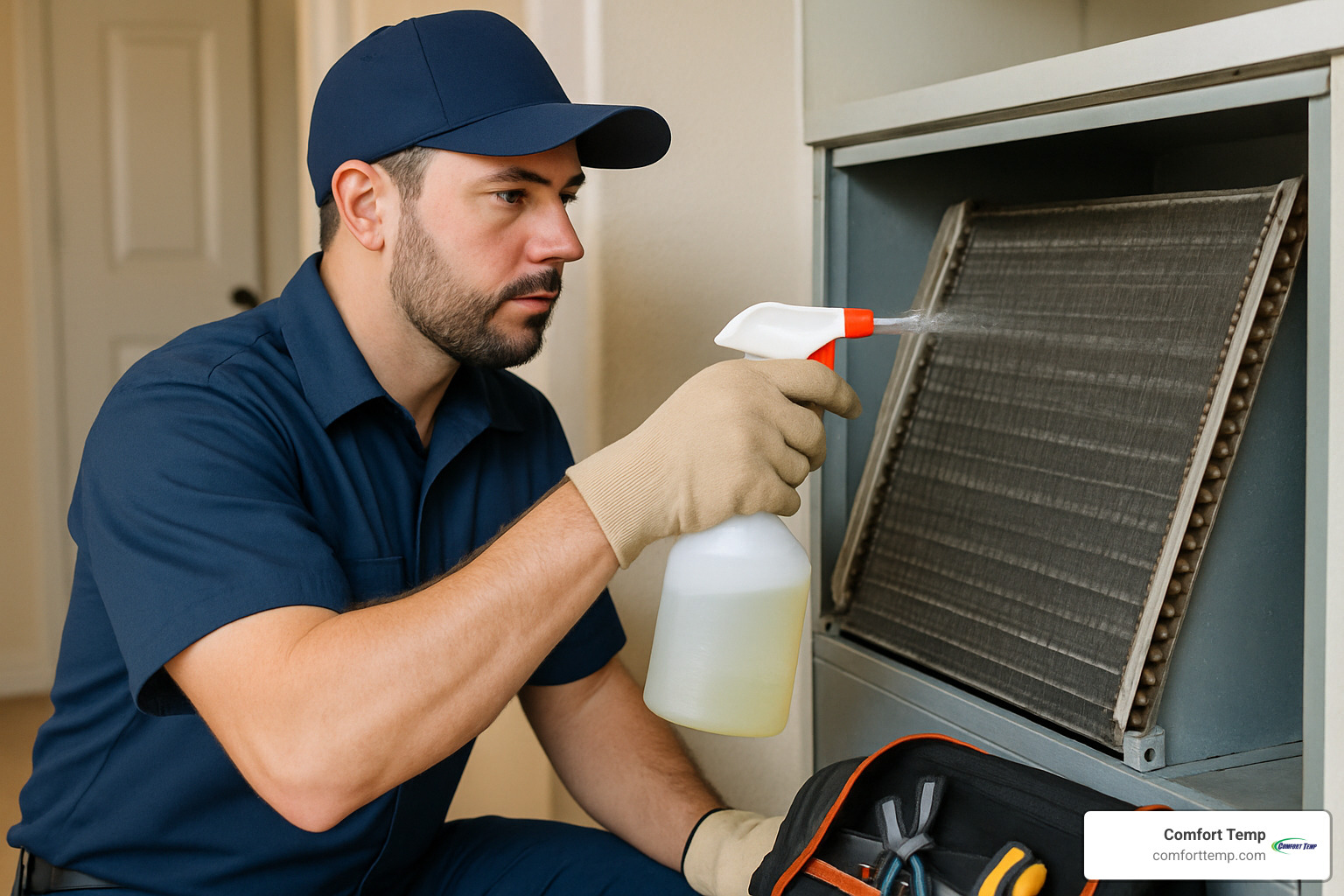
AC Moisture Repair in Coconut Creek: Common Causes and Solutions
Air-conditioning systems are essential in Coconut Creek, where warm temperatures and high humidity are present most of the year. While AC systems are designed to remove moisture from the air, problems within the system can sometimes lead to excess condensation, water leaks, or humidity buildup inside a home. If these issues are not corrected, moisture can affect ceilings, walls, flooring, and duct systems, and may eventually contribute to mold growth or structural damage. Understanding the common causes of AC moisture problems and how repairs work helps homeowners maintain comfortable and dry indoor environments.
How AC Systems Produce Moisture
Air conditioners remove heat and humidity from indoor air as part of the cooling process. As warm air passes over the evaporator coil, moisture condenses and drains away through a condensate line.
Under normal conditions:
- Moisture collects on the evaporator coil
- Water drains through a condensate line
- Indoor humidity levels remain balanced
When any part of this process is disrupted, excess moisture may accumulate or leak into surrounding areas.
Common Causes of AC Moisture Problems
Several issues can lead to moisture buildup or leaks in AC systems. In Coconut Creek homes, technicians frequently find problems caused by:
- Clogged condensate drain lines
- Dirty or clogged air filters
- Frozen evaporator coils
- Cracked or rusted drain pans
- Improper system installation
- Blocked or damaged duct insulation
Even small problems can allow water to overflow or remain trapped in building materials.
Why Homes in Coconut Creek Are Vulnerable
Environmental conditions in Coconut Creek increase the likelihood of AC moisture problems:
- High humidity levels throughout the year
- Continuous air-conditioning use
- Warm attic spaces affecting ductwork
- Frequent storms and rain increasing indoor moisture
Because the air already contains significant humidity, damp materials may take longer to dry once moisture problems begin.
Early Signs of AC Moisture Problems
Moisture issues often begin gradually. Homeowners should watch for early warning signs that indicate an AC-related moisture problem:
- Water stains near ceilings or air handler closets
- Musty or damp odors when the AC runs
- Increased indoor humidity
- Dripping or water pooling near HVAC equipment
- Peeling paint or bubbling drywall
These signs often indicate hidden moisture that should be inspected promptly.
Hidden Areas Where AC Moisture Often Develops
Moisture from AC systems frequently affects areas that are not visible during daily living. Inspectors in Coconut Creek often find dampness in:
- Air handler closets
- Ceiling cavities beneath HVAC systems
- Attic duct insulation
- Wall cavities near refrigerant lines
- Flooring around equipment platforms
Because these areas are concealed, moisture can remain for long periods without being noticed.
Why AC Moisture Repair Matters
Repairing AC moisture problems helps protect both the home and the cooling system. Proper repairs help:
- Prevent mold growth
- Protect drywall and insulation
- Reduce musty odors
- Improve indoor air quality
- Maintain HVAC efficiency
Addressing moisture problems early often prevents larger restoration work.
Why DIY Repairs Often Fall Short
Some homeowners attempt to clear drain lines or dry damp areas without identifying the full cause of the problem. While temporary fixes may reduce visible water, underlying issues may remain.
DIY repairs may be ineffective because:
- Moisture sources are not fully identified
- Internal components are not inspected
- Hidden damp materials remain
- Humidity levels are not measured accurately
Professional inspections help ensure that the root cause is corrected.
Understanding the AC Moisture Repair Process
Professional AC moisture repair usually follows a structured process.
Step 1: Inspection of the HVAC System
Technicians inspect the air handler, coils, drain lines, and ductwork for moisture or damage.
Step 2: Clearing Drain Lines and Components
Clogs or blockages in the condensate line are removed to restore proper drainage.
Step 3: Repairing or Replacing Damaged Parts
Drain pans, insulation, or other components may be repaired or replaced.
Step 4: Moisture Detection and Drying
Moisture meters are used to locate damp areas, and drying equipment may be used if necessary.
Pompano Mold Inspection and Testing often evaluates moisture conditions and AC-related leaks in Coconut Creek and nearby Broward County communities, helping homeowners identify hidden moisture and prevent long-term damage.
The Connection Between AC Moisture and Mold
Excess moisture from air-conditioning systems can create conditions where mold develops, especially in humid climates. Mold may grow in:
- Ceiling drywall
- Duct insulation
- Air handler compartments
- Wall cavities near equipment
If mold is discovered, remediation may include removing affected materials, cleaning structural surfaces, and thoroughly drying the area.
Water Damage Repair After AC Leaks
If condensation leaks have caused damage, restoration may include:
- Structural drying using air movers and dehumidifiers
- Repairing drywall or insulation
- Monitoring moisture levels until stabilization
Proper drying helps prevent mold growth and protects building materials.
Practical Solutions That Help Prevent AC Moisture Problems
Homeowners in Coconut Creek can reduce the risk of AC moisture issues by following simple maintenance steps.
Replace Air Filters Regularly
Clean filters improve airflow and reduce condensation buildup.
Schedule Routine HVAC Maintenance
Regular servicing helps detect worn components and drainage issues early.
Keep Drain Lines Clear
Periodic cleaning helps prevent clogs and overflow.
Inspect Air Handler Areas Periodically
Checking for moisture or staining helps identify leaks early.
Monitor Indoor Humidity
Maintaining balanced humidity reduces condensation problems.
These steps significantly reduce the likelihood of future moisture issues.
Why Routine Inspections Matter
Periodic inspections help identify small problems before they become serious. Routine AC and moisture inspections are especially helpful:
- During humid summer months
- When cooling efficiency changes
- After storms or heavy rain
- When musty odors appear
Early detection often prevents costly repairs.
Why Local Experience Matters
AC moisture repair in South Florida requires an understanding of local climate and building conditions. Professionals familiar with Coconut Creek understand:
- How humidity affects HVAC systems
- Typical attic and duct layouts in Broward County homes
- Common condensation patterns in coastal climates
This local knowledge helps repairs and inspections be more effective.
A Practical Next Step for Homeowners
AC moisture problems may begin with small leaks or condensation, but they can lead to significant damage if left untreated. Identifying warning signs early, maintaining HVAC systems, and scheduling inspections help keep homes dry and comfortable.
With proper maintenance, timely repairs, and attention to humidity levels, homeowners in Coconut Creek can protect their homes and cooling systems throughout the year.