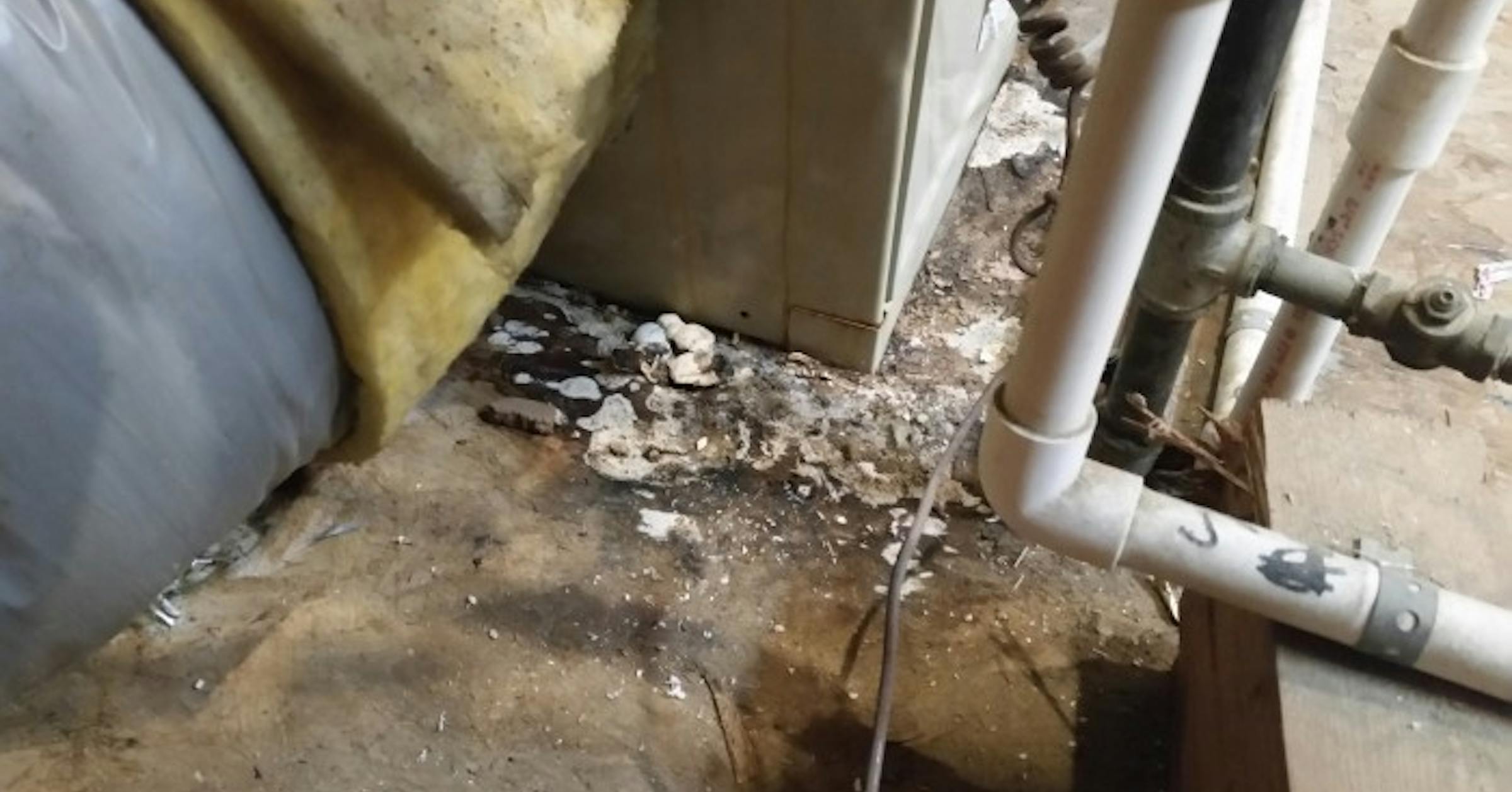
AC Moisture Repair in Lauderdale-by-the-Sea: Risks and Prevention Methods
Air conditioning systems are essential in Lauderdale-by-the-Sea, where warm temperatures and coastal humidity make cooling a year-round necessity. However, the same systems that control indoor comfort can also become a source of moisture problems when condensation, drainage issues, or ventilation problems occur. Over time, excess moisture from AC systems can lead to mold growth, water damage, and poor indoor air quality.
Understanding the risks associated with AC moisture and the most effective prevention methods helps homeowners protect their properties and maintain comfortable, healthy indoor environments.
What AC Moisture Problems Really Are
Air conditioners remove humidity from indoor air, and this moisture is normally drained away through a condensate line. When this process is disrupted, water can accumulate in areas that are not easily visible.
AC-related moisture problems commonly affect:
- Ceilings below attic air handlers
- Walls near refrigerant or drain lines
- Air ducts and insulation
- Closets or mechanical rooms
- Areas around vents and registers
Because condensation develops gradually, damage often progresses before homeowners realize there is a problem.
AC moisture repair focuses on identifying the source of moisture, correcting drainage or airflow issues, and drying affected areas.
Why AC Moisture Problems Are Common in Lauderdale-by-the-Sea
Several factors make homes in Lauderdale-by-the-Sea more vulnerable to AC-related moisture issues.
High coastal humidity means air conditioners must remove large amounts of moisture, increasing the chance of condensation problems.
Frequent rainy periods raise indoor humidity levels and put additional strain on HVAC systems.
Warm attic environments combined with cool duct surfaces often lead to condensation forming on ductwork.
Continuous AC operation during the summer months increases the likelihood of clogged drain lines or overflow issues.
Nearby communities such as Pompano Beach, Lighthouse Point, and Fort Lauderdale experience similar conditions due to the coastal climate and seasonal storms.
Common Signs of AC Moisture Problems
Moisture issues related to air conditioning often begin with subtle warning signs.
Homeowners may notice:
- Musty odors when the AC runs
- Water stains on ceilings or walls
- Condensation around vents
- Increased indoor humidity
- Reduced cooling efficiency
In some cases, mold begins forming near vents or air handlers, indicating that moisture has been present for some time.
Recognizing these signs early helps prevent more extensive repairs.
Hidden Risks of AC Moisture
One of the most challenging aspects of AC moisture problems is that damage often occurs in areas that are rarely inspected.
Common hidden problem areas include:
- Attic duct insulation
- Inside wall cavities near AC lines
- Return air chases
- Drip pans and condensate drain lines
- Behind ceiling drywall
Attics in Lauderdale-by-the-Sea homes are especially vulnerable because warm, humid air surrounds cold ducts, causing condensation to form and soak insulation.
Professional inspections often identify these hidden issues before visible damage becomes severe.
Why DIY Repairs Often Fail
Homeowners sometimes attempt to clear visible drain clogs or dry affected areas with fans. While this may help temporarily, it rarely addresses the full problem.
DIY repairs often fall short because:
- Moisture inside walls or ducts remains
- Drain lines may clog again if not properly cleaned
- Mold growth may already be present
- Airflow or ventilation problems are not corrected
Without addressing the source of moisture and drying affected materials thoroughly, problems often return.
Professional repair methods are designed to identify all contributing factors and prevent recurrence.
Professional Inspection and Moisture Detection Explained
A thorough inspection is the first step in effective AC moisture repair.
Technicians typically:
- Inspect condensate drain lines and drip pans
- Measure moisture levels in ceilings and walls
- Evaluate duct insulation and airflow
- Check attic ventilation
- Identify early signs of mold growth
Local specialists such as Pompano Mold Inspection and Testing understand the seasonal humidity patterns and HVAC conditions common in Lauderdale-by-the-Sea homes. Their experience helps ensure that inspections identify both visible and hidden moisture sources.
Accurate detection allows repairs to target the root cause rather than just the symptoms.
The AC Moisture Repair Process
Repairing AC moisture problems involves several steps designed to restore proper drainage and airflow.
Typical repairs may include:
Drain line cleaning or repair
Clearing blockages ensures condensation drains properly.
Drip pan inspection and replacement
Damaged or corroded pans may allow water to leak into ceilings.
Duct inspection and sealing
Improving insulation and sealing leaks helps prevent condensation.
Drying affected areas
Air movers and dehumidifiers remove trapped moisture from building materials.
Ventilation improvements
Better airflow helps maintain balanced humidity levels.
Addressing both the source of moisture and the resulting damage helps prevent future problems.
Mold Risks Linked to AC Moisture
Excess moisture from AC systems often leads to mold growth if not addressed quickly. Mold can begin forming in damp environments within a short period.
Mold commonly develops:
- Around vents and ducts
- Inside wall cavities
- On ceiling drywall
- In attic insulation
Prompt drying and repair significantly reduce this risk. If mold is already present, remediation may be necessary before repairs are completed.
Water Damage and Restoration Considerations
AC moisture problems can sometimes cause water damage similar to minor leaks or flooding, particularly when drain lines overflow.
Water damage restoration may involve:
- Removing saturated drywall or insulation
- Drying structural materials
- Cleaning affected areas
- Repairing ceilings or walls
Proper drying is essential to prevent long-term structural damage and mold growth.
Homes in Coconut Creek, Margate, and North Lauderdale often require similar restoration steps after prolonged moisture issues.
Prevention Methods That Work
Preventing AC moisture problems is often easier and less expensive than repairing damage.
Practical prevention steps include:
- Cleaning AC drain lines regularly
- Scheduling routine HVAC maintenance
- Inspecting attic ducts for insulation problems
- Replacing air filters on schedule
- Monitoring indoor humidity levels
Routine inspections before and during the rainy season help detect potential issues early.
Maintaining ventilation and airflow is especially important in coastal communities where humidity remains high year-round.
Why Local Experience Matters
AC moisture repair in South Florida requires knowledge of regional climate conditions and construction methods. High humidity, coastal air, and heavy HVAC use create challenges that differ from those in other regions.
Local professionals understand:
- Seasonal humidity patterns
- Ventilation challenges in coastal homes
- Typical attic duct configurations
- Drying requirements in humid environments
Working with experienced providers such as Pompano Mold Inspection and Testing helps ensure that inspections and repairs are handled using methods suited to local conditions.
A Calm, Practical Next Step
AC moisture problems are common in Lauderdale-by-the-Sea, particularly during humid months and the rainy season. Early inspection, proper repairs, and routine maintenance help prevent mold growth, water damage, and costly structural repairs.
Homeowners who stay alert to warning signs and schedule periodic HVAC inspections can maintain efficient cooling systems and protect their homes from long-term moisture issues.