

AC Moisture Repair Services in Fort Lauderdale from Poor Ventilation: A Complete Homeowner Guide
In Fort Lauderdale homes, air conditioning is essential for comfort, but when ventilation is inadequate, AC systems can become a major source of moisture damage. Poor ventilation allows humidity and condensation to build up, turning normal AC operation into a hidden water problem that affects ceilings, walls, floors, and indoor comfort.
Many homeowners focus on AC performance but overlook ventilation. Understanding how poor ventilation contributes to AC moisture issues, how repairs should be handled, and what prevents future damage is critical for protecting Fort Lauderdale homes in a humid coastal climate.
How Poor Ventilation Leads to AC Moisture Problems
Air conditioning systems are designed to remove heat and humidity from indoor air. Ventilation helps balance air movement and allows moisture to exit the home.
When ventilation is inadequate, humid air becomes trapped. This increases condensation on cold AC components such as evaporator coils, ductwork, and air handlers.
Without proper airflow, moisture does not evaporate or drain as intended. Condensation accumulates and eventually leaks into surrounding materials, causing damage over time.
In Fort Lauderdale’s climate, even minor ventilation issues can quickly turn into ongoing moisture problems.
Why Fort Lauderdale Homes Are Especially Affected
Fort Lauderdale experiences high humidity for much of the year. Homes rely heavily on air conditioning to manage both temperature and moisture.
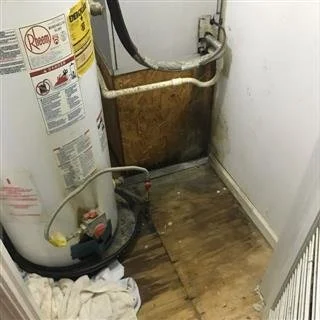
Many homes have air handlers installed in closets, attics, or enclosed utility spaces with limited airflow. These areas are especially prone to condensation when ventilation is poor.
Tightly sealed homes designed for energy efficiency may lack adequate air exchange, allowing humidity to build up indoors.
Coastal weather, frequent storms, and salt air further stress ventilation systems and increase moisture pressure inside homes.
Common Ventilation-Related AC Moisture Sources
Clogged or poorly designed return air pathways restrict airflow, causing cold surfaces to sweat.
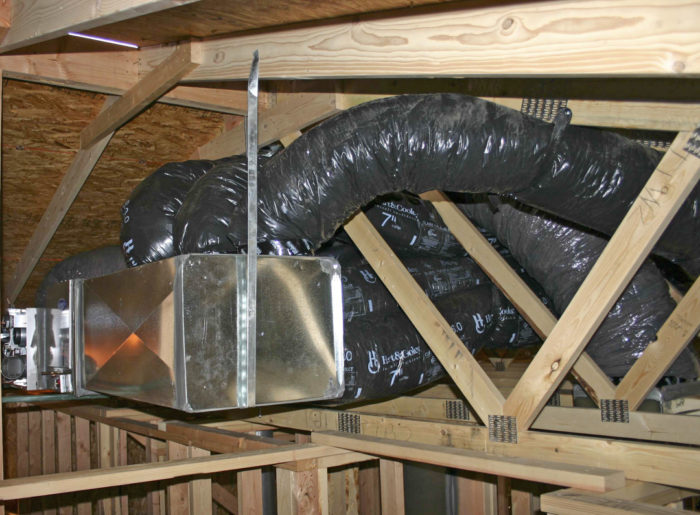
Inadequate attic ventilation allows heat and moisture to build up around ductwork, increasing condensation.
Bathrooms, kitchens, and laundry areas without proper exhaust fans contribute excess humidity that AC systems must handle.
Improperly sized AC systems may short-cycle, reducing effective moisture removal and increasing condensation risk.
Each of these issues can contribute to persistent AC-related moisture damage.
Early Warning Signs of Poor Ventilation and AC Moisture
Water stains on ceilings or walls near air handlers or vents are common early signs.
Musty or damp odors that worsen when the AC runs often indicate trapped moisture.
Excessive condensation on supply vents or duct surfaces suggests airflow or ventilation problems.
Homeowners may notice rooms that feel clammy or slow to dry after showers or cooking.
Addressing these signs early helps prevent widespread damage.
Hidden Damage Caused by Ventilation Issues
AC moisture problems often develop out of sight. Condensation inside duct insulation can drip intermittently, damaging drywall and framing.
Air handlers in enclosed spaces may leak into floors or ceilings below without immediate detection.
Moisture trapped in wall cavities can remain active long after visible leaks are addressed.
Because ventilation issues persist, damage may continue even after surface repairs.
Why Temporary Fixes Are Not Enough
Wiping condensation or clearing visible drain clogs treats symptoms, not causes.
If ventilation remains inadequate, moisture will continue forming on cold surfaces.
Surface repairs without correcting airflow and ventilation lead to recurring stains, odors, and material damage.
Lasting solutions require addressing how air moves through the home, not just where water appears.
How Professional AC Moisture Repair Addresses Ventilation Problems
Effective repair begins with a detailed inspection of airflow, ventilation, and moisture patterns.
Technicians evaluate return air pathways, duct insulation, attic ventilation, and air handler placement.
Moisture detection tools help identify where condensation is forming and how far it has spread.
Repairs may include improving ventilation, sealing duct leaks, upgrading insulation, or correcting AC drainage issues.
Pompano Mold Inspection and Testing addresses AC moisture problems in Fort Lauderdale homes by focusing on ventilation-related causes as part of comprehensive moisture control services.
Ventilation Improvements That Reduce AC Moisture
Improving attic ventilation helps reduce heat and moisture buildup around ductwork.
Ensuring proper return air flow allows AC systems to operate efficiently and reduces condensation.
Installing or upgrading exhaust fans in moisture-producing areas helps remove humid air before it spreads.
Balancing airflow throughout the home supports consistent humidity control.
These improvements reduce the workload on AC systems and limit moisture formation.
The Role of HVAC Maintenance in Moisture Prevention
Regular AC maintenance helps identify ventilation and airflow issues early.
Cleaning drain lines, inspecting insulation, and checking airflow prevent condensation from becoming a larger problem.
Maintenance is especially important in Fort Lauderdale, where AC systems run for long periods.
Consistent care reduces the likelihood of sudden leaks and long-term moisture damage.
AC Moisture, Ventilation, and Mold Risk
Poor ventilation combined with AC moisture creates ideal conditions for mold growth.
Damp insulation, drywall, and dust inside ducts support mold development.
Once mold begins growing, spores can spread through the HVAC system and affect indoor conditions.
Preventing mold starts with controlling ventilation and moisture together.
Practical Prevention Tips for Homeowners
Ensure bathrooms, kitchens, and laundry areas have functioning exhaust fans.
Avoid blocking return vents or restricting airflow with furniture or renovations.
Schedule regular AC inspections to check drainage, insulation, and airflow.
After storms or long periods of AC use, inspect ceilings and vents for early moisture signs.
Consider a professional ventilation assessment if humidity issues persist.
Why Local Experience Matters in Fort Lauderdale
Ventilation and moisture behavior vary by location. Fort Lauderdale homes face specific challenges related to humidity, coastal weather, and construction styles.
Local professionals understand how poor ventilation affects AC systems in South Florida homes and which solutions work best.
Pompano Mold Inspection and Testing brings this local experience to Fort Lauderdale, Lauderdale-by-the-Sea, Pompano Beach, Lighthouse Point, and surrounding Broward County communities.
A Practical Next Step for Homeowners
If you are noticing recurring AC moisture issues, addressing ventilation is key to preventing future damage. Professional inspection and targeted repairs provide clarity and long-term protection.
Taking a proactive approach to AC moisture repair and ventilation improvement helps Fort Lauderdale homeowners protect their homes, improve comfort, and reduce ongoing repair risks.
